



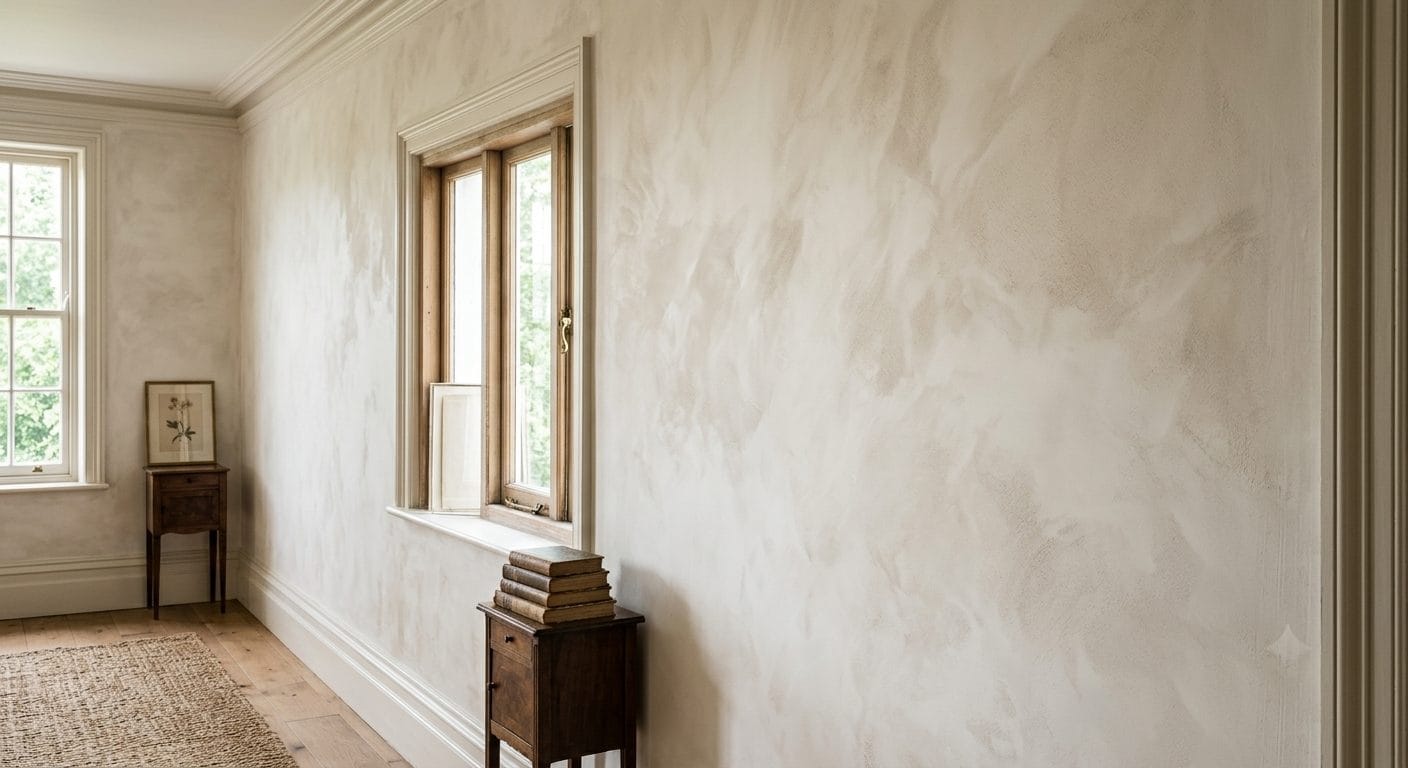
TL;DR: Limewash is a mineral paint made from slaked lime that soaks into a surface instead of forming a plastic film on top, drying to a soft, matte, cloudy finish with real depth and movement. It's the look behind 2026's most-wanted walls — and it's genuinely well-suited to New England's older homes, because it's breathable (it lets old plaster and masonry release moisture), naturally mold-resistant, and low-VOC. It works best on porous surfaces like plaster, brick, and stone; over drywall or painted walls a pro uses a mineral bonding primer or a modern lime-paint system. Plan on roughly $800–$2,500 to limewash a room in MetroWest Boston.
Want to see whether limewash suits your walls? Call or text Dave for a free, no-pressure consult and estimate — (774) 217-9567. We'll check your surfaces and show you what the finish can do in your light.
Every few years a wall finish comes along that looks brand new and turns out to be ancient. Limewash is exactly that. People have been coating walls with lime for thousands of years — and in 2026 it's the finish designers can't stop using for its soft, chalky, lived-in depth. What most homeowners don't realize is that limewash isn't just a trend to chase; for the plaster-walled, masonry-heavy older homes all over MetroWest Boston, it's arguably the most appropriate finish there is. After fifteen years in this area's homes, here's our honest take.
What is limewash (and lime paint)?
Limewash is paint made from slaked lime — calcium hydroxide — thinned with water and, when you want color, tinted with natural mineral pigments. Unlike modern latex, which dries into a continuous plastic-like film sitting on top of the wall, limewash soaks into a porous surface and cures into a matte, mineral finish that's part of the wall rather than a coating over it.
That single difference is the source of everything people love and everything to plan around: the soft cloudy look, the breathability, the natural composition — and the fact that it behaves nothing like a can of wall paint. ("Lime paint" is a related, often slightly more refined product in the same mineral family; the principles below apply to both.)
What does limewash actually look like?
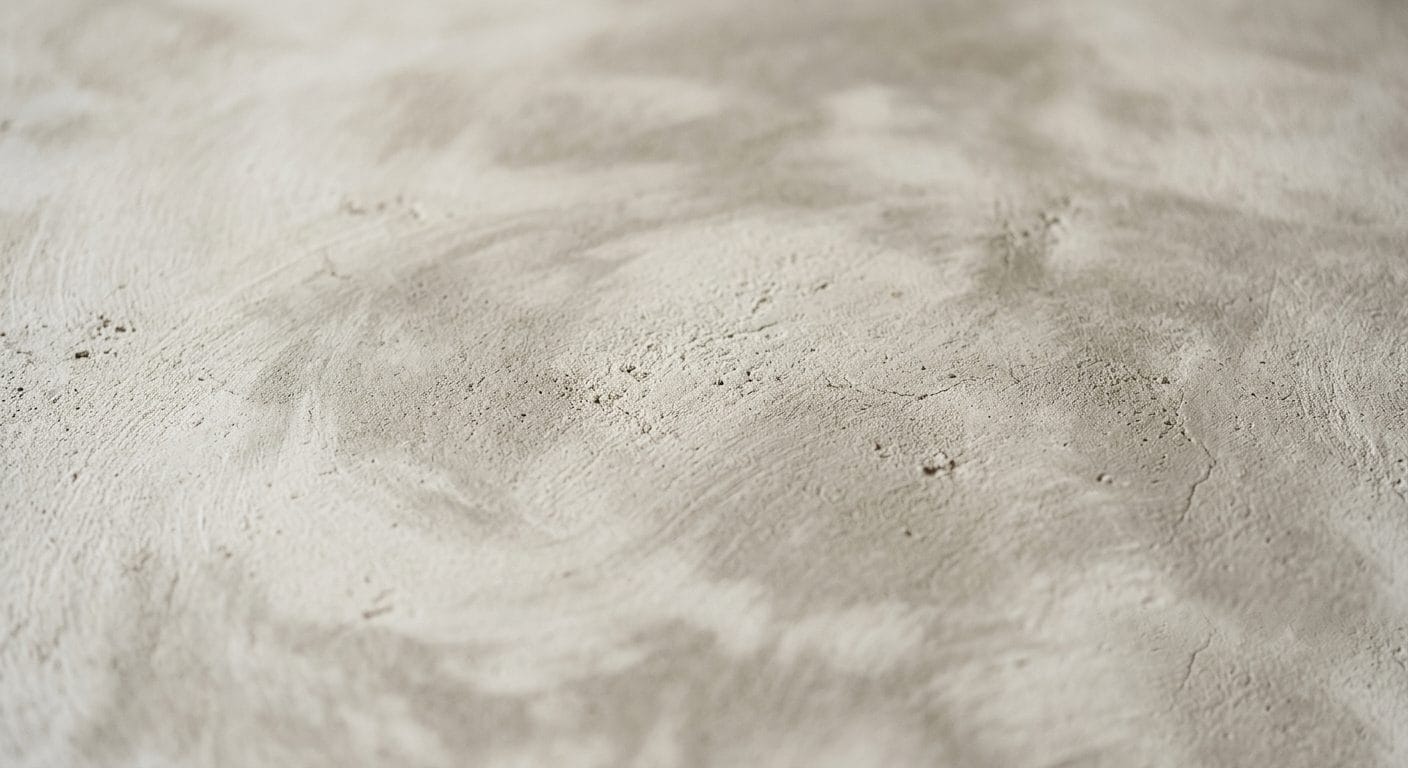
Where flat latex is uniform and slightly flat-looking, limewash has movement. It dries with a gentle, cloud-like mottling — subtle shifts of light and shadow across the wall that give it a soft, weathered, old-world depth, like aged Belgian or Italian plaster. It's deeply matte and a little chalky, and it changes character with the light through the day. Tinted in muted, earthy mineral tones — warm whites, soft greiges, sage, clay, dusty blue — it reads calm and timeless rather than flat. It's the antithesis of a builder-grade eggshell wall, and it pairs beautifully with the all-over color-drenched look that's also having a moment.
Where does limewash work best?
Limewash's natural home is porous, mineral surfaces:
- Raw or bare plaster — the classic substrate, and exactly what many antique New England homes have under the wallpaper.
- Brick, stone, and masonry — including fireplaces, where its breathability and mottled texture shine.
- Existing drywall and painted walls — possible, but only with the right prep: a compatible mineral bonding primer first, or a modern lime-paint product engineered to grip those surfaces. Traditional limewash won't soak into a sealed latex wall on its own, so this step isn't optional.
This is the part DIY guides gloss over and where a pro matters: matching the right limewash system to your actual walls. Get it wrong and the finish powders off; get it right and it lasts for years. As always, the prep is most of the job.
Is limewash a good fit for older New England homes?
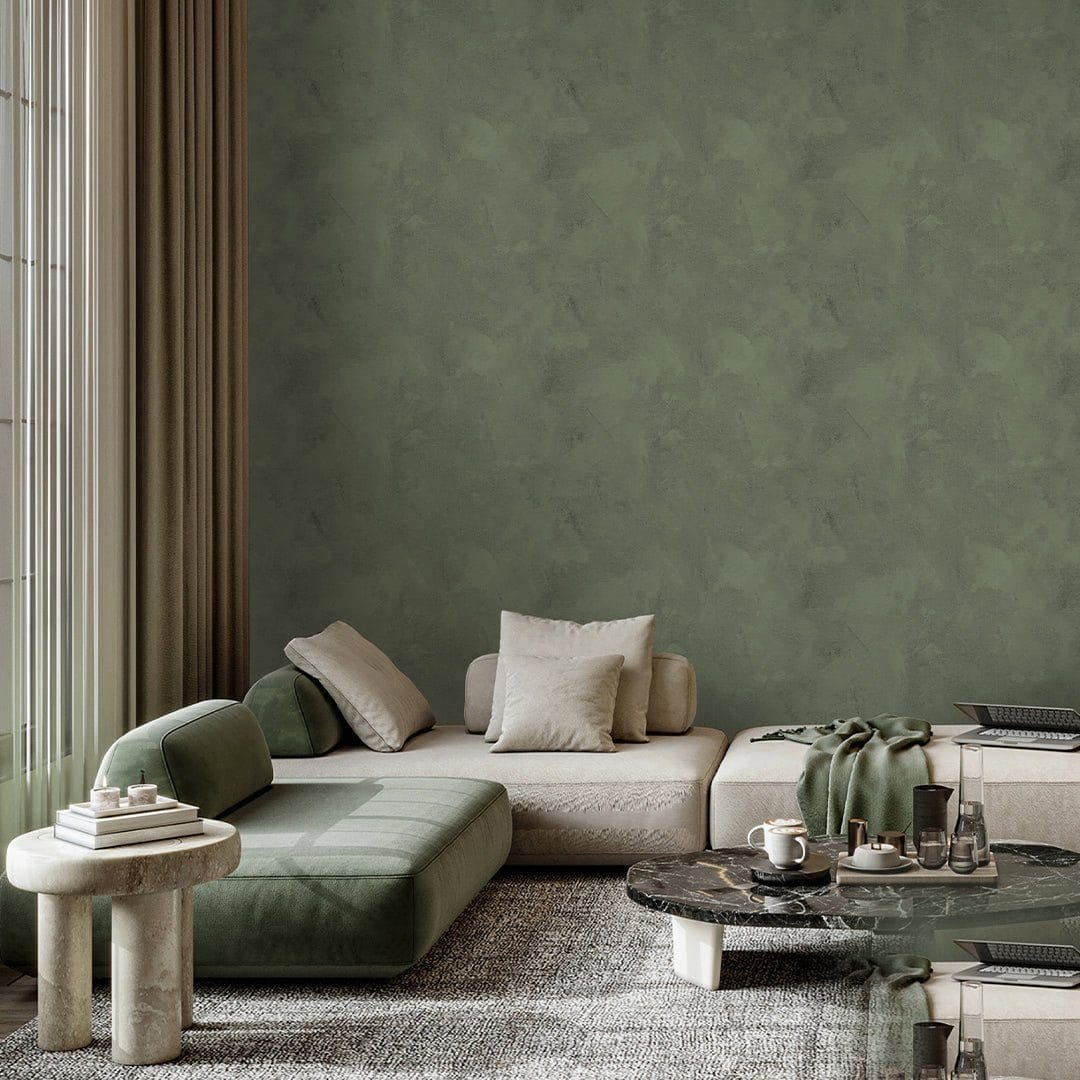
Better than almost any modern finish. Three reasons it belongs in our region's older housing stock:
- It breathes. Antique plaster and masonry walls need to let moisture pass through them. A sealing latex film can trap that moisture and lead to blistering and damp; limewash is vapor-permeable, so the wall can dry out naturally. It's the chemically compatible partner for lime plaster.
- It resists mold and mildew. Fresh limewash is highly alkaline, which naturally discourages mold growth — a real plus in older homes and damp-prone spots.
- It's natural and low-VOC. Lime and water and mineral pigment, with very little off-gassing — in line with the EPA's guidance on healthier indoor air, and a nice fit for bedrooms and homes with sensitivities.
For a home that's stood for a century, a finish that works with the original materials instead of fighting them is worth a lot.
What are the downsides of limewash?
It's not for every wall, and we'd rather you know that up front:
- It can rub off in high-touch or wet areas if left unsealed. Traditional limewash is chalky; for hallways, kids' rooms, or bathrooms a compatible mineral sealer (or a modern lime paint) solves it.
- Surface limits. It needs porosity or the right primer system — it won't simply roll over glossy or heavily painted walls.
- Muted color range. Limewash lives in soft, earthy, mineral tones; it won't deliver a bold, saturated jewel color the way latex can. (For that, see classic New England Colonial colors in standard paint.)
- It's a hand skill. The beautiful mottling comes from brush technique and layering, not from a roller — which is why results vary so much between a careful pro and a first-timer.
How is limewash applied?
The process is what creates the depth:
- Confirm the surface and, over drywall or painted walls, apply a compatible mineral bonding primer.
- Mix and tint the lime to the right consistency, adding natural pigment for color.
- Brush on the first coat in loose, crisscrossing strokes with a large block brush, letting it soak in rather than building a film.
- Let it dry and develop — limewash lightens as it cures and the mottled character emerges.
- Apply a second coat, working the brush in varied directions to deepen the color and movement.
- Seal where needed in high-touch or damp areas.
It's slower and more hands-on than rolling latex, and that craft is exactly what you're paying for.
How much does limewash cost in MetroWest?
Limewash pricing tracks close to quality standard painting, sometimes a bit above because of the hand application and any bonding primer. Realistic MetroWest ranges:
- A single limewashed room generally runs $800–$2,500, depending on size, surface, and prep.
- A fireplace is often $400–$1,200, in line with a standard fireplace paint job.
- Drywall or previously painted walls add the cost of a mineral bonding primer.
- An accent wall is the easiest, lowest-cost way to try the look before committing a whole room.
For where a limewash project fits into a larger plan, see our complete guide to house painting in MetroWest Boston, and our guide to choosing the right finish for how its deep matte compares to conventional sheens.
The bottom line
Limewash is that rare finish that's both of-the-moment and genuinely right for the homes it's going into. Its soft, mottled, old-world depth is what designers are chasing in 2026 — and its breathability, mold resistance, and natural composition make it a smart, respectful choice for New England's antique plaster and masonry. The catch is that it rewards the right surface prep and a practiced hand, which is precisely where a careful pro earns the difference. If you've got an old plaster wall or a tired brick fireplace and you want something with soul, this is the finish to look at. Sound and repair the plaster first with our guide to plaster wall repair before painting. If the woodwork should stay period-matte instead of a limewashed wall, milk paint for Massachusetts historic homes is the closer cousin.
Paint Pro New England applies limewash and lime-paint finishes — along with trim, cabinets, staircases, fireplaces, and full interiors — across Holliston, Medway, Hopkinton, Sherborn, Dover, Wellesley, and the rest of MetroWest Boston. 15 years in business, EPA Lead-Safe certified, fully insured, 2-year warranty, 5.0 stars across 60+ reviews. For a free consult and itemized estimate, call (774) 217-9567.
Dave Griffiths
Dave Griffiths is the owner of Paint Pro New England, a professional painting company serving MetroWest Boston since 2011. With 15+ years of interior and exterior painting experience across the region, he leads every project with thorough prep, premium Benjamin Moore and Sherwin-Williams paints, and a 2-year warranty.

