



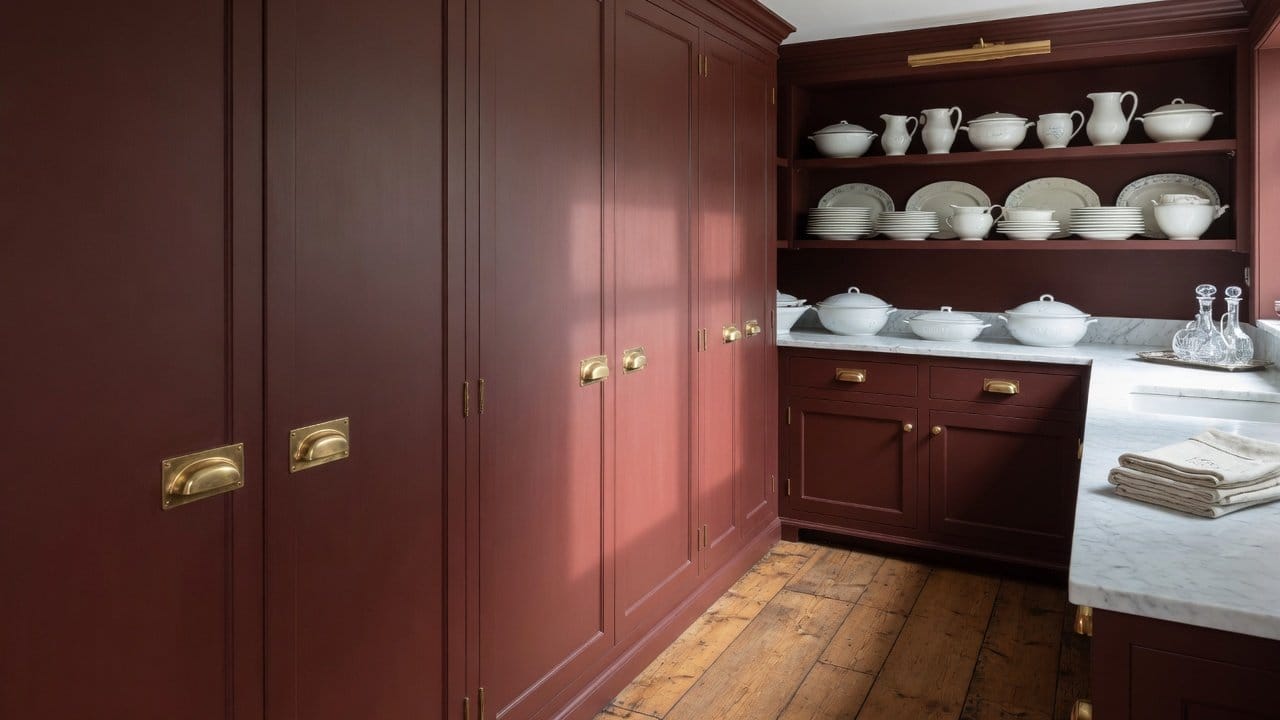
TL;DR: Milk paint is a casein, lime, and pigment finish mixed with water. On raw wood, brick, or clean plaster it bonds chemically and This Old House notes a well-chosen milk-paint film can last 50 years or more on those surfaces. Over modern latex it will chip unless you add a bonding agent. It is not chalk paint, it is not latex, and in a Wellesley or Holliston historic interior it is often the finish that reads correct without sealing the wall in plastic. Mix only what you will use in a few hours.
Trying to match a period room? Call or text Dave at (774) 217-9567. We will tell you if milk paint belongs on that wall, or if limewash or a standard interior system is the better call.
A Dover homeowner once handed me a chip from a 19th-century pantry door and asked for "that exact dusty red, but in something that will not peel off the original pine." That is milk paint territory. The finish predates the can of latex at the store. Used in the right place, it looks like the house, not like a product.
What is milk paint, and how is it different from latex?
Traditional milk paint is limestone or lime, clay, natural pigment, and the milk protein casein. You buy it as a powder and mix it with water. As it dries, the casein bonds to a porous surface instead of forming a flexible plastic film the way latex does.
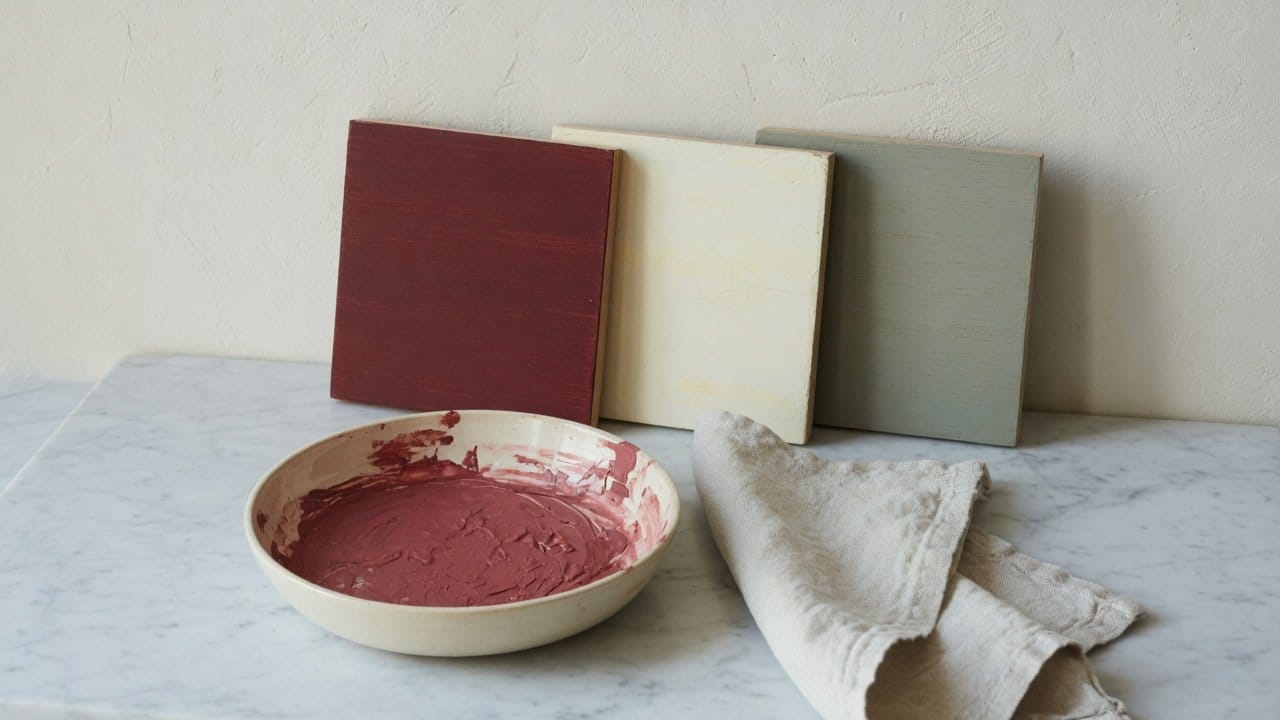
Three things that matter on a real MetroWest job:
- It is breathable. Older plaster and masonry in Holliston, Medway and Sherborn want to release moisture. A thick acrylic film can trap it. Milk paint and limewash do not.
- It is matte. The look is dry, mineral, and slightly variegated. If you want a hard, washable satin kitchen, this is the wrong product.
- It wants a thirsty surface. Bare wood, clean plaster, brick. On sealed latex, you either add a commercial bonding agent or you accept a chippy, distressed look on purpose.
Chalk paint is a different modern product with a built-in binder meant to sit on top of existing finishes. People confuse the two because both are matte. They are not interchangeable, and we will not sell you one as the other.
Where does milk paint belong in a Massachusetts historic home?
Interior woodwork, built-ins, and plaster in rooms that are not soaked daily. Think a Wellesley center-hall parlor, a Hopkinton farmhouse pantry, a Medfield keeping room, or stair trim in a Dover house that should not look sprayed in 2026.
It is a poor match for a steamy Natick kids' bath or a high-wipe kitchen island unless you change the system. For wet rooms we point people at sealed specialty finishes instead, including the comparison in limewash vs Venetian plaster vs microcement.
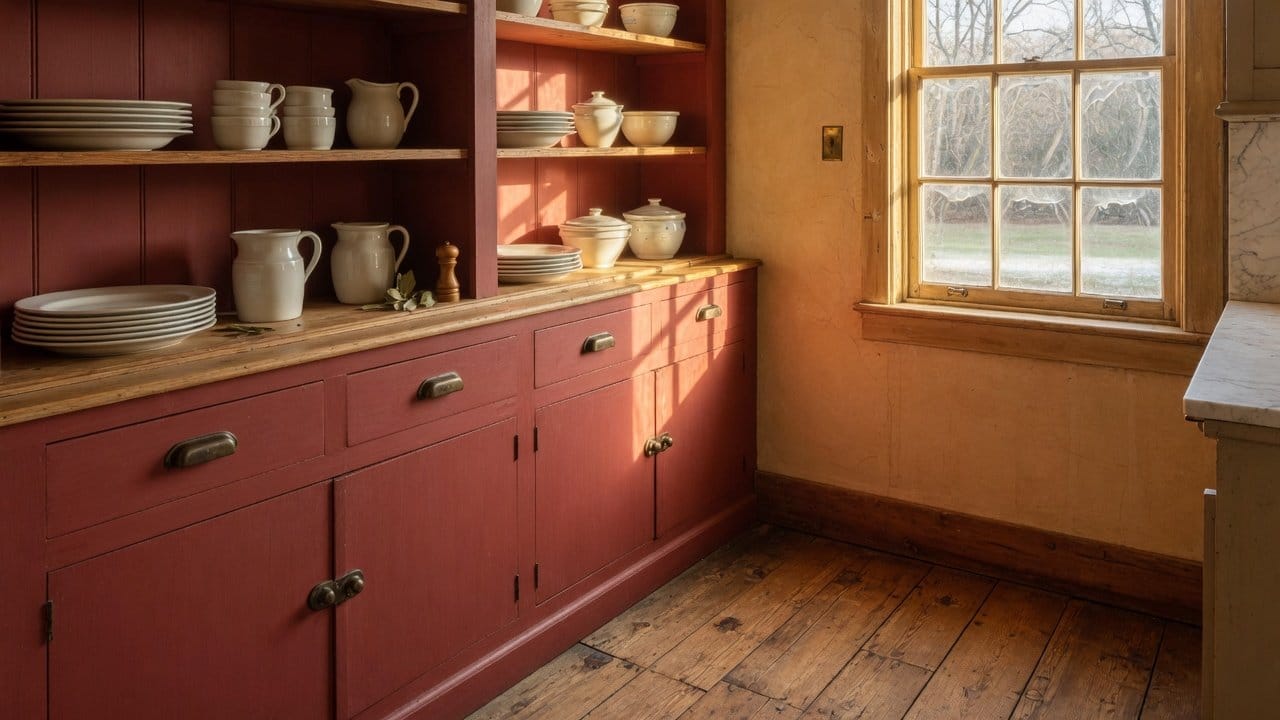
If the house sits in a local historic district, color and sheen can be regulated. Milk paint's flat, mineral look is often closer to what a commission expects than a modern enamel. Walk that process in our guide to historic district paint approval in Massachusetts before you commit a whole elevation.
Do you need a bonding agent over existing paint?
If the wall or door already has a sound latex or oil film, yes, if you want a uniform, non-distressed finish. The bonding additive is mixed into the milk paint so it can grip a sealed surface. Skip it on a glossy Needham closet door and the new coat will chip at the first bump. The same oil-vs-latex test we use on trim still applies; see painting over oil-based paint in older Massachusetts homes.
On raw wood or newly repaired plaster, you usually do not need it. That is why plaster repair and milk paint belong in the same conversation. A wall that is still hollow will move, and a brittle mineral film will crack on the same line. Fix the substrate first with the sequence in plaster wall repair before painting.
On pre-1978 painted wood, treat any sanding as a lead-safe question. See our lead paint guide for Massachusetts homeowners.
How do you apply milk paint so it lasts?
The product is simple. The discipline is not.
- Mix small. Powder plus water, rest a few minutes, remix. A batch is for the next few hours, not for next Tuesday.
- Strain it. Undissolved pigment leaves specks that look like dirt on a white Wellesley mantel.
- Two to three thin coats beat one heavy coat. It dries fast. Keep a wet edge.
- Decide on a topcoat up front. Left raw, it stays matte and more vulnerable to hand oils on a banister. A compatible sealer changes both the look and the washability.
- Sample in the room. Casein colors shift as they dry, and New England north light is cooler than a west-facing Hopkinton kitchen at 4pm.
A single room of trim is often 2 to 3 days including prep. A whole parlor, after plaster work, is more like 4 to 6 days. We do not leave mixed leftover in a sealed can the way we would with latex.
If the goal is a soft mineral wall rather than painted wood, limewash is usually the better cousin. We cover that finish in limewash and lime paint interiors in New England.
Frequently asked questions
Is milk paint the same as chalk paint?
No, milk paint is a casein and lime powder mixed with water, and chalk paint is a modern ready-made coating built to sit on existing finishes. They both dry matte, but they are different chemistry and they fail in different ways.
Will milk paint stick to walls that already have latex?
Not reliably on its own, because a sealed latex or oil film gives the casein nothing porous to bond to. Add a bonding agent if you want a uniform finish. Without it, milk paint is more likely to chip, which some people want for a distressed look and most historic interiors do not.
How long does milk paint last in a New England home?
On raw wood, masonry, or clean plaster, a well-applied milk paint can last for many decades in a dry interior. This Old House cites 50 years or more on suitable surfaces. On a busy kitchen or bath without the right sealer, you will see wear much sooner.
Is milk paint a good choice in a Massachusetts historic district?
Often yes, for interiors that should read period-correct, stay mineral-matte, and remain breathable on old New England plaster house walls. Confirm color and sheen with the local commission first. Wellesley, parts of Holliston, and other MetroWest districts can restrict what goes on a street-facing elevation.
The bottom line
Milk paint is not a trend coat. It is the historic finish that still makes sense on the right surface in the right room. Use it on thirsty wood and plaster in Holliston, Wellesley, Dover, Hopkinton, Medfield and Sherborn homes that should look like themselves. Add a bonding agent over modern paint, fix the plaster first, and keep it out of wet rooms unless the system is built for that. That is how the pantry door still looks like the chip you handed us, ten years later.
Paint Pro New England has been finishing MetroWest interiors for 15 years from Holliston, serving Medway, Hopkinton, Sherborn, Dover, Wellesley, Natick, Needham and the surrounding towns, with a 2 year warranty and 5.0 stars across 62+ reviews. For a free estimate and an honest yes or no on milk paint, call (774) 217-9567.
Dave Griffiths
Dave Griffiths is the owner of Paint Pro New England, a professional painting company serving MetroWest Boston since 2011. With 15+ years of interior and exterior painting experience across the region, he leads every project with thorough prep, premium Benjamin Moore and Sherwin-Williams paints, and a 2-year warranty.

