Framingham is a city of mid-century houses. Of its 27,918 housing units, 52.3% were built between 1950 and 1979, 72.6% before 1980 and 16.9% in 1939 or earlier, and the median year built is 1966, according to Census ACS 2020-2024 estimates and the median year built table. Only about 55% of occupied homes are owner-occupied, so close to half are rented. That is the housing painters in Framingham work on every day. Our Framingham painting guide and notes on Framingham two-families go deeper.
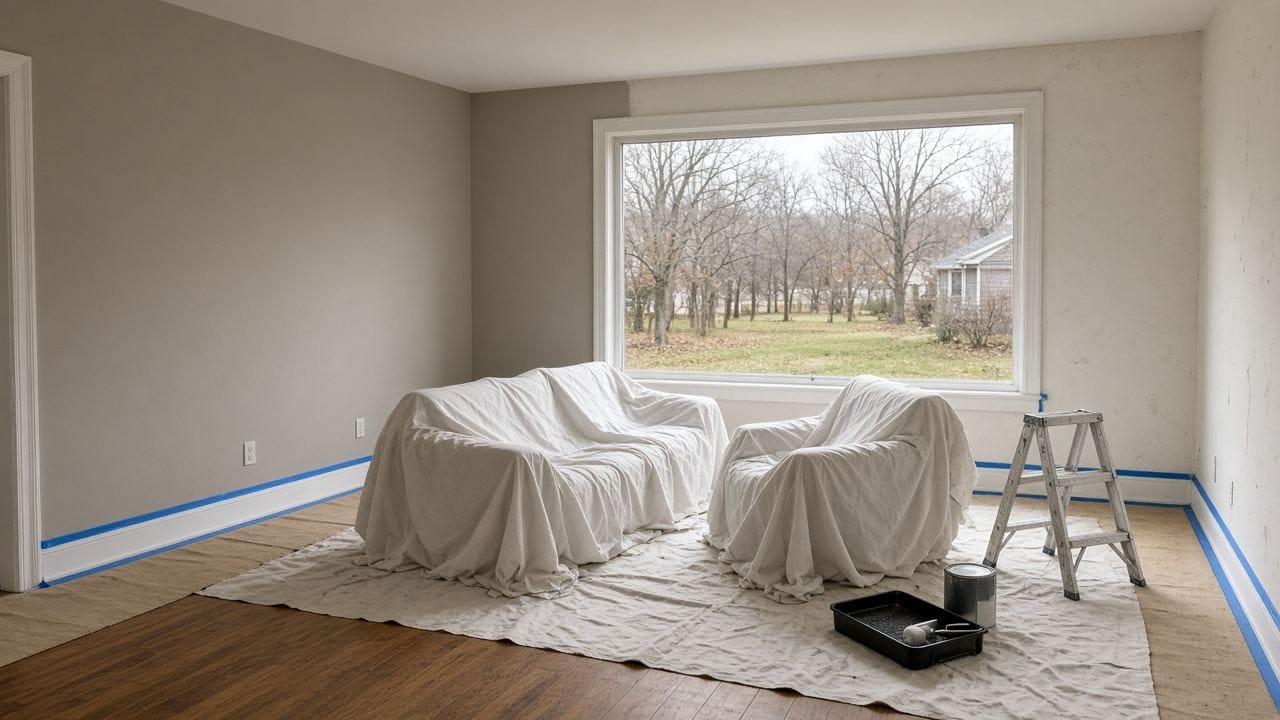
Age and renting both matter for lead. The EPA lead rule covers anyone paid to do work that disturbs painted surfaces in homes, childcare facilities and preschools built before 1978, and for owners doing their own work, EPA says the rule "does apply if you rent all or part of your home." We use lead-safe methods on every pre-1978 home: containment, HEPA vacuums, wet scraping and proper disposal. If you are turning over a rental unit, or run a business with a daycare or preschool in the building, ask painters in Framingham how they set up containment and clean up before anyone moves back in. Inside, Sherwin-Williams advises the ceiling first, then walls, then trim, so drips never land on finished work. Interior work does not depend on the weather, so the cold months are a good time to book it.
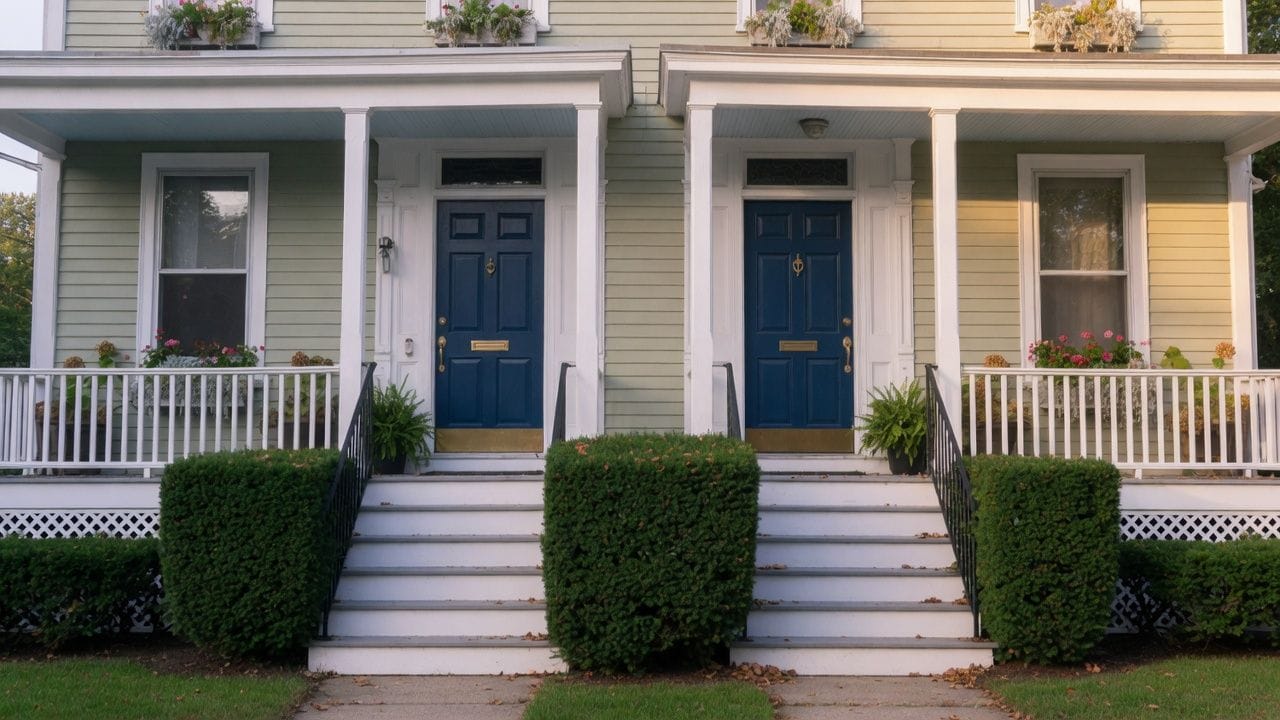
Framingham also has six local historic districts, starting with the Centre Common district created at the 1978 Annual Town Meeting. The city's Historic District Commission says it "has purview over any changes to the exterior of a designated building that is visible from a public way," and that a certificate is not necessary if the work is regular maintenance that maintains the design, materials, and finish of an element. If your house is in one of the districts, check with the Commission before painters in Framingham start work.