



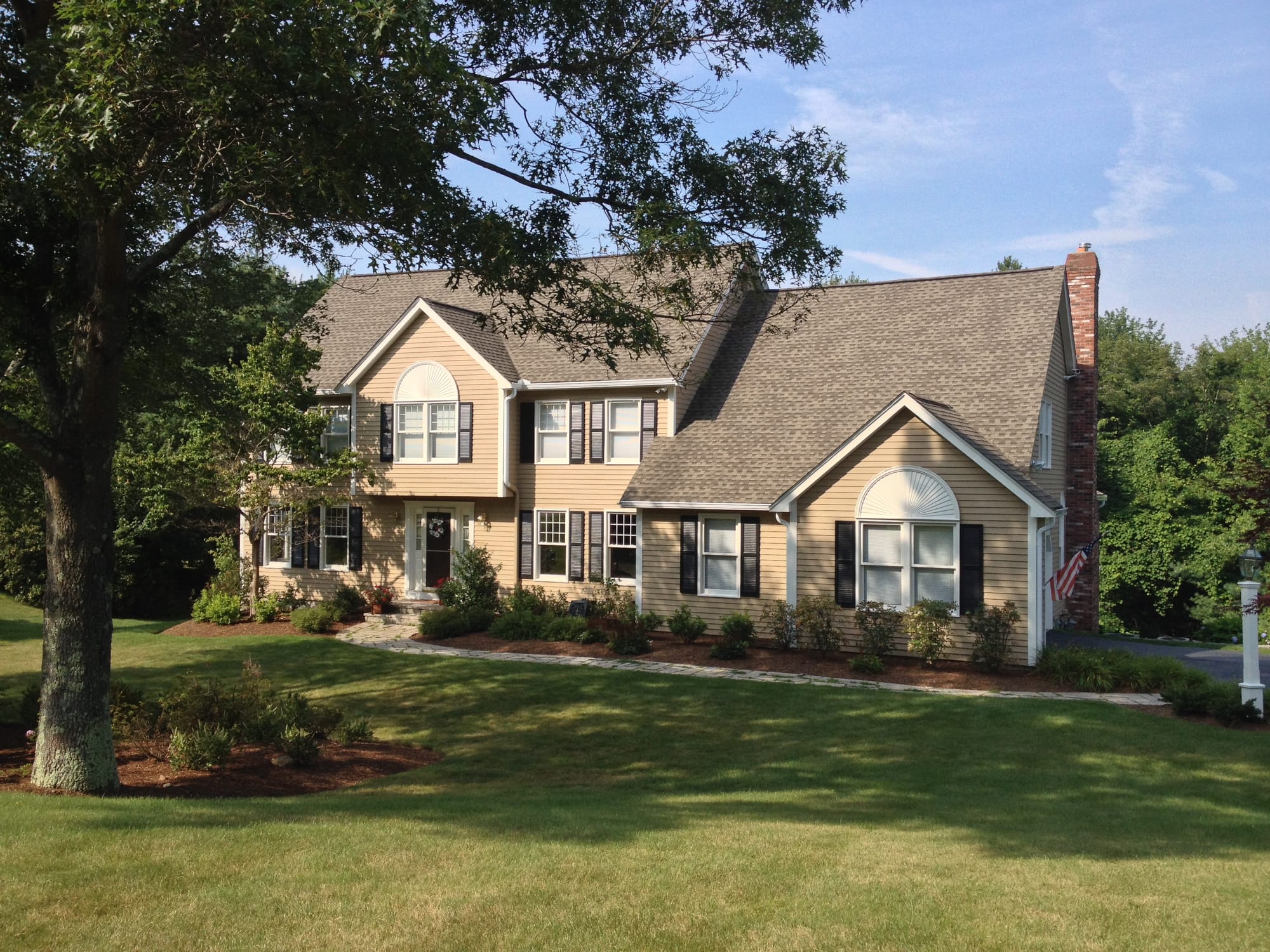
TL;DR: A great paint job is 80% preparation: cleaning, scraping, sanding, filling, caulking, and priming are what make the finish coat bond and last. Skipping prep is the biggest reason paint fails — it's the difference between a finish that lasts 7–10 years and one that fails in 2 years. Free estimate: (774) 217-9567.
There's a moment early in my career that I think about almost every day.
It was maybe my third year running Paint Pro New England. A woman in Natick called me — she was nearly in tears. She'd had her exterior painted eighteen months earlier by another contractor. Beautiful colonial, probably built in the 1920s. The job had looked great when it was finished.
Now the paint was peeling. Not just in one spot — in several places around the house. The south-facing side was the worst, but it was happening everywhere.
I went out to take a look, and I could see exactly what had happened.
The prep work had been rushed. There were spots where old, failing paint had clearly just been painted over. The caulking around windows was already cracking. In some areas, I could see they hadn't even cleaned the siding properly — the new paint had been applied right over dirt and grime.
This wasn't a paint failure. It was a preparation failure.
I gave her an estimate to fix it properly — scrape everything that was failing, do the prep work that should have been done the first time, and repaint. The number was actually higher than what she'd originally paid. She was going to end up spending twice as much for what should have been done right once.
She asked me: "How do I make sure this doesn't happen again?"
That question stuck with me. And it shaped how I decided to build Paint Pro New England.
I made a decision right then: no one who hires us will ever be in her position. Every job gets proper prep, every time, no exceptions. That's not negotiable.
The Number That Changed Everything
A few years after that Natick job, I came across a statistic from Sherwin-Williams that stopped me cold:
Up to 80% of all coating failures can be directly attributed to inadequate surface preparation.
Eighty percent.
Think about that for a second. When paint peels, bubbles, cracks, or fails — four out of five times, it's not the paint's fault. It's not the weather's fault. It's not bad luck.
It's prep.
That number validated everything I'd seen in the field — all those failed paint jobs I'd been called in to fix. And it became the foundation of how we do business at Paint Pro New England.
What "Preparation" Actually Means
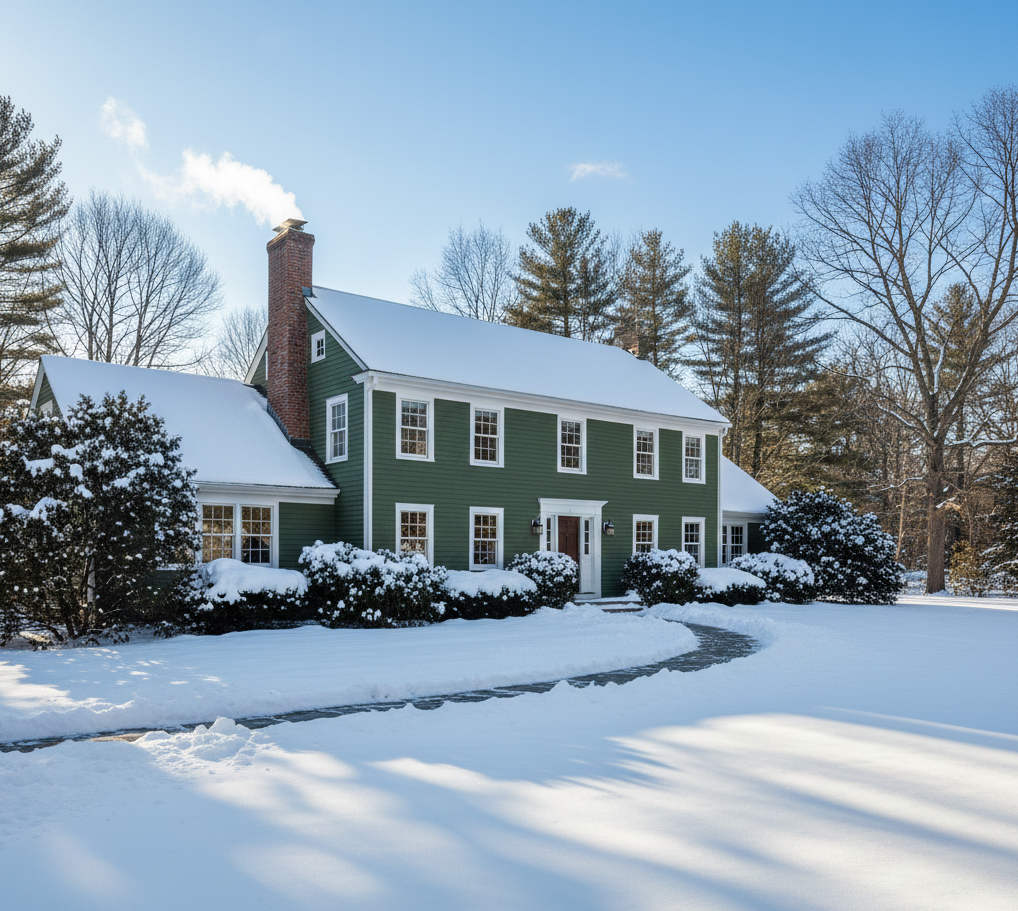
When I tell homeowners that prep is the most important part of any paint job, I sometimes get a polite nod. They're thinking about colors. They're picturing the finished result. Prep work isn't exciting.
But here's what we're actually doing when we prepare a surface:
- Cleaning. Every surface gets cleaned — power washed for exteriors, wiped down for interiors. Paint can't bond to surfaces that aren't clean. If grease, oil, dust, or even leftover cleaning products are left behind, they act as a barrier. The paint might look fine initially, but it's already set up to fail.
- Scraping and sanding. Any loose or peeling paint has to come off completely. If we paint over old, failing paint, the new paint is only as strong as what's underneath it. It's like building a house on a cracked foundation.
- Repairing. Holes get filled. Cracks get patched. Damaged wood gets addressed. We're not just painting your house — we're restoring the surface underneath.
- Caulking. Every gap around windows and doors gets sealed. This isn't just cosmetic — it prevents moisture from getting behind the paint, which is the most common cause of premature paint failure on wood.
- Priming. Bare wood, stains, and problem areas get primed before paint. Primer isn't optional — it creates the bond that holds everything together.
On some houses, prep takes longer than painting. And that's fine. That's how it should be.
The Conversation I Have With Every Customer
When I give estimates, I always spend time explaining our prep process. Some customers seem surprised — other painters just quoted a price and talked about colors.
But I want people to understand what they're paying for. Because there's a reason our work comes with a two-year warranty, and there's a reason we can offer that warranty with confidence.
I'll tell homeowners: "The difference between a paint job that fails in two years and one that looks great for ten isn't the paint — it's what happens before the paint goes on."
That's not a sales pitch. That's fifteen years of experience talking.
I've seen too many homeowners get burned by painters who quote low, skip the prep, and leave them with a beautiful finish that starts peeling within a year. Then they have to pay someone else to fix it — and the fix costs more than doing it right would have in the first place.
Seasoned painters know that meticulous preparation is what separates a finish that won't last a year from one that stays beautiful for a decade.
Why Some Painters Skip It
I'm going to be honest about something that might ruffle some feathers in my industry: a lot of painters skip prep work because it doesn't show.
Think about it. When a job is finished, the homeowner sees the paint. They see the color, the sheen, the clean lines. They don't see the hours of scraping. They don't see the sanding. They don't see the primer.
So a painter who cuts corners on prep can finish faster, charge less, and still have a job that looks good on day one. The homeowner is happy. The check clears. Everyone wins.
Until eighteen months later, when the paint starts failing.
By then, that painter is long gone. Maybe they're out of business. Maybe they're doing the same thing to someone else. Either way, the homeowner is stuck with a mess.
This is why I always tell people: ask about prep. Ask specifically what's included. Ask how long that part of the job will take. If a painter seems annoyed by those questions or waves them off, that tells you something.
What We've Built at Paint Pro
Today, our prep process is systematic. Every job, every surface, every time.
We start with inspection — walking around with the homeowner, pointing out what we see. Peeling paint here. A crack there. Water damage on this trim piece. Nothing gets glossed over.
Then we address every issue we found, in order. Our guys know: don't touch a brush until the surface is ready.
Is it more work? Yes. Does it take longer? Sometimes. Does it cost more than the guy who gives a quick quote and starts painting tomorrow?
Probably.
But here's what else is true: we can look every customer in the eye and tell them this work will last. We can offer a real warranty — not just words on paper, but a promise we actually stand behind. And we can drive through MetroWest and see houses we painted five, eight, ten years ago that still look great.
That's what preparation buys you. That's what pride in your work looks like.
The Choice Every Homeowner Faces
If you're reading this because you're thinking about painting your house, I want to leave you with something to consider.
You're going to get quotes from different painters. Those quotes are going to vary — sometimes by a lot. And it's tempting to just go with the lowest number.
But paint jobs aren't commodities. A "3-bedroom interior" from one painter is not the same as a "3-bedroom interior" from another. The difference is in what you can't see: the prep work, the materials, the attention to detail, the experience of the crew.
When I think back to that woman in Natick — standing there near tears because someone else had failed her — I remember the resolve I felt. I never want a homeowner to experience that disappointment. No one should have to watch their "new" paint job fall apart and then pay twice to get it done right.
That's why we do things the way we do.
Preparation isn't glamorous. It's not what ends up in the Instagram photos. But it's the foundation of everything we do at Paint Pro New England.
Eighty percent of paint failures come from inadequate prep. We intend to be in the other twenty percent, every single time.
Ready to talk about your project?
I'm happy to walk through exactly what prep work your home needs — and explain why each step matters. No pressure, no sales pitch. Just honest conversation about what it takes to do the job right.
Call us at (774) 217-9567 or request a free estimate.

Sign up for Paint Pro New England
Related Reading
Frequently Asked Questions
Why is prep work so important in painting?
The finish coat can only bond as well as the surface beneath it. Cleaning, scraping, sanding, caulking, and priming are what make paint adhere and last for years.
What does painting prep work include?
Washing off dirt and chalk, scraping and sanding loose paint, repairing wood, filling and caulking gaps, and priming bare or stained areas.
Can you skip prep to save money on painting?
You can, but the paint will fail early with peeling, cracking, and poor adhesion. Skipped prep is the top reason a job fails within a couple of years.
Dave Griffiths
Dave Griffiths is the owner of Paint Pro New England, a professional painting company serving MetroWest Boston since 2011. With 15+ years of interior and exterior painting experience across the region, he leads every project with thorough prep, premium Benjamin Moore and Sherwin-Williams paints, and a 2-year warranty.

