



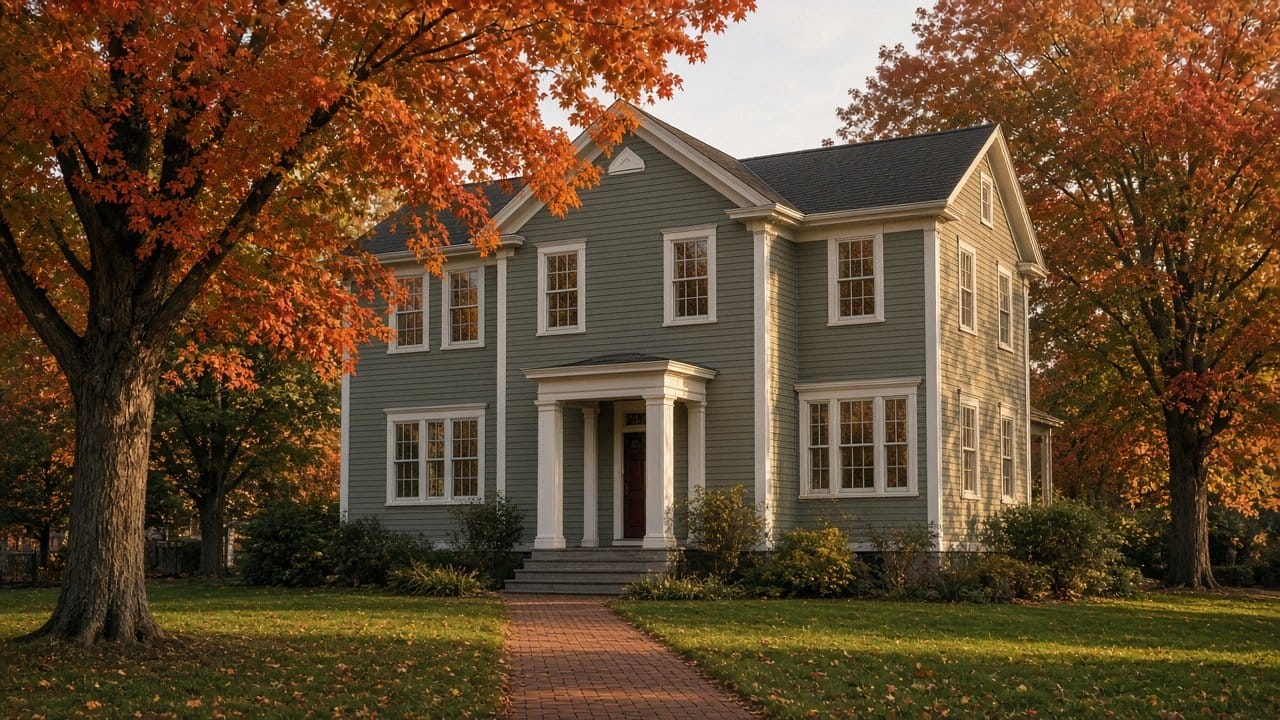
TL;DR: Wellesley has the oldest housing of the 18 towns we serve: a median year built of 1955, and 33.7 percent of homes, about 1 in 3, built in 1939 or earlier (ACS 2020-2024). Painting one means planning for old paint layers, plaster and wood windows, and lead-safe prep on anything built before 1978. If the house is in one of Wellesley's six local historic districts, paint color is exempt from review only when it is "in keeping with accepted aesthetic standards," under Zoning Bylaw Section 3.1.
Planning a repaint on an older Wellesley house? Call or text Dave at (774) 217-9567. We will walk the house with you and tell you where the prep time goes.
Wellesley's pre-war houses were built to be maintained, not replaced. Houses of that age, with original wood trim, plaster walls and wood windows, were made to be scraped, primed and repainted many times over. What changes from a newer house is not the paint. It is everything that happens before the paint.
How old is Wellesley's housing stock?
Older than anywhere else in our service area. The American Community Survey counts 9,400 housing units in Wellesley with a median year built of 1955 (plus or minus 2 years), the oldest median of the 18 towns we cover.
- 33.7 percent were built in 1939 or earlier, the highest share of the 18, about one home in three.
- 57.0 percent were built before 1960.
- 64.3 percent were built before 1970, also the highest of the 18.
- 71.6 percent were built before 1980.
The year-built table is public on Census Reporter, which mirrors the ACS 2020-2024 5-year estimates. Most of these houses are owner-occupied (84.4 percent) and single-family detached (82.4 percent), which means most repaints here are long-term owners caring for a house they intend to keep.
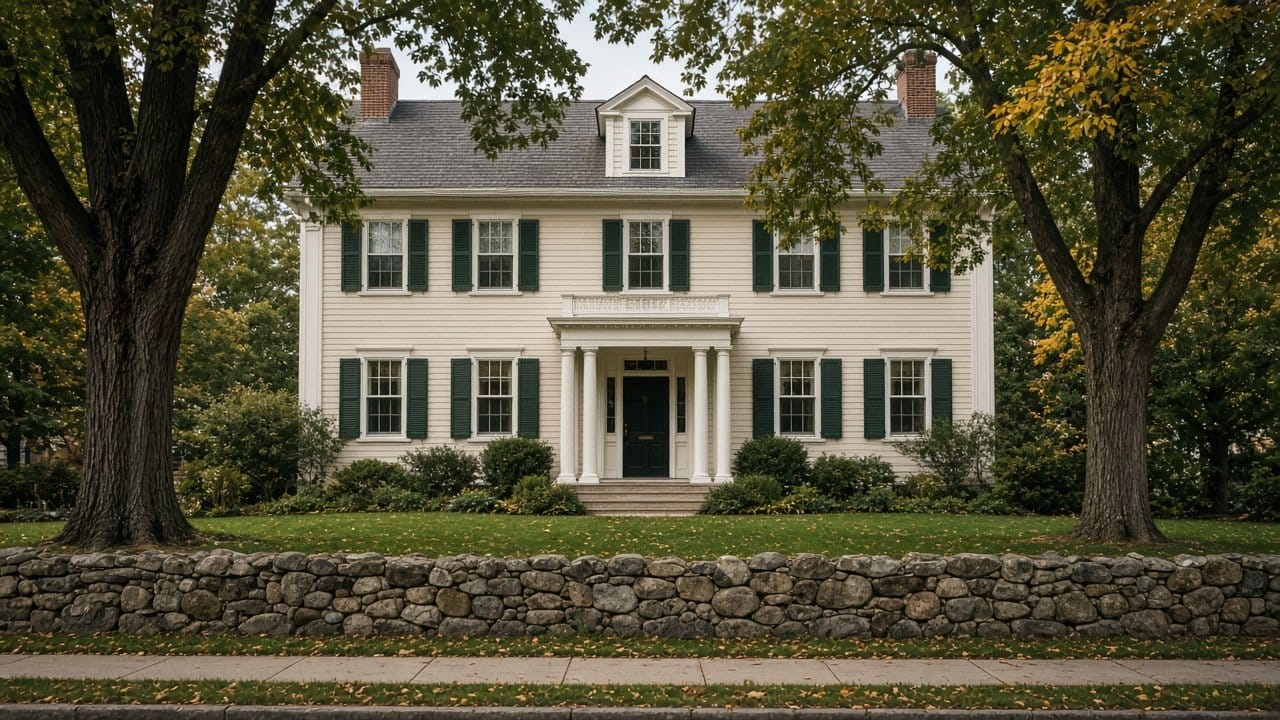
Does Wellesley's historic district review paint color?
Conditionally. Wellesley's bylaw counts a change in exterior color as an alteration, but it then exempts paint color from review as long as the color meets two tests. Most houses in town are not in a district at all, so this applies only inside the district boundaries.
Wellesley has six local historic districts: the Cottage Street Historic District (1980) and five single-building districts, the Methodist Meeting House (2011), Tufts House (2011), Sylvia Plath House (2014), Fiske House (2014) and Stanwood House (2020), according to the town's historic districts page. The Historic District Commission reviews the 65 properties in Cottage Street plus those five buildings.
The rule itself is in Zoning Bylaw Section 3.1, and the wording matters:
- Color is a reviewable feature. "Altered" includes the phrase "changed in exterior color," and exterior architectural features include "the color of paint or other materials applied to exterior surfaces."
- Only what the public sees. Features count only if they are open to view from a public street, public way, public park or public body of water.
- The color exemption has conditions. Section 3.1.G.1.d excludes "the color of paint, provided that the paint color does not cause substantial derogation from the intent and purpose of the Bylaw and is in keeping with accepted aesthetic standards."
- The Commission may adopt a color roster. Section 3.1.F allows it to set "a roster of certain colors of paint and roofing materials," while still letting an owner propose other colors.
- Same-color repainting is maintenance. Section 3.1.H protects ordinary maintenance that does not change design, material, color or outward appearance.
In plain terms: repainting in the colors you already have is maintenance. A new color will usually pass, but the bylaw leaves room for judgment on a color that clashes with the district. If you want certainty, Section 3.1.G.3 says the Commission will issue a certificate of non-applicability on request, and Section 3.1.E.9 gives it 14 days after an application is filed to determine whether the work involves features subject to its review.
This sits between the two extremes nearby. Hopkinton's Center district exempts only repainting in the existing color or white, as we explain in Hopkinton's historic district paint color rules, while many Massachusetts bylaws exempt color outright. The statewide picture is in our guide to historic district paint approval in Massachusetts.
What does a pre-war house need that a newer one does not?
Time on the surfaces before the first coat. On a Wellesley house from the 1920s or 1930s we plan for:
- Lead-safe prep. Every house built before 1978 falls under the federal Renovation, Repair and Painting rule when a paid contractor disturbs paint, per the EPA's RRP program page. On a pre-war house we assume lead is present until a test says otherwise. The law and testing options are in our Massachusetts lead paint guide.
- Old oil under new latex. Decades of repaints usually include oil-based coats on trim and doors. Latex straight over old oil is a classic peeling problem, covered in painting over oil-based paint in older homes.
- Plaster walls. Interiors in this age of house are often original plaster with hairline cracks and patches from several eras. Repair comes before paint, as we describe in plaster wall repair before painting.
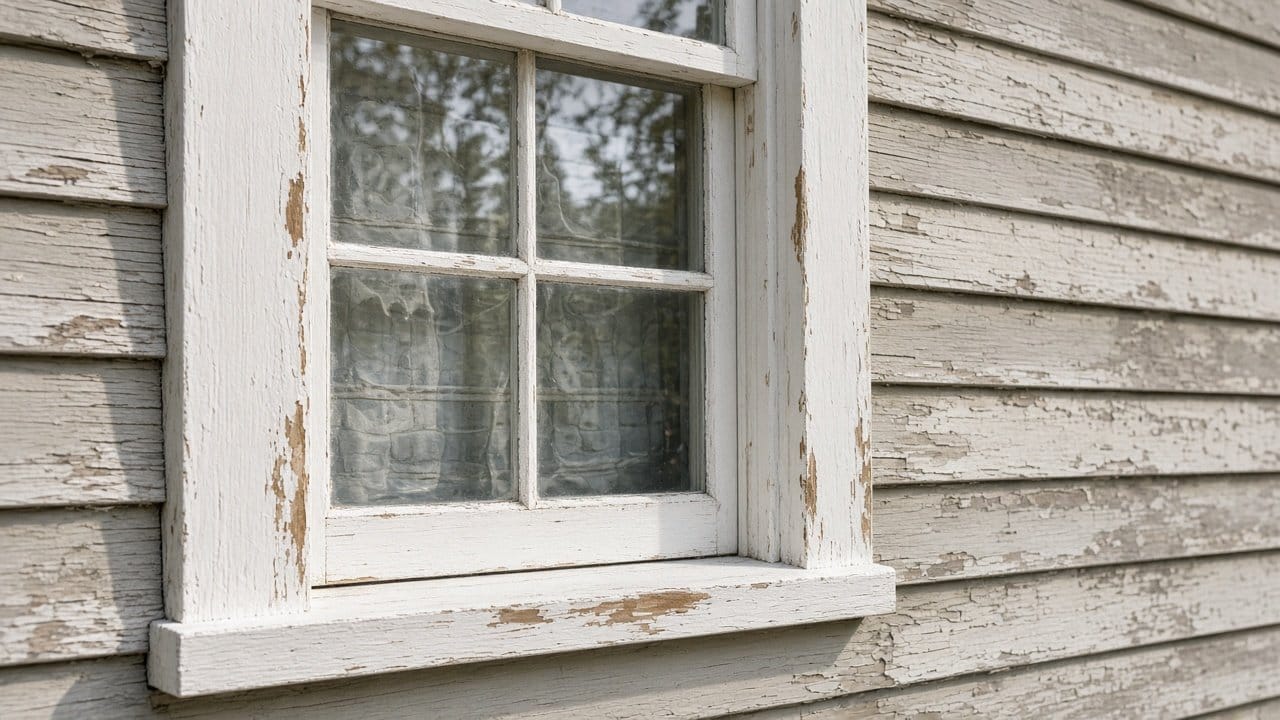
- Wood windows. Original sashes are worth keeping and need careful scraping, glazing checks and the right paint at the sash edges. See painting wood window sashes in older homes.
Is there anything else in Wellesley's bylaws that touches older homes?
One more rule is worth knowing about, though it is not about paint. Wellesley's Historical Commission runs a demolition review bylaw, adopted in 2017, for dwellings "built on or prior to December 31, 1949," according to the town's demolition review page. It is aimed at demolition, so a repaint is not the kind of project it reviews, but if your plans include removing part of an older house, check with the Commission first.
And the general point from the state: most local historic district bylaws in Massachusetts exempt paint color, because "paint color is easily reversible," as the Massachusetts Historical Commission guidebook for historic district commissions puts it. Wellesley's conditional wording is a local variation on that norm.
How do we plan a repaint on an older Wellesley home?
We start with the build year, the district map and a walk around every side of the house. That tells us whether lead-safe practices apply (almost always, here), whether a color change could touch the historic district rule, and how much of the job is prep. On many pre-war houses, prep is the larger share of the labor, which is why our estimates describe it line by line.
For color, period-appropriate choices that suit a colonial are in interior paint colors for New England colonials. For the scope of a Wellesley job, see exterior painting in Wellesley, interior painting in Wellesley and the town overview at painters in Wellesley, MA.
Frequently asked questions
Do I need approval to change my paint color in a Wellesley historic district?
Usually not, but it is conditional: Wellesley Zoning Bylaw Section 3.1.G.1.d exempts paint color only if it does not substantially derogate from the bylaw's purpose and is in keeping with accepted aesthetic standards.
How many local historic districts does Wellesley have?
Wellesley has six local historic districts: the Cottage Street Historic District, with 65 properties, and five single-building districts created between 2011 and 2020, all reviewed by the town's Historic District Commission.
How old are most homes in Wellesley, MA?
Wellesley's median home was built in 1955, the oldest median of the 18 towns we serve, and 33.7 percent of homes were built in 1939 or earlier, according to ACS 2020-2024 estimates.
Does repainting in the same color count as an alteration in Wellesley's historic districts?
No, repainting in the existing color is ordinary maintenance, which Section 3.1.H of Wellesley's zoning bylaw protects when the work does not change the design, material, color or outward appearance of an exterior feature.
Do older Wellesley homes need lead-safe painting?
Any home built before 1978 falls under the federal RRP rule when a paid contractor disturbs painted surfaces, and 71.6 percent of Wellesley homes were built before 1980, so most repaints in town involve lead-safe prep.
The bottom line
Painting a pre-war Wellesley home is a prep job first and a paint job second: lead-safe practices, attention to old oil layers, plaster repair and careful window work. Inside the six historic districts, same-color repainting is maintenance and a new color is exempt as long as it is in keeping with accepted aesthetic standards. When in doubt, ask the Commission for a certificate of non-applicability before the first coat.
Paint Pro New England has painted older homes in Wellesley, Needham, Dover, Natick and the rest of our 18 towns since 2011, with Benjamin Moore and Sherwin-Williams products, full insurance, a 2-year warranty and 5.0 stars across 62+ reviews. If you want a second opinion on an older house, call (774) 217-9567.
Dave Griffiths
Dave Griffiths is the owner of Paint Pro New England, a professional painting company serving MetroWest Boston since 2011. With 15+ years of interior and exterior painting experience across the region, he leads every project with thorough prep, premium Benjamin Moore and Sherwin-Williams paints, and a 2-year warranty.

