



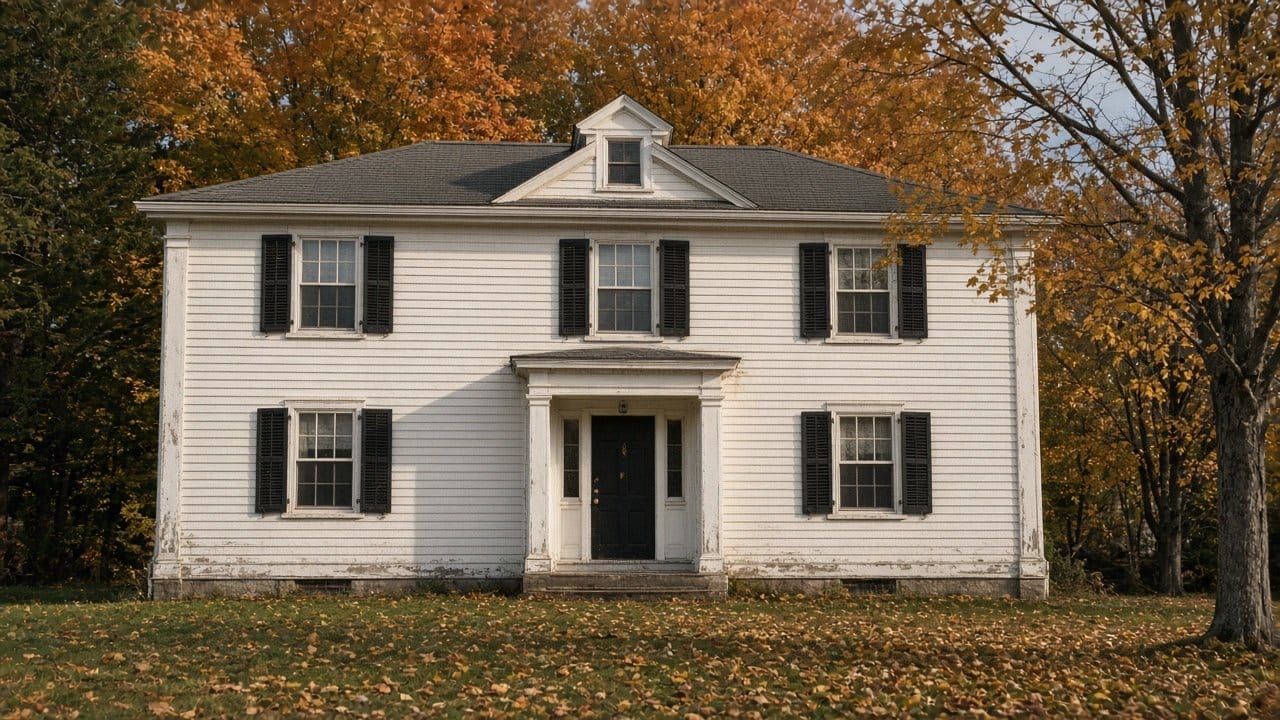
TL;DR: Repair the trim when the piece is molded, historic, or impossible to match, and the rot is confined to the surface. Replace it when the wood is flat 1x stock or the rot has gone structural. Either way the wood has to read 15 percent moisture or below before primer goes on, which is the Master Painters Institute limit for exterior wood. Any repair cavity deeper than 1/4 inch gets liquid consolidant before filler. On a pre-1978 house, disturbing more than 20 square feet of exterior paint puts the job under the EPA lead rules.
Not sure what is under the paint on your trim? Call or text Dave at (774) 217-9567. We probe it before we quote it.
Most homeowners think this is a two-way choice: fill it or tear it off. There is a third option in the middle, and on older MetroWest houses it is often the right one. This page is the decision, not a carpentry course.
Patch, consolidate, or replace?
Three real options, and the wood picks for you.
- Patch. Surface checking and shallow paint failure, wood still hard under a probe. Fill, sand, prime.
- Consolidate and fill. The wood is soft and punky but the piece is molded, original, or a profile nobody stocks. Liquid epoxy consolidant soaks into the soft fibers and hardens them, then epoxy paste rebuilds the missing volume.
- Replace. Flat, square trim. Corner boards, water tables, splashboards. Or any piece carrying load. Cut it out, put new stock in, prime all six sides.
Fine Homebuilding puts it plainly for stock trim: for a rotted piece of 1x, replacing the decayed material and fixing the detail that let the water in is usually the straightforward fix. See Fine Homebuilding on repairing exterior trim.
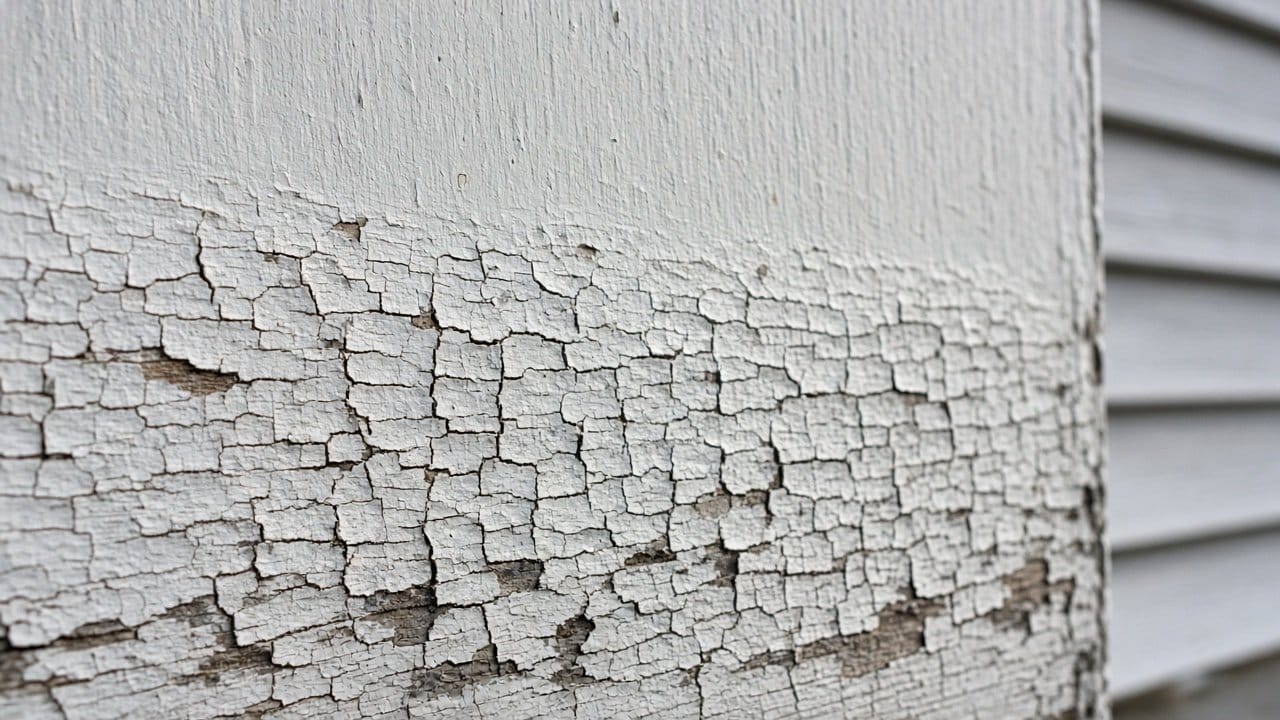
How do you tell structural rot from surface rot?
An awl. Push it into the wood at a shallow angle. Sound wood resists and splinters. Punky wood takes the point with almost no pressure and comes away in crumbs. Probe the bottom of the board, the end grain, and the joint, because that is where water sits.
The depth of that probe is the whole decision. Surface softness that stops within a quarter inch is filler work. Softness that runs deeper than a quarter inch needs consolidant first, and consolidant is the difference between a repair that holds for a couple of seasons and one that holds for decades. Softness that goes all the way through, or that you find in something holding weight, is not an epoxy job at all.
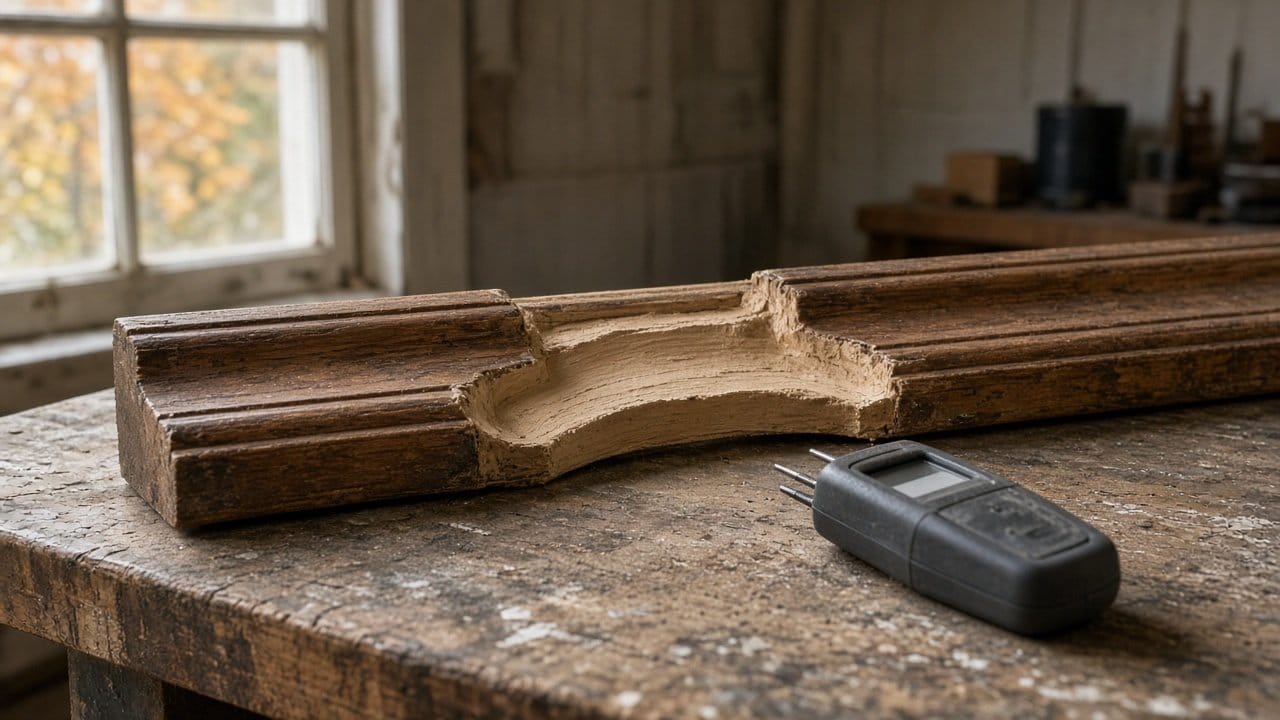
When epoxy is the right call on an older home
Epoxy earns its cost on the pieces you cannot buy. Molded casings, porch columns, sills, and the profiles on a 1920s house where a stock replacement does not exist and a custom run costs more than the rest of the elevation. This is ordinary in Holliston, Medfield, and Hopkinton, where the original millwork is old growth and more stable than what a lumberyard sells today.
The sequence matters. Consolidant first, worked into the soft fibers until they stop drinking. Then the filler paste, applied while the consolidant is still tacky, which is how the two chemically lock together. Shape it slightly proud, let it cure, sand to the profile. This Old House walks through the same two-part method in its guide to repairing rotted trim with epoxy.
One caution we follow: some epoxies break down under UV. The repair gets primed and painted like everything else. It is a substrate, not a finish.
When replacement is simply better
Flat trim is cheap to buy and quick to match. Rotted bottoms of corner boards and splashboards usually cut free cleanly and take a new piece without anyone ever seeing the joint. Trying to rebuild eight feet of flat 1x in epoxy costs more in material and labor than the board, and it looks it.
Replacement is also the honest answer when the rot is structural. Epoxy consolidates fibers. It does not restore the strength of a member that has lost its section. If a porch post or a beam end is involved, that is carpentry and sometimes an engineer, not a painter with a filler tub.
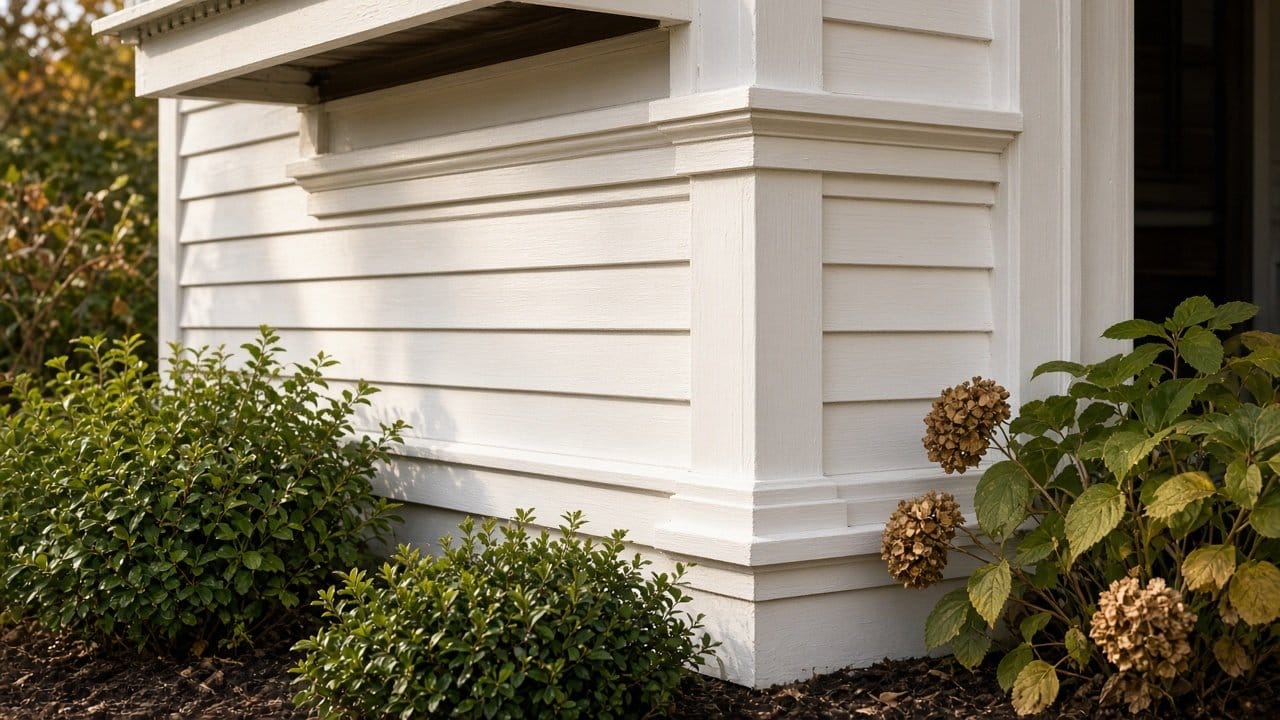
One detail worth insisting on: new trim gets primed on all six sides, including the cut ends and the back face, before it is fastened. The back of a board is where water finds it, and it is the one surface nobody can reach once the piece is up. A board primed on five sides is a board with a built-in failure point.
Species matters too. Much of the original trim on a 1920s MetroWest colonial is old-growth stock that is denser and more rot-resistant than what a yard sells today. That is one of the strongest arguments for saving an original profile when you reasonably can, and one of the reasons a like-for-like replacement in modern softwood sometimes fails faster than the piece it replaced.
The step almost everyone skips
Find the water first. Every repair we have been called back to inspect on somebody else's work failed for the same reason: the leak was still there. A kicked-out gutter, a missing drip cap, a deck ledger pushed against the trim, a downspout dumping at the foundation. Fix the detail, then fix the wood. Otherwise you have paid to repaint the same rot on a slower schedule.
The same logic applies to peeling in general, which we cover in why house paint peels and when to call a pro.
How wet is too wet to paint?
This is where good repairs get ruined. The Master Painters Institute standard is no more than 12 percent moisture content for interior wood and no more than 15 percent for exterior wood before coating. Sherwin-Williams gives the same practical ceiling at 15 percent or below. Most contractors aim lower, in the 8 to 12 percent range, because the paint film traps whatever is left and trapped moisture attacks adhesion from behind. The figures and the reasoning are laid out in this technical bulletin on moisture content for painting.
You cannot feel 15 percent. Nobody can. A pin meter costs less than a gallon of premium exterior paint and it is the only honest check. We carry one, and it is the reason we occasionally tell a customer that today is not the day, which is the same call we make on the fall exterior cutoff and dew point.
New bare wood has its own clock. Freshly exposed wood starts breaking down under UV within about a week of sun, and that surface breakdown costs you adhesion. Prime it promptly rather than leaving it open over a long weekend. Prep discipline like this is the bulk of the job, which is the point of why prep is 80 percent of a great paint job.
When should this work happen in New England?
Trim repair has a wider season than a full exterior repaint, because the areas are small and can be worked between weather windows. What does not widen is the moisture requirement. A board that took rain on Thursday is not at 15 percent on Friday morning, no matter how dry the surface looks, and October in Massachusetts gives you short drying days and long dewy nights.
Practically, that means we schedule trim repair for the middle of the day in the fall, we check the meter rather than the sky, and we are willing to prime a repair one day and topcoat it the next. Homeowners sometimes read that as slow. It is the difference between a repair that lasts and a callback in April. The same arithmetic drives exterior painting temperature requirements in Massachusetts.
If the repair runs late enough in the season that a finish coat is not realistic, primed and protected through the winter is a legitimate stopping point. Bare wood is not. A repair left unprimed over a New England winter absorbs water, freezes, and undoes itself.
What actually drives the cost
We do not quote trim repair by the foot, because two eight-foot boards can be completely different jobs. The variables that move a number are these:
- Access. Work reachable from the ground is a fraction of the same repair three stories up on a rake board.
- Profile. Flat stock is quick. A run of molded casing that has to be matched, milled, or rebuilt in epoxy is slow and skilled.
- Extent. One soft corner is a morning. Eight elevations with soft water tables is a project with its own schedule.
- Lead status. A pre-1978 house where the work crosses the square-footage thresholds carries containment and cleanup requirements that take real time.
- The water source. If the cause is a gutter or flashing detail, that correction belongs in the scope, and sometimes belongs to another trade.
We walk the elevations with a meter and an awl before we quote, and we tell you which boards are which. A quote that prices trim repair without anyone having probed the wood is a guess.
Pre-1978 homes and the lead rules
Much of the MetroWest housing stock predates 1978, so this comes up constantly. The EPA Renovation, Repair and Painting rule has a minor repair and maintenance exemption, and the boundaries are specific: 6 square feet or less of painted surface disturbed per room for interior work, or 20 square feet or less for exterior work.
Three details people get wrong:
- The 20 square feet is a total for the job, not per side of the house. EPA has answered that question directly.
- Work done in the same room within 30 days counts as one job. You cannot split a project into small pieces to stay under the line.
- Window replacement is never minor repair and maintenance, at any size.
Read EPA's own wording on how it interprets minor repair and maintenance activities and its answer on the 20 square feet per side question. The rule itself sits in 40 CFR Part 745 Subpart E. Massachusetts layers its own requirements on top, which we cover in our Massachusetts lead paint guide for homeowners.
Frequently asked questions
Can you paint over rotted wood trim?
No. Paint is a film, not a repair. Coating soft wood seals moisture in behind the film and the same section fails again, usually within a season or two.
How deep does rot have to be before you replace the trim instead of filling it?
If the probe goes deeper than about a quarter inch you need consolidant before filler. If it passes through the piece or the board carries load, replace it.
Does epoxy wood repair actually last?
Yes, when it is done as two steps and the water source is fixed. Consolidant then filler, primed and painted, is a long-term repair on non-structural trim.
How wet is too wet to paint exterior trim?
Above 15 percent moisture content. That is the Master Painters Institute ceiling for exterior wood. A pin meter is the only way to know, since the reading is invisible to touch.
Do lead rules apply if my painter is only replacing one piece of trim?
On a pre-1978 home, exterior work disturbing 20 square feet or less of paint can fall under the minor repair exemption. Window replacement never does, at any size.
The bottom line
Match the fix to the wood. Flat stock gets replaced, original profiles get consolidated, and nothing gets painted until the moisture reads right and the leak is gone. Paint Pro New England has worked on pre-1978 colonials and Capes across Holliston and the rest of our 18 towns since 2011, fully insured, with a 2-year warranty on our work. Call (774) 217-9567 and we will probe the trim before anyone writes a number down. We also cover window sashes in older homes and serve Holliston and the surrounding towns.
Dave Griffiths
Dave Griffiths is the owner of Paint Pro New England, a professional painting company serving MetroWest Boston since 2011. With 15+ years of interior and exterior painting experience across the region, he leads every project with thorough prep, premium Benjamin Moore and Sherwin-Williams paints, and a 2-year warranty.

