



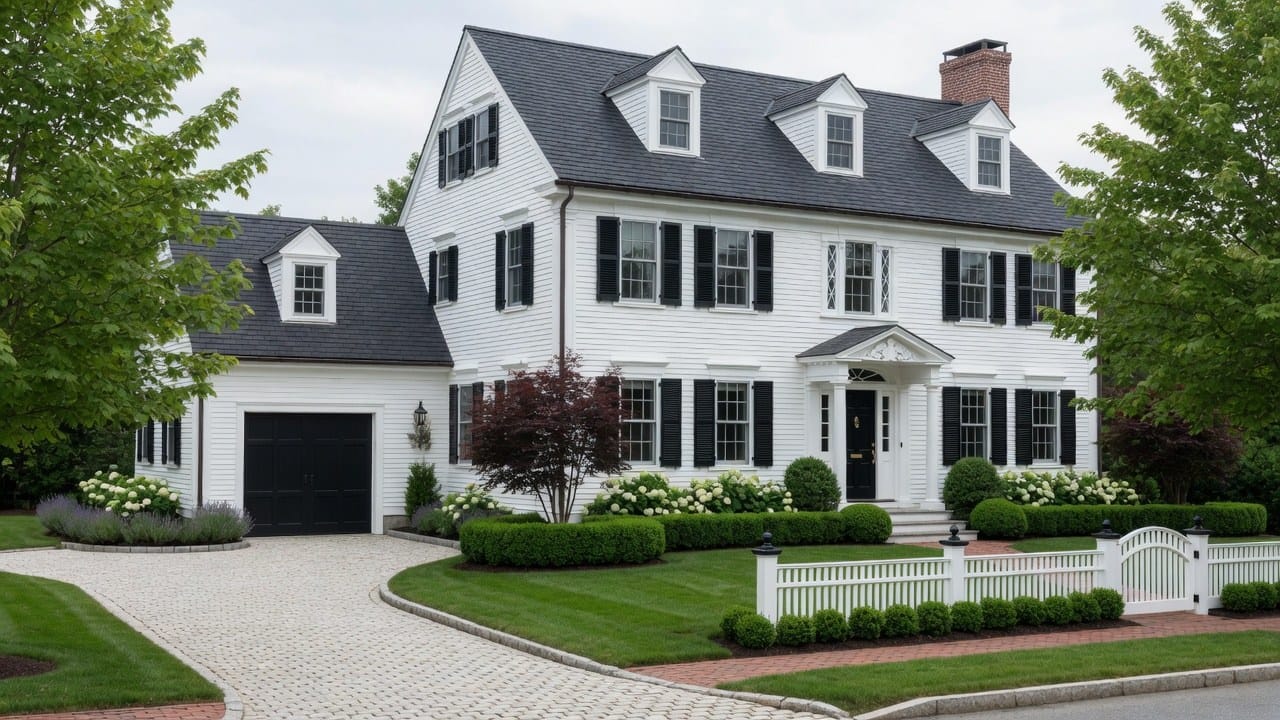
TL;DR: Cedar and wood clapboard is the most beautiful siding in New England — and the most demanding to paint. Wood moves with humidity and freeze-thaw, so the finish only lasts 3–7 years and prep is everything: scrape and sand failing paint, spot-prime bare wood with a stain-blocking primer, and fix the moisture problems (gutters, flashing) that cause peeling in the first place. On pre-1978 homes, test for lead first — it's the law. A full cedar-clapboard repaint in MetroWest typically runs $6,000–$15,000 because of the prep it demands.
Have a cedar or clapboard home that needs attention? Call or text Dave for a free assessment — (774) 217-9567. We'll tell you honestly what the prep really involves before you get a surprise.
MetroWest is full of antique homes wrapped in cedar and wood clapboard, and nothing looks more “New England.” But wood siding punishes a lazy paint job faster than anything else. After fifteen years on these older homes, here's how we make a cedar exterior last.
Why is wood siding harder to paint than other siding?
Because wood is alive to the weather. It absorbs and releases moisture, expanding and contracting through New England's humid summers and freeze-thaw winters, and every one of those cycles works against the paint film. That movement — plus any water getting behind the boards — is why wood finishes last a fraction as long as fiber cement and fail dramatically when they go. It's also why prep, not paint, decides the outcome, exactly as we describe in why prep work is 80% of a great paint job.
Do you need to test for lead on an old cedar home?
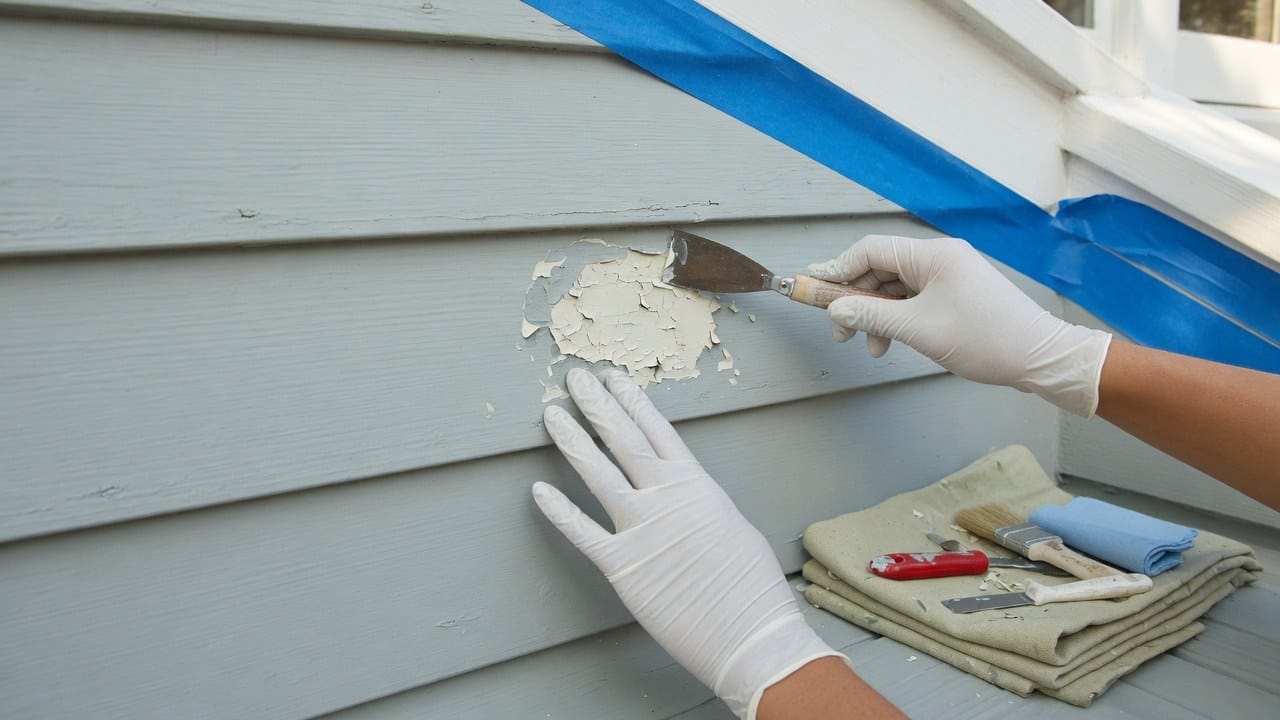
Yes — and it's not optional. Most of MetroWest's cedar and clapboard homes predate 1978, when lead paint was still in use, and disturbing that paint by scraping or sanding without testing releases lead dust. Federal and Massachusetts rules require lead-safe practices for paint-disturbing work on pre-1978 homes, so we test first and contain the work properly. The full picture is in our Massachusetts lead paint homeowner's guide, and if your home sits in a regulated district, see historic district paint approval too.
How do you prep and paint cedar clapboard the right way?
This is a patient, multi-step job — the finish is only as good as what's underneath:
- Wash and let it dry fully. Gentle cleaning (soft-wash, not a hard pressure blast that forces water into the wood), then real dry time.
- Scrape and sand all loose, peeling, and failing paint back to a sound edge — after confirming it's lead-safe to do so.
- Spot-prime every bare spot with a quality stain-blocking primer; cedar's natural tannins will bleed through an unprimed finish.
- Repair and caulk — replace rotted boards, set popped nails, and seal gaps so water stays out.
- Two finish coats of a quality 100% acrylic exterior (or a solid-body stain if you want longer life and better breathability).
Just as important is fixing why the last finish failed — clogged gutters, bad flashing, or grading that keeps a wall wet. And timing matters: cedar has to be painted in the right temperature and humidity window, which we cover in how long exterior paint lasts in New England.
How long will paint last on cedar siding?
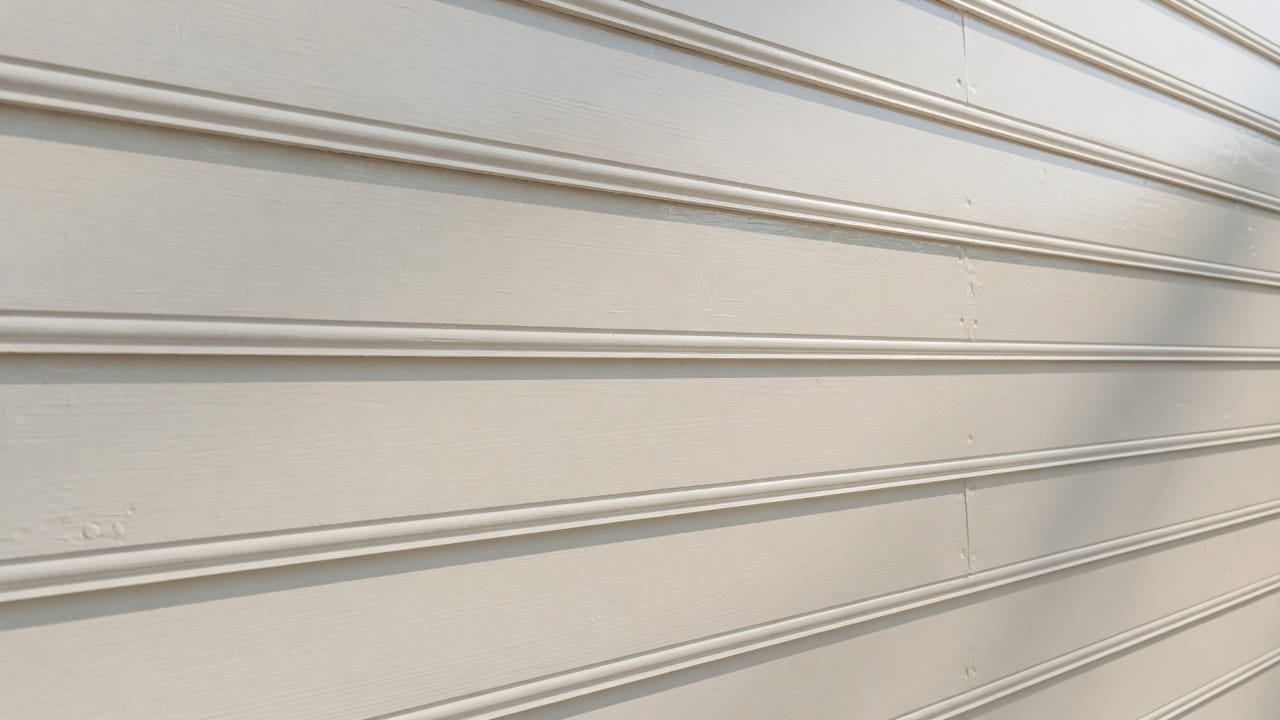
Realistically, 3–7 years for paint, depending on exposure and how well moisture is managed. A solid-body stain often stretches to 7–8 years and weathers more gracefully because it breathes. Which is right for your home is a genuine trade-off we walk through in paint vs. stain for cedar siding, and the repaint cadence for every material is in how often to repaint your siding by material.
How much does it cost to paint cedar siding in MetroWest?
Because of the prep, a full cedar or wood-clapboard repaint typically runs $6,000–$15,000 in MetroWest depending on home size, condition, lead-safe requirements, and wood repair. It costs more than fiber cement or vinyl for one reason: the prep is real work, and it's the only thing that makes the finish last. Full pricing context is in our Massachusetts house painting cost guide.
The bottom line
Cedar clapboard rewards patience. Test for lead on older homes, scrape and prime properly, fix the moisture sources, and choose paint or solid stain with eyes open about the 3–8 year cycle. Cut corners and it peels in a season; do it right and your antique New England home looks the part for years. That patient, prep-first approach is exactly what we bring to these houses.
On older cedar, we also look at end grain, butt joints, and areas under eaves that stay damp. Those are the first places paint fails. Spot repairs and selective board replacement before coating are not upselling — they are how a multi-year result holds instead of a peel-off in two seasons.
Paint Pro New England specializes in older and antique homes — cedar, clapboard, trim, and lead-safe prep — across Holliston, Medway, Hopkinton, Sherborn, Dover, Wellesley, Natick, and the rest of MetroWest Boston. EPA Lead-Safe certified, fully insured, 2-year warranty, 5.0 stars across 60+ reviews. For a free assessment and itemized estimate, call (774) 217-9567.
Dave Griffiths
Dave Griffiths is the owner of Paint Pro New England, a professional painting company serving MetroWest Boston since 2011. With 15+ years of interior and exterior painting experience across the region, he leads every project with thorough prep, premium Benjamin Moore and Sherwin-Williams paints, and a 2-year warranty.

