



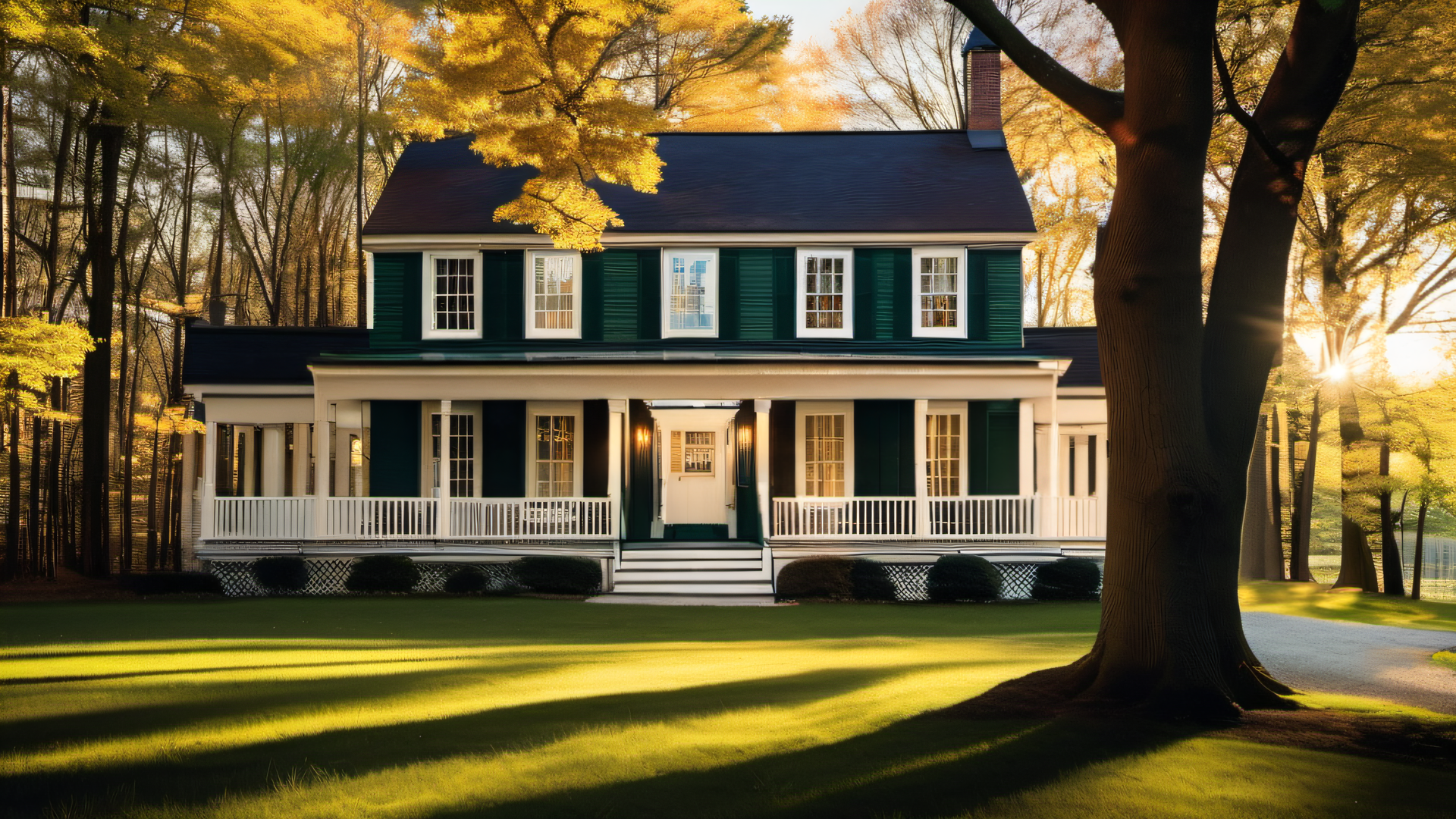
TL;DR: Premium paint on properly prepped wood clapboard lasts 7–10 years in MetroWest Boston. Budget paint fails in 3–4 years. South- and west-facing walls fade 1–2 years ahead of north-facing walls. Fiber cement and masonry last significantly longer than wood. Prep work is the single biggest variable in how long any paint job lasts.
A professionally applied exterior paint job using premium paint on properly prepared wood siding should last 7 to 10 years in the MetroWest Boston area. That's the honest benchmark. But the range in practice runs from 4 years to well over a decade — and what drives that difference isn't luck. It's prep work, paint quality, surface type, and which direction your walls face.
After 15 years painting homes across towns like Holliston, Wellesley, Dover, and Medfield, here's what we've learned about what makes an exterior paint job hold up in New England — and what shortens it.
Expected Lifespan by Surface Type
Wood clapboard in MetroWest lasts 7–10 years inland with quality prep and premium paint — closer to 4–7 years near the coast. Fiber cement reaches 12–15+ years. Masonry can last 8–17 years. The substrate is the baseline, and different surfaces behave very differently from one another.
| Surface | Expected Lifespan | Notes |
|---|---|---|
| Wood clapboard (inland) | 7–10 years | Most common in MetroWest; depends heavily on prep and paint grade |
| Wood clapboard (coastal/high humidity) | 4–7 years | Salt air and moisture accelerate film breakdown |
| Cedar shingle | 5–8 years | Cedar oils can interfere with adhesion; proper primer critical |
| Fiber cement (HardiePlank) | 12–15+ years | Most durable substrate for paint in the Northeast; minimal movement |
| Vinyl siding | 5–8 years | Requires flexible coatings; expansion/contraction stresses adhesion |
| Stucco | 5–10 years | Elastomeric coatings push toward the higher end |
| Masonry/brick | 8–17 years | One of the most durable substrates when properly sealed |
The homes we work on most often in MetroWest — wood-sided colonials and capes built between the 1950s and 1990s — fall into that 7-to-10-year window when everything is done right.
Why New England Is Harder on Paint Than Most of the Country
New England exterior paint on wood siding averages 5–8 years — landing in the middle of the national 5–10 year range, not the top end. Freeze-thaw cycling, spring humidity, and UV load combine to put more stress on paint film than most U.S. climates.
The primary mechanism is freeze-thaw cycling. Moisture — from rain, snow, and morning dew — works its way into microscopic gaps in the paint film and the wood beneath it. When temperatures drop below freezing, that moisture expands. When it thaws, it contracts. Repeated over a Massachusetts winter, the adhesion bond between paint and substrate degrades from the inside out. According to EPA climate data on freeze-thaw conditions, New England experiences some of the highest freeze-thaw frequency in the continental U.S. — a direct contributor to accelerated paint failure at nail heads, lap joints, and window sills.
On top of that, MetroWest doesn't have coastal salt air to contend with the way the South Shore does, but humidity is still a factor. A wet spring followed by a hot, dry summer creates expansion-and-contraction stress that compounds over time. UV exposure in the summer months breaks down pigment bonds, which is why colors on south and west-facing walls fade noticeably faster than the same color on a north-facing wall.
We go into the full picture of what New England weather actually does to exterior paint in more detail if you want to understand the underlying mechanics.
The Two Factors That Matter More Than Anything Else
If there's one thing 15 years of exterior work has taught us, it's that the paint brand matters less than two other things: how well the surface was prepared, and what grade of paint went on it.
Prep work
Proper preparation — pressure washing, scraping all loose paint, sanding edges, filling cracks, caulking gaps, and priming bare wood — is what determines whether a paint job lasts 5 years or 10. This isn't an exaggeration. Prep work accounts for the majority of any exterior paint job's lifespan, and it's the step that's most often cut short on lower-bid jobs. A fresh coat of paint over failing adhesion won't extend the job's life — it just delays the inevitable by a season or two.
Paint grade
Budget exterior paint fails in 3 to 4 years. Standard-grade paint typically lasts 5 to 7 years. Premium paint — Benjamin Moore Aura, Regal Select, Sherwin-Williams Duration — extends that to 7 to 10 years on properly prepared wood, and potentially longer on protected walls. Consumer Reports' exterior paint testing, which simulates nine years of weathering exposure, found measurable differences in cracking and fade resistance between premium and standard lines — with Benjamin Moore Regal Select scoring highest overall. The per-gallon cost difference between standard and premium is real, but small relative to the labor cost of the job. Choosing premium paint on a whole-house exterior adds a fraction to the material cost while meaningfully extending the repaint cycle. The paint products we trust for New England exteriors are all in the premium tier for exactly this reason.
How Sun Exposure Changes the Math
Sun direction has a larger effect on paint longevity than most homeowners realize. South- and west-facing walls receive the most UV exposure across the day and are typically the first surfaces to show fading, chalking, and film breakdown — often a full year or two before the north and east-facing walls on the same house.
On a typical MetroWest colonial, this means the back of the house (often south-facing) and the right-facing gable end will show wear first. North-facing walls in shaded areas can genuinely exceed 12 to 15 years with a premium product and solid prep, while the south face of the same house might be showing chalking at year 7 or 8.
This asymmetry is worth knowing when you're planning a project. A full repaint every 8 years is often the right call even if the north face looks fine — by the time the south face visibly needs it, the north face is due within a year or two anyway, and doing it all at once saves mobilization cost.
Signs Your Exterior Paint Is Reaching the End of Its Life
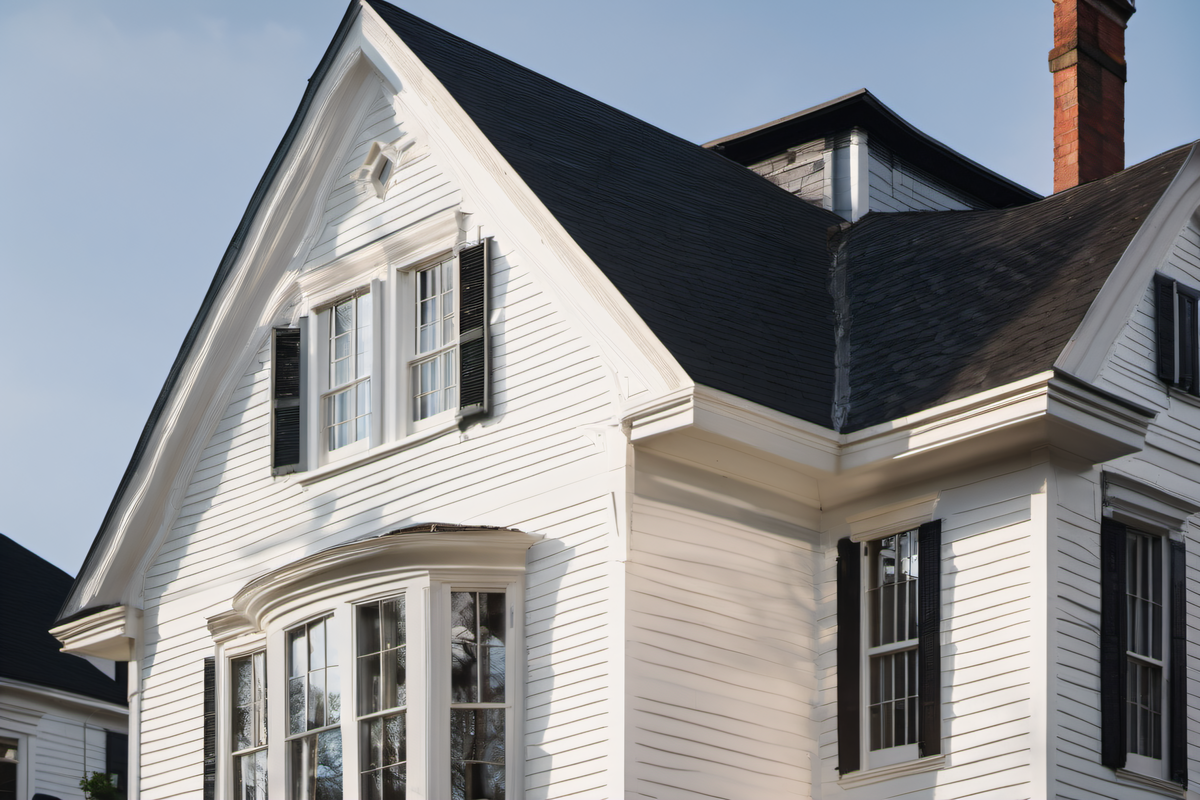
The first sign is usually chalking — a powdery residue on south-facing walls that wipes off on your hand. After that: fading, then cracking or blistering, then peeling. Peeling means adhesion has already failed and the wood beneath is exposed. Here's what each sign means and how long you have to respond.
- Chalking — a powdery residue that wipes off on your hand when you run it across the siding. This is normal at end of life and means the paint binder is breaking down. Plan a repaint within the next season.
- Fading — noticeable color loss, especially on south-facing walls. Mostly cosmetic at first, but indicates the protective film is degrading.
- Cracking or checking — hairline cracks following the wood grain. The paint film has lost flexibility and can no longer move with the substrate. Address within a year to prevent moisture infiltration.
- Blistering — bubbles forming under the paint surface. Moisture is trapped beneath the film. Address relatively soon; left too long, blisters break and expose bare wood.
- Peeling — paint lifting away from the surface in flakes or sheets. Adhesion has failed. This needs attention — bare wood exposed to a New England winter will absorb moisture and swell.
If you're seeing blistering or peeling, the surface needs more than a fresh coat — it needs proper prep before anything goes back on. We cover the causes in detail in why house paint peels and what to do about it.
Frequently Asked Questions
How long does exterior paint last on a wood house in Massachusetts?
On properly prepared wood siding in the MetroWest Boston area, a professionally applied premium paint job typically lasts 7 to 10 years. Coastal areas with higher humidity and salt exposure are closer to 4 to 7 years. Surface prep and paint grade are the two biggest variables.
How do I know when my house needs repainting?
Early signs include chalking (a powdery residue on the surface) and visible fading, especially on south-facing walls. More urgent signs are cracking, blistering, or peeling — all of which indicate the paint film can no longer protect the substrate. If you're seeing peeling, schedule an assessment before the next winter.
Does premium paint really last longer than standard paint?
Yes, measurably so. Budget exterior paint typically fails in 3 to 4 years. Standard-grade lasts 5 to 7 years. Premium lines like Benjamin Moore Aura, Regal Select, and Sherwin-Williams Duration typically reach 7 to 10 years on well-prepped wood. The per-gallon cost difference is small relative to the labor cost of a repaint job.
Why does paint fade faster on some sides of the house?
South- and west-facing walls receive the most UV exposure through the day and typically show fading and film breakdown 1 to 2 years ahead of north-facing walls. This is normal. For dark or saturated colors, the difference is even more pronounced. Premium paints with UV-resistant pigments slow this, but don't eliminate it.
How does New England weather affect exterior paint life?
Freeze-thaw cycling is the primary driver. Moisture penetrates microscopic gaps in the paint film and wood, then expands when it freezes and contracts when it thaws — degrading adhesion from the inside over repeated cycles. This is why New England paint jobs on wood siding rarely reach the 12 to 15 year marks common on fiber cement or masonry.
If you're trying to figure out whether your home is due for a repaint this spring, give us a call at (774) 217-9567 — we're happy to take a look and give you a straight answer about what's actually going on with your paint.
Related Reading
Dave Griffiths
Dave Griffiths is the owner of Paint Pro New England, a professional painting company serving MetroWest Boston since 2011. With 15+ years of interior and exterior painting experience across the region, he leads every project with thorough prep, premium Benjamin Moore and Sherwin-Williams paints, and a 2-year warranty.

