



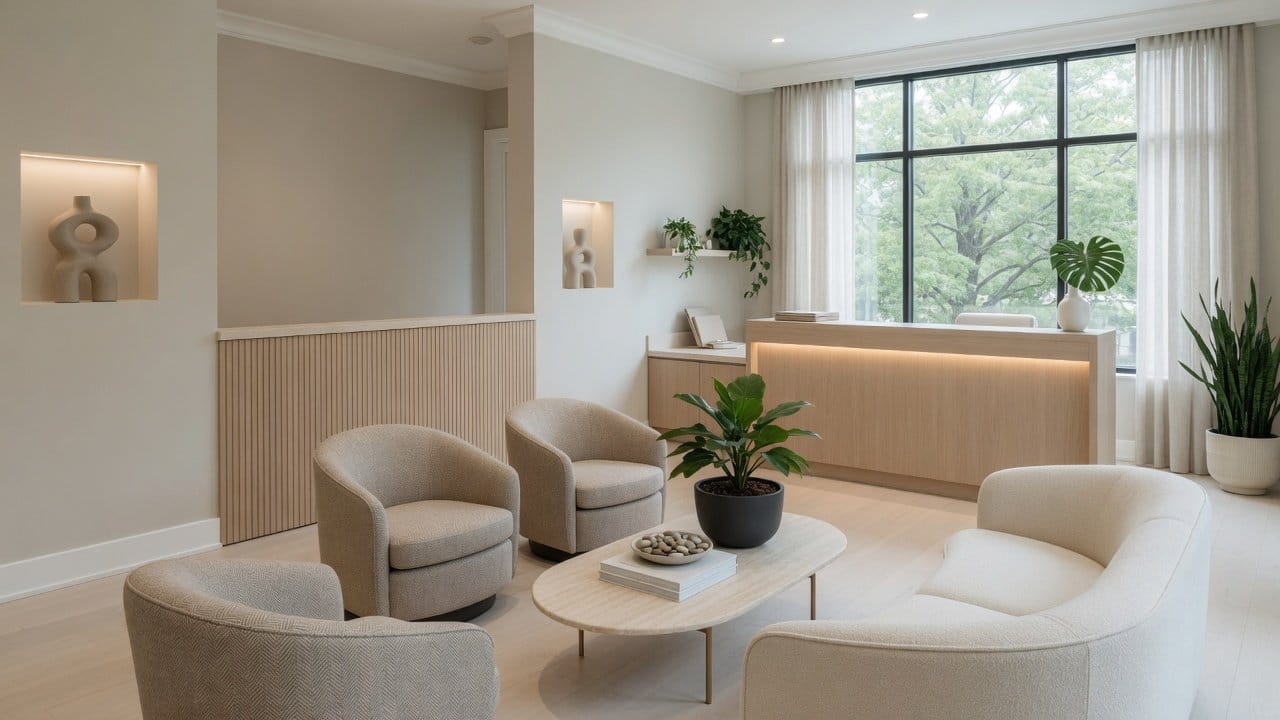
TL;DR: A medical or dental office is not a commercial paint job with nicer waiting-room chairs. Infection control drives the entire scope: zero-VOC coatings so immunocompromised patients and staff are not exposed, containment and HEPA filtration because sanding dust settles on clinical surfaces, antimicrobial or EPA-registered coatings in treatment rooms and high-touch areas, and after-hours or weekend phasing so operatories never stop. Healthcare interiors run roughly $4.50 to $8.50 per square foot, the highest of the commercial categories, and zero-VOC healthcare products generally cure within 24 to 48 hours so you can reopen on schedule.
Running a practice in MetroWest that needs painting without closing? Call or text Dave at (774) 217-9567. We phase medical and dental work around your patient schedule and document every shift.
Practice owners usually call expecting to talk about color. The first conversation is really about dust, air and schedule, because in a clinical setting those three things are compliance concerns rather than inconveniences, and getting them wrong costs far more than the paint.
Why is painting a medical office different?
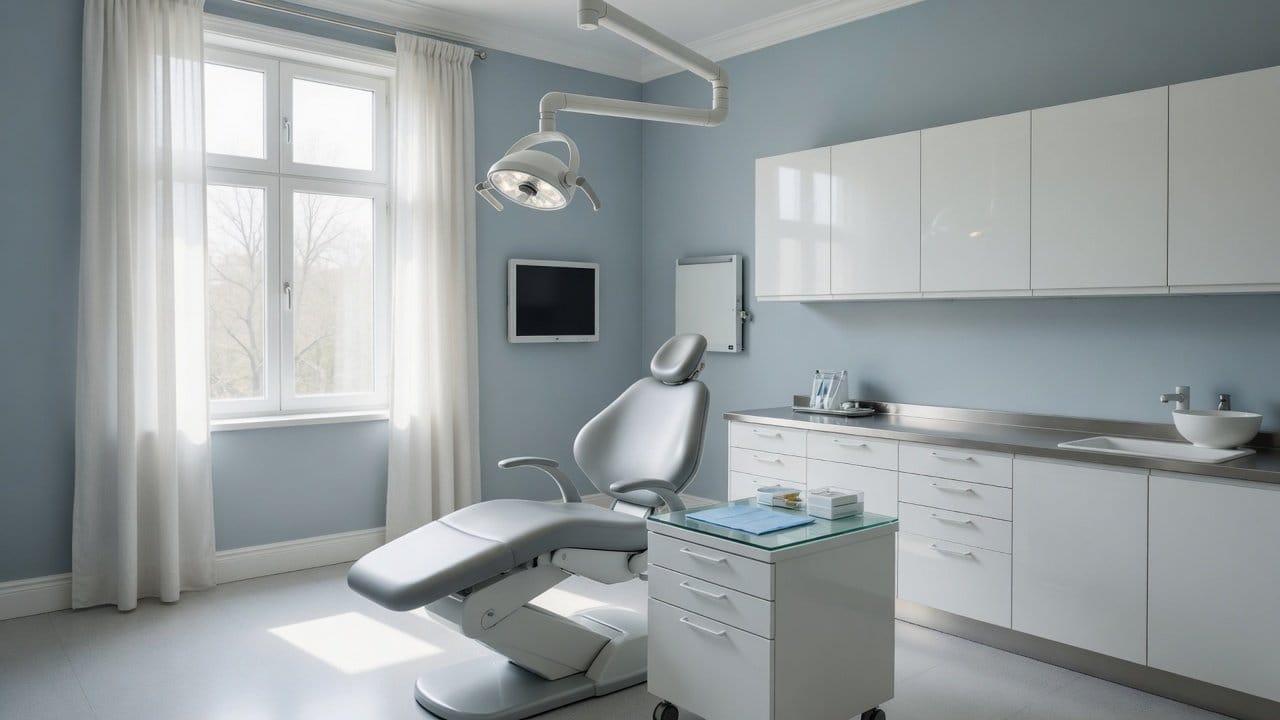
Three reasons a clinical space raises the bar.
The occupants are vulnerable. Patients in a waiting room may be immunocompromised, elderly, respiratory-compromised or pregnant. Conventional paint emits VOCs that irritate exactly those people, and unlike a house, they did not choose to be in a freshly painted building.
Dust is a contamination event. In a home, sanding dust is a mess. In a practice, drywall and sanding dust that settles on counters, instrument trays or sterile packaging is a contamination problem with real consequences.
Dental practices add bioaerosols. Procedures generate aerosolized material that increases wall contamination risk, and sterilization rooms run humidity that encourages fungal growth. Both argue for cleanable, moisture-tolerant, antimicrobial-capable finishes in specific rooms rather than a single product used everywhere.
What coatings should be specified?
Two categories, chosen room by room:
Zero-VOC throughout occupied space. Hospital-grade systems use low- or zero-VOC formulations meeting or exceeding GREENGUARD and LEED requirements so the air is usable immediately after application. No oil-based or high-VOC alkyds in occupied clinical spaces. And a detail that gets missed: colorants can raise the VOC level of a tinted product substantially above the base, so verify the VOC content of the tinted product, not the base. That is the same trap homeowners hit, covered in our guide to low-VOC and zero-VOC paint.
Antimicrobial and epoxy coatings where they earn their place. Antimicrobial coatings inhibit bacterial and mold growth on the painted surface, and they are specified in treatment rooms, operatories, restrooms and high-touch corridors rather than everywhere. Some are EPA-registered with documented kill claims against organisms including MRSA and E. coli. Where scrubbability matters most, water-based catalyzed epoxy systems handle repeated disinfection that would wear an ordinary latex thin.
What to verify before accepting a spec: an EPA registration number for any antimicrobial claim, GREENGUARD Gold certification, and the manufacturer's written cleaning and disinfection guidance for the product. Antimicrobial products cost more per gallon, roughly $50 to $100 against $25 to $60 for standard commercial latex, and they earn it back through fewer repaints and better tolerance of aggressive cleaning protocols.
How do you keep the practice running during the work?
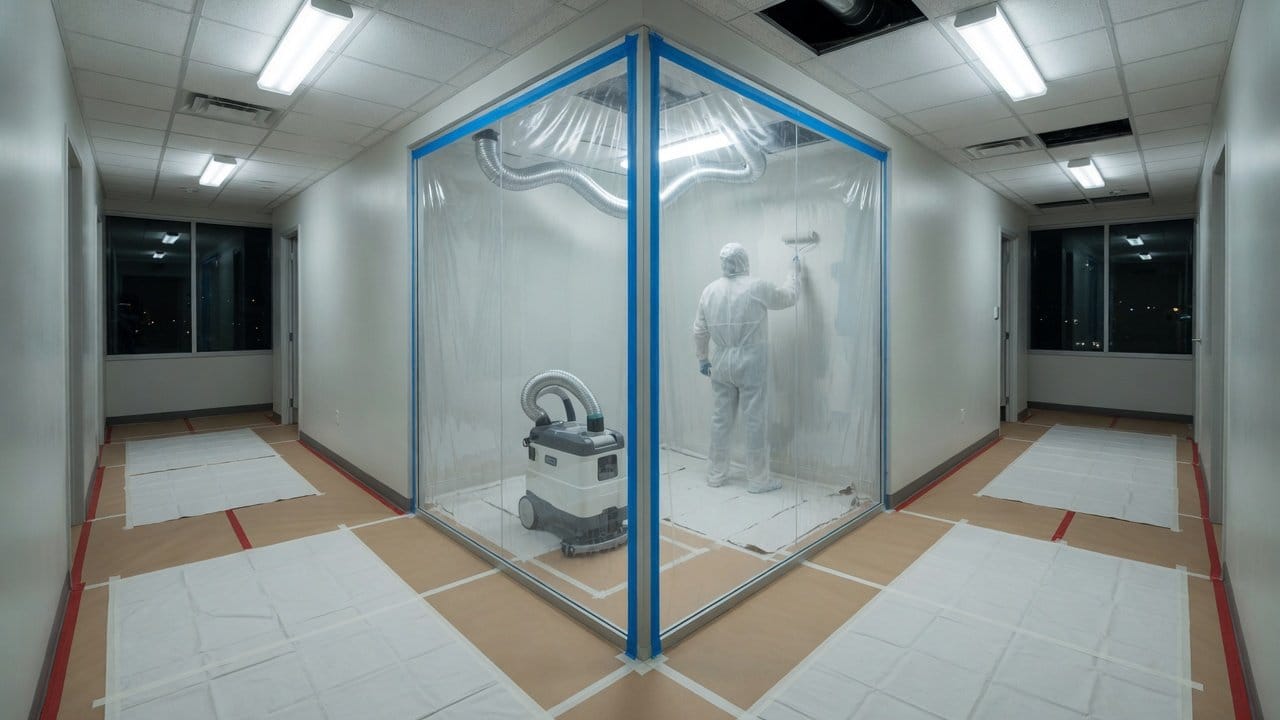
This is where a healthcare scope separates from ordinary commercial work:
- After-hours and weekend scheduling. Evenings and weekends around patient flow, with smaller practices typically phased room by room so the operatories in use are never the ones being painted.
- Containment. Sealed enclosures around the work area, with negative pressure or HEPA-scrubbed air depending on how close the work sits to active clinical operations.
- Daily HEPA scrubbing and cleanup. The space is returned clinical-ready at the end of every shift, not at the end of the project.
- Sign-offs. Where a facility has an infection-control officer, before-and-after sign-off each shift. In a small private practice, the practice manager plays that role, and it should still be written down.
- Work practices that respect patient privacy. Crews work in areas where records and patient information are present, so scheduling, escorting and area access need to be agreed in advance.
The phasing logic is the same one behind after-hours office painting in MetroWest, with the containment and air-quality requirements layered on top.
What does it cost, and how fast can you reopen?
Healthcare interiors run roughly $4.50 to $8.50 per square foot, the highest of the standard commercial categories. The premium is not the paint, it is the method: after-hours labor rates, containment materials, HEPA equipment, phased mobilization across multiple short shifts instead of continuous days, and higher-cost specialty coatings.
On turnaround, zero-VOC healthcare products generally cure fully within 24 to 48 hours, which is what makes overnight and weekend phasing viable. A room painted Friday evening is typically ready for Monday patients. We plan the sequence so no operatory is out of service on a weekday, and we tell you before we start which rooms are affected on which nights.
For general commercial context and pricing outside the clinical category, see our work on commercial painting for restaurants and retail.
The bottom line
Medical and dental painting is a scheduling and air-quality problem first and a finish problem second. Specify zero-VOC across occupied space and verify the tinted product rather than the base, put antimicrobial or catalyzed epoxy where cleaning is aggressive and contamination risk is real, contain and HEPA-scrub the work, and phase it after hours so patient care never stops. Expect $4.50 to $8.50 per square foot and a 24 to 48 hour cure. A contractor who quotes your practice the same way they quote an office park has not understood the job.
Paint Pro New England has served MetroWest businesses for 15 years, working across Holliston, Medway, Hopkinton, Sherborn, Dover, Wellesley, Natick and the surrounding towns, fully insured and EPA Lead-Safe certified, with a 2 year warranty and 5.0 stars across 60+ reviews. For a free estimate and a phasing plan built around your patient schedule, call (774) 217-9567.
Dave Griffiths
Dave Griffiths is the owner of Paint Pro New England, a professional painting company serving MetroWest Boston since 2011. With 15+ years of interior and exterior painting experience across the region, he leads every project with thorough prep, premium Benjamin Moore and Sherwin-Williams paints, and a 2-year warranty.

