



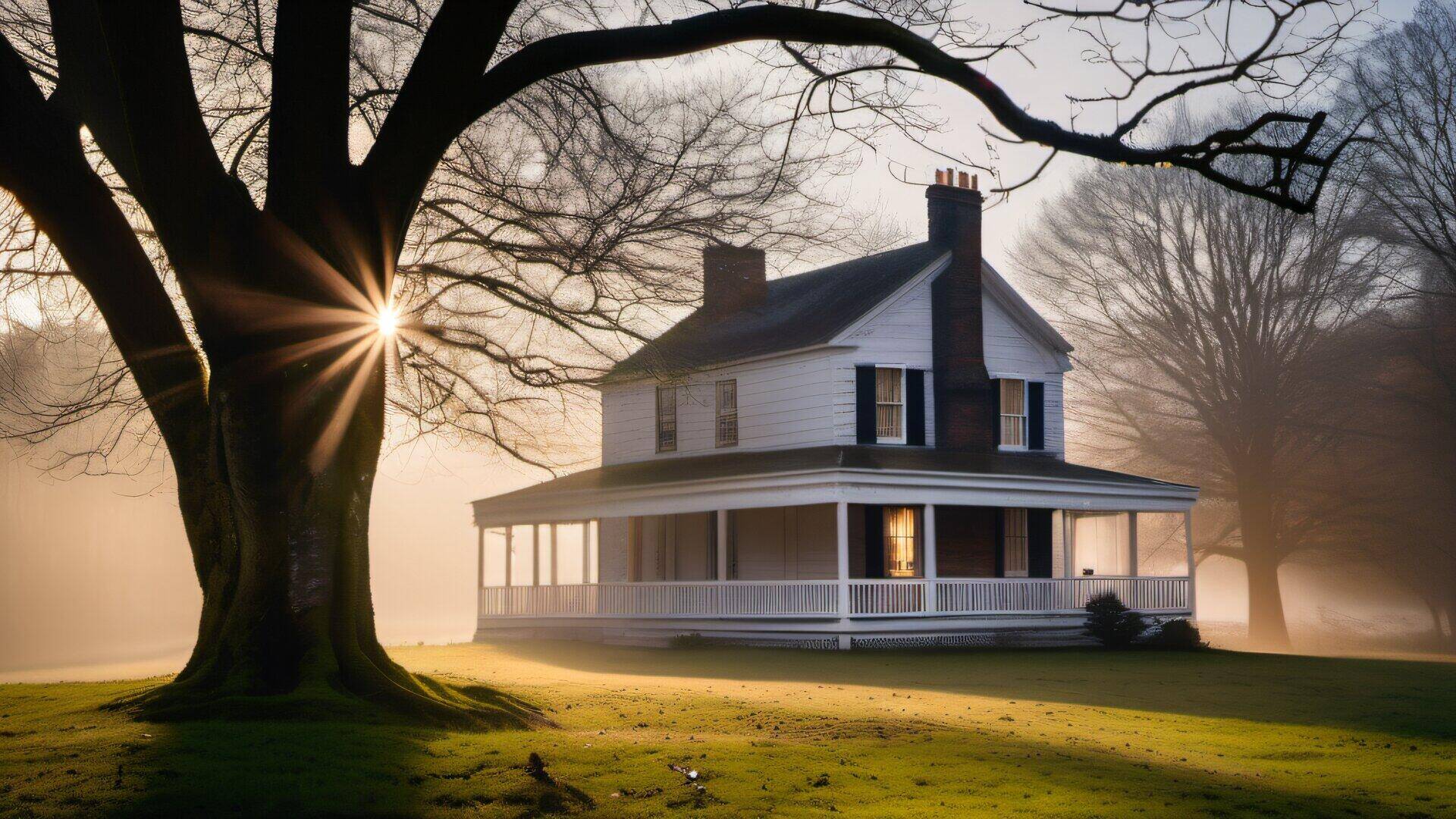
TL;DR: Exterior paint needs air temperatures between 50-85°F, surface temperatures above 50°F, humidity below 70%, no rain for 4-6 hours after application, and a dry surface free of dew or condensation. Skipping any of these conditions causes adhesion failure, blistering, or uneven curing that shows up within the first season. A good painter tells you "not today" because they care about the result, not because they don't want the work.
The forecast says sunny. The temperature is in the mid-50s. You've been waiting all winter to get your house painted. So when we show up for the estimate and say "not this week," it sounds like we're stalling.
We're not. We're protecting your investment. The difference between paint applied under the right conditions and paint applied under marginal conditions is the difference between a finish that lasts a decade and one that starts peeling next spring. In 15 years of painting homes across Holliston, Medway, and the rest of MetroWest, the callbacks we've seen almost always trace back to weather — not the paint, not the prep, not the crew.
Temperature: The Window Is Narrower Than You Think
Most exterior latex paints require air temperatures between 50°F and 85°F for proper film formation. But air temperature is only part of the equation. Surface temperature matters more — and a shaded north-facing wall in Holliston can be 10-15 degrees cooler than the thermometer on your porch reads. According to Benjamin Moore, painting below the minimum temperature causes the paint film to form improperly, leading to poor adhesion, cracking, and reduced durability.
The overnight temperature matters just as much. Paint applied in the afternoon at 60°F that drops to 35°F overnight won't cure properly. The temperature needs to stay above the minimum for the full cure cycle — typically 24-48 hours. In a Massachusetts spring, that means checking the forecast three days out, not just today.
Humidity and Dew Point: The Invisible Problem
High humidity slows paint drying, extends cure time, and can cause a hazy or milky appearance in the finish called "blushing." When relative humidity exceeds 70%, exterior paint takes significantly longer to dry — and while it's drying slowly, it's vulnerable to dust, pollen, insects, and moisture.
Dew point is the subtler issue. When the air temperature approaches the dew point (within 5°F), condensation forms on surfaces — including the surface you just painted. According to Sherwin-Williams, painting when the surface temperature is within 5°F of the dew point risks moisture contamination in the wet paint film. In MetroWest Boston, spring mornings frequently hover near the dew point until mid-morning.
This is why we typically don't start exterior painting until 9-10 AM in spring, even on warm days. We're waiting for dew to burn off and the surface temperature to separate from the dew point.
Rain: Why "Partly Cloudy" Isn't Good Enough
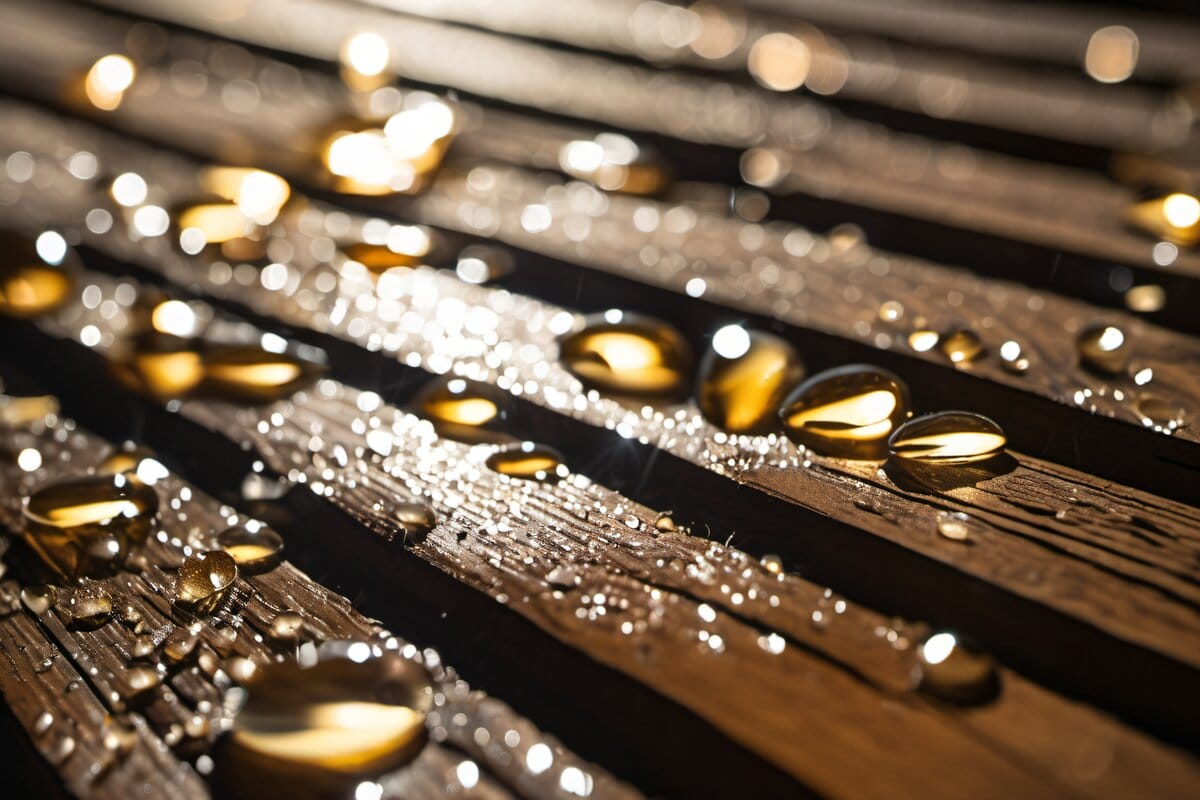
Exterior latex paint needs 4-6 hours of dry time before it can handle moisture. Light rain within that window will wash pigment out of the uncured film, cause streaking, and destroy adhesion. Heavy rain can wash fresh paint off entirely.
Our rule: if there's more than a 30% chance of rain within 6 hours of application, we don't start. It's not worth the risk to your house or the inevitable redo. We check multiple forecast sources the morning of every exterior job, and we'd rather lose a day than lose a wall.
This is also why we don't paint late in the afternoon on spring days. A 4 PM application that gets hit by an overnight shower hasn't had enough cure time to survive. We plan our day so the last coat goes on with at least 6 hours of dry weather ahead.
The Morning Dew Trap
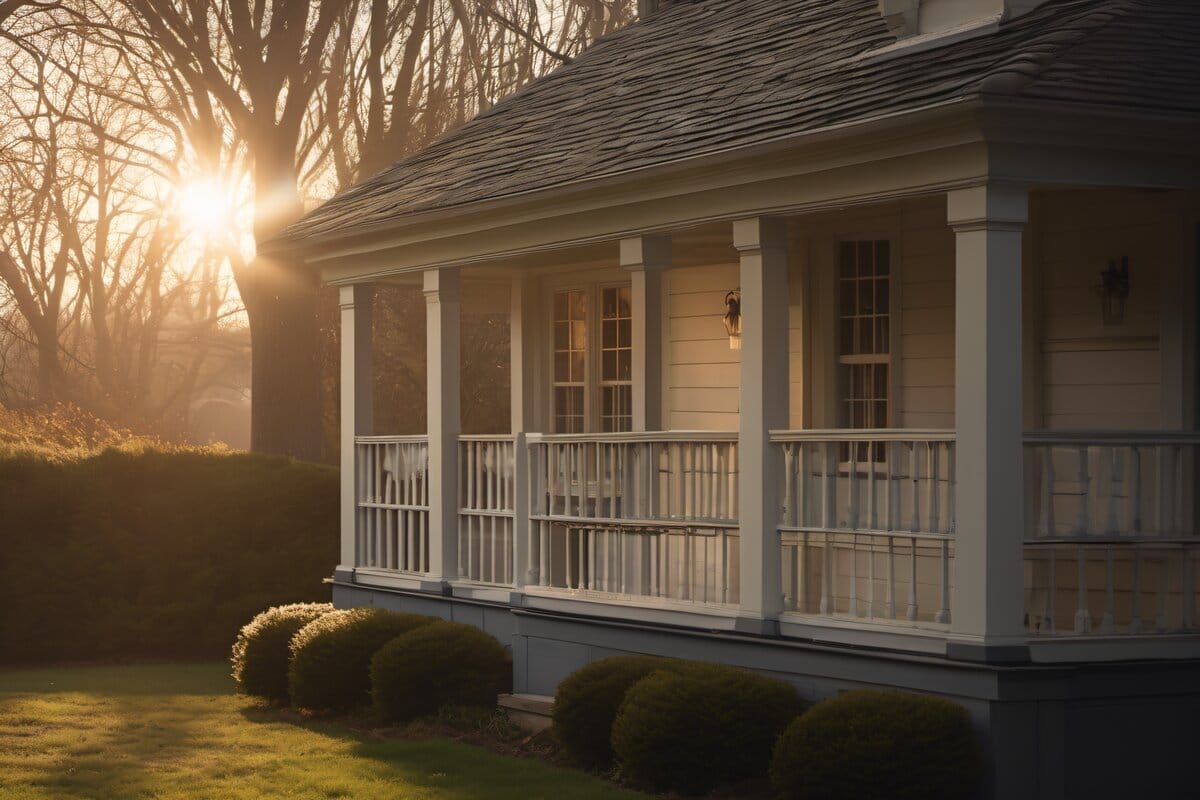
Even on a beautiful spring day, the first two hours of morning are usually off-limits for exterior painting. Overnight dew settles on every surface — siding, trim, railings — and it's often invisible to the naked eye. Painting over dew means the paint isn't bonding to the wood or previously painted surface. It's bonding to a thin film of water that will eventually evaporate and leave the paint floating.
We start mornings with prep work — scraping, sanding, caulking, priming — and move to topcoat application once the sun has had time to dry the surfaces. In shaded areas under heavy tree cover, like many older neighborhoods in Holliston and Sherborn, that might mean waiting until 11 AM or later.
The Forecast Check: What We Actually Look For
Before every exterior painting day, we check five things:
- Daytime high: Must be between 50-85°F
- Overnight low: Must stay above 40°F for the next two nights
- Humidity: Must be below 70% during application
- Rain probability: Must be below 30% for 6+ hours after painting
- Dew point spread: Surface temp must be 5°F+ above dew point
If any one of those fails, we push the day. It means some spring weeks we're on-site every day, and other weeks we don't touch a brush. That unpredictability is part of exterior painting in New England — and it's why we build weather buffers into every project timeline.
What Happens When Someone Paints in Bad Conditions
We've repainted a lot of homes where the previous paint job failed in 2-3 years. Almost every time, the culprit is one of the conditions above. Paint applied in cold temperatures cracks because it never formed a proper film. Paint applied over dew blisters because moisture gets trapped under the film. Paint applied before rain washes, streaks, or loses adhesion entirely.
The repair for these failures isn't a quick coat over the top. It's a full strip, sand, prime, and two-coat repaint — essentially starting from scratch. The "savings" from painting on a questionable day evaporate quickly when the job needs to be redone 18 months later.
FAQ
What temperature is too cold to paint exterior in Massachusetts?
Most exterior latex paints require a minimum of 50°F air temperature and 40°F overnight lows for proper curing. Some newer formulations can go as low as 35°F, but standard paints will form a weak film below 50°F.
How long does exterior paint need to dry before rain?
Exterior latex paint needs a minimum of 4-6 hours of completely dry conditions after application before it can handle any moisture. Light rain within that window can wash pigment, cause streaking, and destroy adhesion to the surface.
Can you paint exterior in high humidity?
Exterior painting should be avoided when relative humidity exceeds 70%, as high moisture levels slow drying, extend cure time, and can cause a hazy or milky finish called blushing. Ideal humidity for exterior painting is between 40-60%.
Why does my painter keep rescheduling?
A painter who reschedules due to weather is protecting the quality and longevity of your paint job. Paint applied under marginal conditions — too cold, too humid, too close to rain — will fail within one to three seasons and require a full repaint.
What time of day is best for exterior painting?
Mid-morning to mid-afternoon is the optimal window for exterior painting in New England spring. Morning dew needs time to evaporate from surfaces, and late afternoon applications risk not having enough dry time before overnight temperature drops and dew formation.
If you're planning an exterior project and wondering about timing, give us a call at (774) 217-9567. We'll check the forecast with you and give you an honest window.
Related Reading
Dave Griffiths
Dave Griffiths is the owner of Paint Pro New England, a professional painting company serving MetroWest Boston since 2011. With 15+ years of interior and exterior painting experience across the region, he leads every project with thorough prep, premium Benjamin Moore and Sherwin-Williams paints, and a 2-year warranty.

