




TL;DR: The difference between a paint job that lasts 10 years and one that fails in 2 is almost always prep and product — not color. Proper cleaning, scraping, priming, and premium 100% acrylic paint yield 7–10+ years; skipped prep and cheap paint fail in 2–4 years. Free estimate: (774) 217-9567.
The Real Reason Some Paint Jobs Last and Others Don't
The science behind paint failure — and how to avoid it
Here's a question I get asked constantly: "How long will this paint job last?"
The honest answer is frustrating: it depends. But not on luck, and not on mystery factors. It depends on specific, knowable things — things that determine whether your paint will look great for a decade or start failing in two years.
After fifteen years of painting and seeing thousands of jobs (my own and others'), I can tell you exactly what separates the successes from the failures.
It Starts With Adhesion

Paint isn't magic. It's chemistry. And the fundamental thing paint needs to do is adhere — stick to the surface underneath and stay stuck.
When paint fails, it's almost always an adhesion failure. The paint didn't bond properly, and eventually it gives up. It peels. It bubbles. It flakes. It cracks.
Up to 80% of all coating failures can be directly attributed to inadequate surface preparation.
That statistic is from Sherwin-Williams, one of the largest paint manufacturers in the world. Eighty percent. Four out of five paint failures trace back to how the surface was prepared before painting started.
This is why I talk about preparation so much. It's not a fetish — it's the single most important factor in whether paint lasts.
What Prevents Adhesion
For paint to stick, it needs a clean, stable surface. Paint can't bond to surfaces that aren't clean. Anything between the paint and the surface — dirt, dust, grease, mildew, loose old paint — becomes a weak point.
Imagine trying to stick tape to a dusty shelf. It might hold for a while, but eventually it fails because it's not actually adhered to the shelf — it's adhered to the dust. Same principle.
Failure to remove loose or peeling paint means the new paint sticks to the old loose paint instead of the actual substrate. When that old layer lets go, everything on top goes with it.
This is why proper prep involves:
- Cleaning every surface
- Removing all loose paint
- Sanding to create "tooth" for the new paint to grip
- Priming to create a chemical bond
Skip any of these, and you're setting up the conditions for failure.
The Moisture Factor
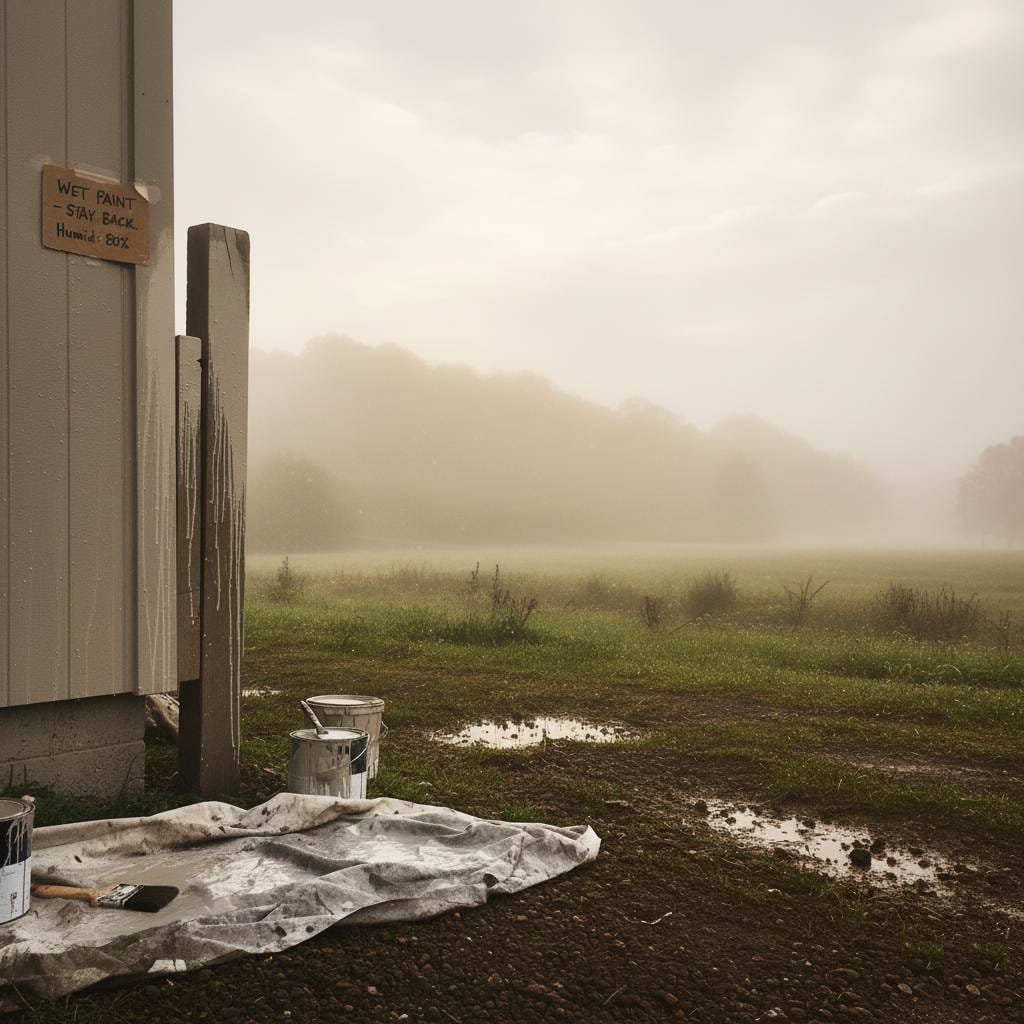
If poor preparation is the #1 cause of paint failure, moisture is #1.
The most common cause of premature paint failure on wood is moisture.
Moisture causes problems in several ways:
It prevents adhesion. You can't paint a wet surface and expect good results. Even surfaces that feel dry might have moisture inside that works its way out.
It causes failure from underneath. If water gets behind paint — through gaps, cracks, or poor flashing — it pushes outward. Moisture can push paint away from the wall, resulting in bubbling or peeling.
It enables mold and mildew. These grow on surfaces that stay damp, and they prevent paint adhesion while also degrading the surface underneath.
In New England, moisture is everywhere — humidity, rain, snow, condensation. Every exterior paint job has to be done with moisture defense in mind. Caulking, proper primers, appropriate paint products, attention to drainage and flashing — all of it matters.
Materials Make a Difference
Not all paint is created equal.
Consumer-grade paint from the hardware store isn't the same as professional-grade products. The difference is in binder quality, pigment concentration, and additive packages. Professional painters have access to premium-grade paints that ensure superior finish and longevity.
Two coats always outperform one coat — more durability, better protection, truer color, longer retention. This is how manufacturers design their products to perform. Skipping the second coat might save time, but it compromises the result.
For exteriors in our climate, we use paints specifically formulated to handle temperature swings and freeze-thaw cycles. Paints with vinyl acetate or styrene acrylic resins provide the elasticity needed to resist cracking during freeze-thaw.
The right product for the right application matters more than most people realize.
Technique Isn't Just About Skill
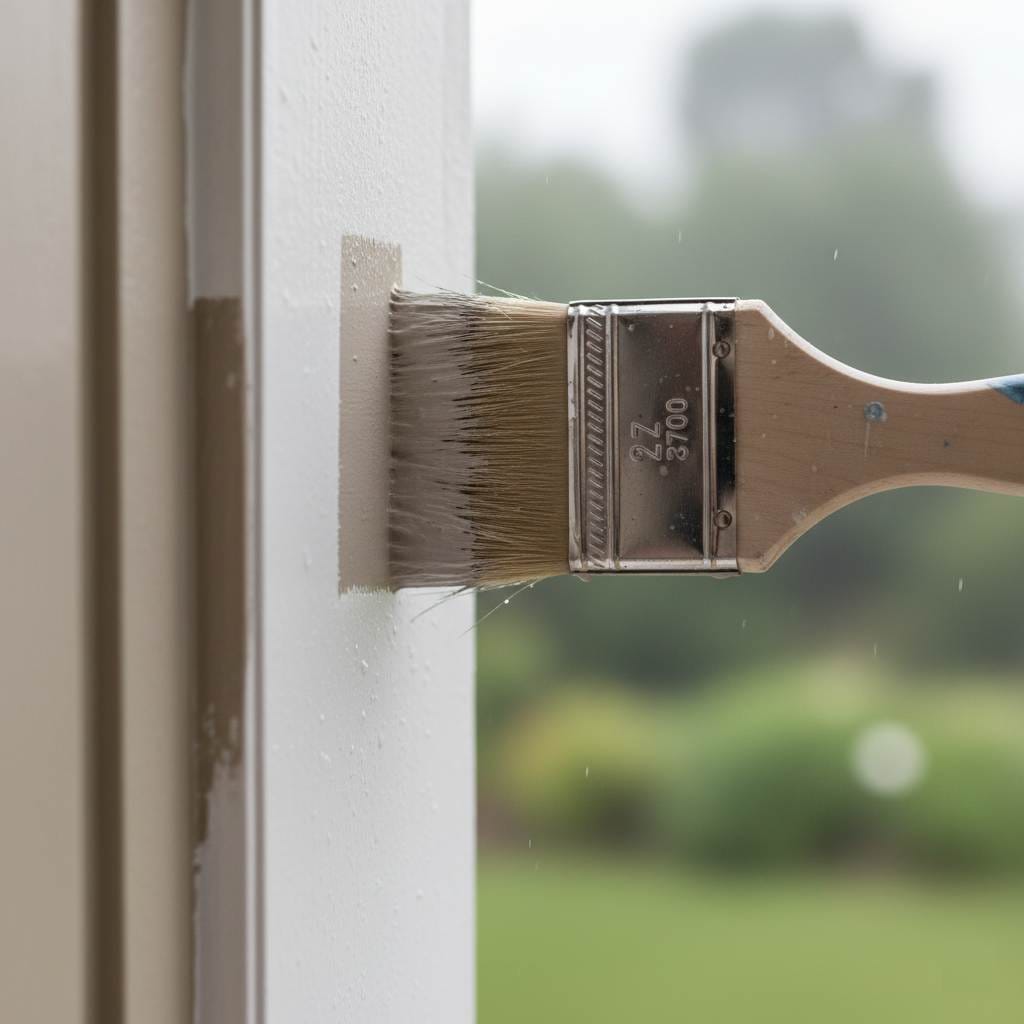
How paint is applied affects how well it adheres and cures.
Film thickness matters. Too thin, and coverage suffers. Too thick, and the paint can't cure properly — leading to cracking, sagging, and premature failure.
Environment matters. Temperature, humidity, and timing all affect how paint cures. Paint applied in wrong conditions might look fine initially but fail faster.
Technique matters. Common DIY mistakes include lap marks from uneven rolling, muddy cutting-in lines, and drips from overloaded brushes. Professional painters develop these skills over thousands of hours.
This is why experience counts. A painter who's done this for fifteen years sees things differently than someone who's done it for two.
The Lifespan Question, Answered
So how long should paint actually last?
For interiors: With proper prep and application, interior paint should last 7-10 years or more in typical living spaces. High-traffic areas and kitchens/bathrooms might need refreshing sooner.
For exteriors: It varies by material. Wood siding typically needs repainting every 4-7 years. Stucco goes 5-10 years. Aluminum and vinyl can last 20 years or more. South-facing walls fade and break down faster than shaded areas.
These numbers assume proper preparation, quality materials, and correct application. Shortcut any of those, and the timeline shrinks dramatically.
The Takeaway
Paint longevity isn't random. It's the predictable result of preparation, materials, and technique.
When homeowners ask me why one paint job lasts and another doesn't, I can almost always trace it back to one of these factors. Usually preparation. Sometimes moisture issues that were painted over instead of solved. Occasionally wrong products or poor application.
Understanding this gives you power as a consumer. You know what to ask about. You know what to look for. You know why shortcuts cost more in the long run.
And when you hire someone who gets all these things right, you get paint that actually lasts — not just looks good on day one, but still looks good in year five and year ten.
That's the goal. That's what we work toward on every project.
Related Reading
- DIY Painting vs. Hiring a Pro: An Honest Comparison
- How to Prepare Your Home for Professional Painters
- The Real Cost of Cheap Paint (And Why It's Not a Bargain)
- Painters in Holliston, MA — Interior, Exterior & Cabinet Refin...
Questions about your project?
Call (774) 217-9567 or request your free estimate.

Frequently Asked Questions
Why do some paint jobs fail so quickly?
Almost always poor prep — painting over dirt, chalk, or glossy surfaces without cleaning, sanding, and priming — plus cheap paint. Even good paint fails fast on an unprepared surface.
How long should an exterior paint job last?
With proper prep and premium 100% acrylic paint, 7–10 years or more in New England. Cheap paint or skipped prep can fail in 2–4 years.
Does the paint brand matter more than prep?
No. Prep matters most. The best paint over bad prep still fails; mid-grade paint over excellent prep holds up well.
Dave Griffiths
Dave Griffiths is the owner of Paint Pro New England, a professional painting company serving MetroWest Boston since 2011. With 15+ years of interior and exterior painting experience across the region, he leads every project with thorough prep, premium Benjamin Moore and Sherwin-Williams paints, and a 2-year warranty.

