



TL;DR: Before exterior painting, we inspect every surface for wood rot (especially window sills and door frames), caulk failure, mildew on shaded walls, chalking old paint, and potential lead paint on pre-1978 homes. In Holliston, older colonials and ranches with mature tree cover typically need more prep than newer construction. The inspection is free and tells you exactly what your home needs — sometimes it's a full repaint, sometimes it's targeted repair and touch-up.
Before we open a single can of paint on a Holliston home exterior, we spend time looking at everything that isn't the paint. Windows, trim, caulk lines, wood grain, the underside of eaves, the soil grade against the foundation — all of it tells a story about what the house needs before any color goes on.
This pre-painting inspection is what separates a paint job that lasts from one that peels. And in Holliston, where many homes are 40-70 years old with original wood siding and trim, what we find during inspection shapes the entire project plan.
Wood Rot: The Number One Finding in Holliston
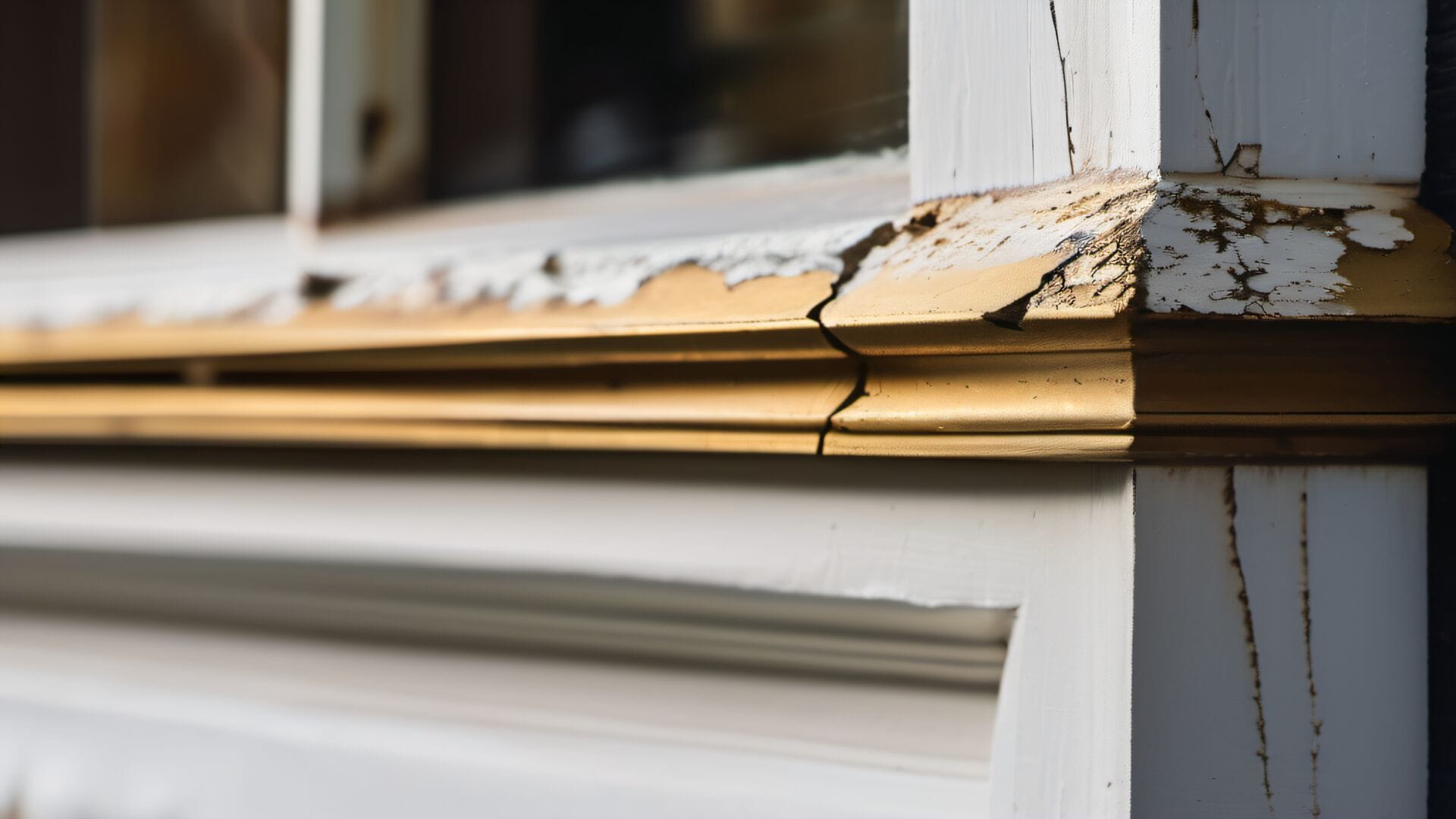
Wood rot on window sills, door frames, and fascia boards is the most common issue we find on older Holliston homes. Water pools on horizontal surfaces, seeps into end grain, and softens the wood from the inside over years of New England freeze-thaw cycles. According to This Old House, wood rot progresses quickly once it starts — a small soft spot can spread several inches in a single season if moisture continues to reach it.
We check every horizontal surface by pressing firmly with a screwdriver or awl. Sound wood resists pressure. Rotted wood gives way — sometimes dramatically. Common rot locations on Holliston homes include:
- Window sills: Especially on windows without proper drip edges or with failed caulk above
- Door frame bottoms: Where the frame meets the threshold or deck
- Fascia behind gutters: Water overflow from clogged gutters saturates the fascia over years
- Corner boards: Where two pieces of siding meet at an outside corner, trapping moisture
- Deck ledger boards: Where the deck attaches to the house — often hidden behind flashing
Minor surface rot gets treated with wood hardener and filled with exterior-grade epoxy. Structural rot — soft wood deeper than a quarter inch — means the section gets replaced before any paint touches it. Painting over rot just hides the problem until it gets worse.
Caulk and Sealant Failure
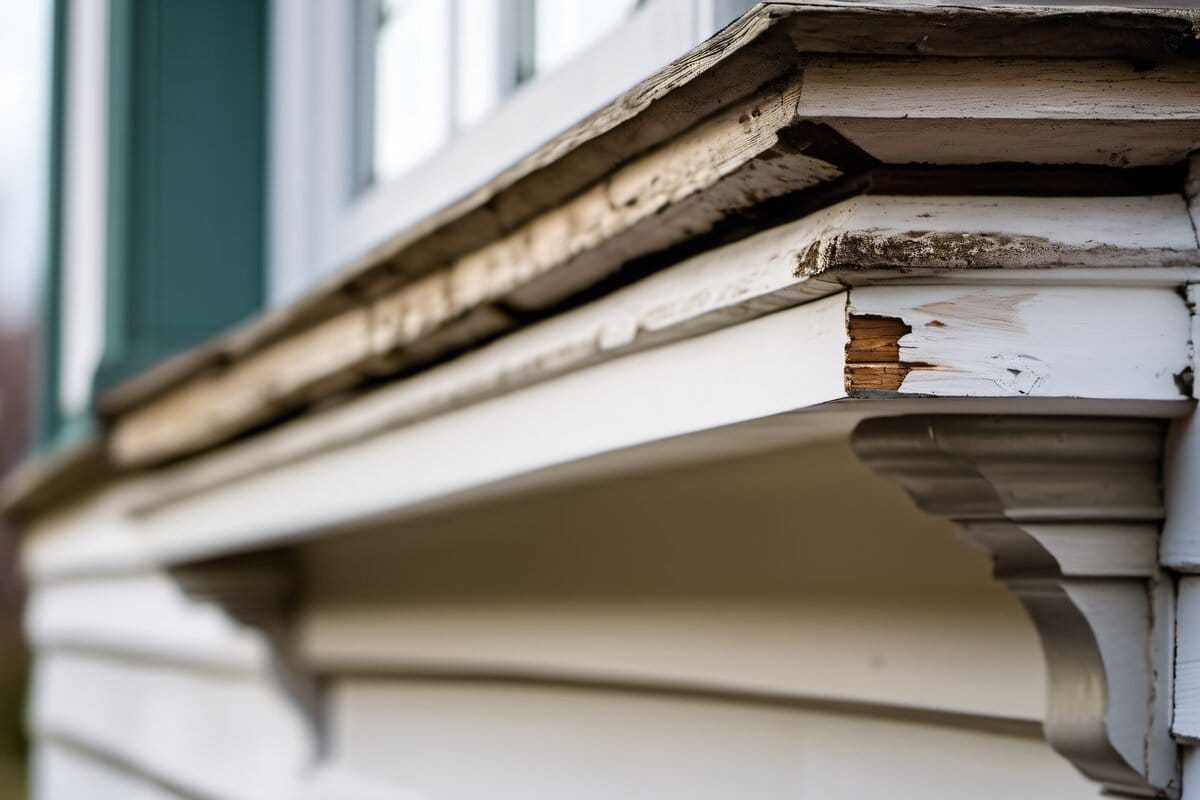
Every joint where siding meets trim, where trim meets window, and where different materials meet requires a flexible seal against moisture. Exterior caulk has a lifespan of 5-15 years depending on quality and sun exposure. On a typical Holliston colonial that was last painted 8-10 years ago, we expect to find significant caulk failure — gaps, cracks, separation, and hardened caulk that's lost all flexibility.
Failed caulk lets water behind the siding and trim, accelerating wood rot and creating conditions where paint adhesion fails from the back side. We remove all failed caulk, clean the joint, and apply fresh paintable exterior caulk before priming. It's tedious work that adds a full day to most projects, but it's non-negotiable for a lasting paint job.
Mildew and Biological Growth
Holliston's mature tree canopy creates heavy shade on many homes, particularly north-facing and west-facing walls. According to Sherwin-Williams, shaded surfaces with poor air circulation are prime environments for mildew, algae, and moss growth. These organisms grow on and under the paint film, and painting over them guarantees early failure.
We treat mildew with a professional-grade cleaning solution, scrub affected areas, and pressure wash the entire surface. Then we wait 48-72 hours for complete drying before priming. On heavily shaded walls, we add a mildewcide to the primer and/or topcoat to slow regrowth.
Lead Paint Considerations for Pre-1978 Homes
Many Holliston homes were built before 1978, when lead paint was banned for residential use. If the home has original exterior paint or multiple layers that haven't been fully removed, lead is likely present. Massachusetts law requires EPA RRP (Renovation, Repair, and Painting) certified practices when disturbing lead paint through scraping, sanding, or power washing.
We follow all Massachusetts lead safety requirements and use containment measures to prevent lead dust from contaminating soil around the foundation. This adds cost and time to the project, but it's a legal requirement and a safety necessity — especially for homes with children or gardens near the foundation.
Chalking and Paint Film Failure
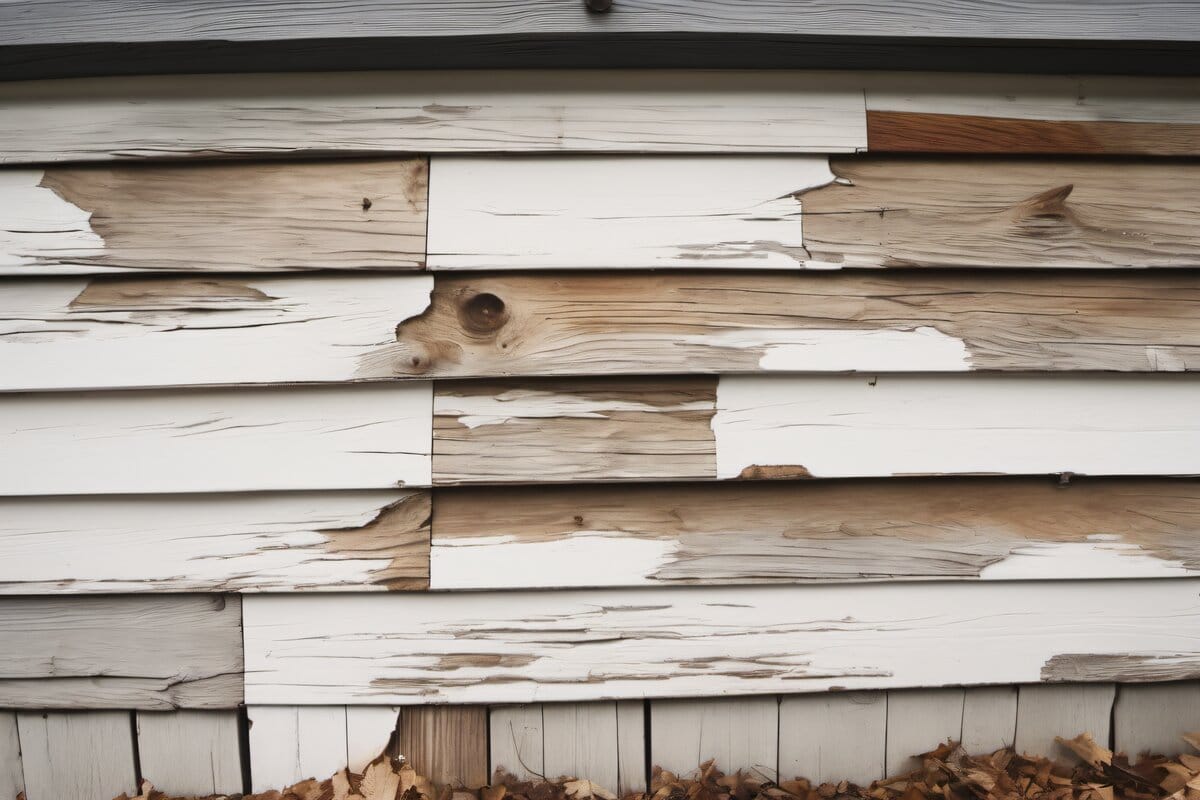
Run your hand along the existing paint. If a white or colored residue comes off on your palm, the paint is "chalking" — the binder has broken down and the pigment is loose on the surface. Moderate chalking is normal on aging exterior paint. Heavy chalking means the existing paint has failed and won't hold a new coat without thorough cleaning and priming.
We also look for alligatoring (a cracked pattern resembling reptile skin), peeling, and blistering. Each of these tells us something different about the underlying cause — moisture from inside the wall, adhesion failure from poor prep on the last paint job, or paint applied over a contaminated surface.
Our Pre-Painting Checklist
Here's exactly what we inspect on every Holliston exterior before writing an estimate:
| Area | What We Check | Common Finding |
|---|---|---|
| Window sills & frames | Rot, caulk, glazing | Soft wood, cracked caulk |
| Door frames | Rot at base, caulk | Bottom rot from splash-back |
| Fascia & soffits | Rot behind gutters, vent condition | Water damage from overflow |
| Siding | Peeling, chalking, mildew, nail pops | Chalking on south, mildew on north |
| Corner boards | Rot, separation, caulk | Moisture trapped at joints |
| Foundation line | Soil contact, splash zone | Paint failure at grade level |
| Deck/house junction | Flashing, ledger board | Hidden rot behind deck |
FAQ
How long does a pre-painting exterior inspection take?
A thorough exterior inspection on a typical Holliston home takes 30-60 minutes, depending on the size and complexity of the house. We check every surface, joint, and potential problem area before writing an estimate.
Do you charge for the exterior inspection?
The pre-painting inspection is included as part of our free estimate process for Holliston and MetroWest homeowners. We walk the entire exterior with you, point out any issues, and explain what needs to be addressed before painting.
What happens if you find wood rot during inspection?
Minor surface rot gets treated with wood hardener and filled with exterior-grade epoxy filler. Structural rot deeper than a quarter inch requires replacing the damaged section with new wood before any paint is applied.
Should I test for lead paint before repainting my Holliston home?
Any Holliston home built before 1978 likely has lead paint on exterior surfaces. Massachusetts requires EPA RRP-certified practices when scraping or sanding lead paint, and testing before work begins is the safest and most cost-effective approach.
How much prep work do older Holliston homes typically need?
Older Holliston homes built in the 1950s-1970s typically need significant prep — often 60-80% of total project time goes to scraping, sanding, caulking, priming, and wood repair before any topcoat paint is applied.
Want to know what your Holliston home's exterior actually needs? Give us a call at (774) 217-9567 and we'll schedule a free walkthrough.
Related Reading
Dave Griffiths
Dave Griffiths is the owner of Paint Pro New England, a professional painting company serving MetroWest Boston since 2011. With 15+ years of interior and exterior painting experience across the region, he leads every project with thorough prep, premium Benjamin Moore and Sherwin-Williams paints, and a 2-year warranty.

