



TL;DR: Pressure or soft washing before exterior painting removes the dirt, chalk, pollen, and mildew that keep paint from bonding — skip it and even premium paint fails early. A professional wash runs about $200–$700, adds a day, and must dry 24–48 hours before painting. Free estimate: (774) 217-9567.
Every spring, we show up to paint jobs where the homeowner skipped one step — and it's always the same one. The surface looks fine from the driveway. Up close, it's covered in a thin film of mildew, algae, or chalking that paint can't bond to. The result is a job that peels in two years instead of lasting seven.
Pressure washing before painting isn't optional. It's the step that determines whether the work holds up.
Quick answer: Pressure washing before exterior painting removes the mildew, chalking, and grime that prevent paint from bonding properly. In Massachusetts, where spring humidity and freeze-thaw cycles accelerate algae growth, it's a non-negotiable part of any exterior paint job done right.
Why Skipping It Causes Paint to Fail
Paint bonds to the surface beneath it. When that surface is covered in mildew, it bonds to the mildew — not the siding. When it's coated in chalking (the powdery residue old paint leaves behind), the new paint sits on top of a layer that has no adhesion. When there's algae, dirt, or salt residue from winter road treatment, same problem.
The result shows up 18 to 24 months later as peeling, blistering, or flaking — right about when you'd hope the paint was just getting broken in. A thorough pressure wash before painting removes all of it and gives the new coat a clean surface to actually grip.
As we cover in our guide on why prep work is 80% of a great paint job, surface preparation is the variable that separates a 5-year result from a 10-year one. Pressure washing is where that prep starts.
What to Pressure Wash in Spring — and in What Order
If you're getting the house ready for painting season, here's the priority order:
1. Siding
This is the most important surface to clean before paint goes on. Shaded north- and east-facing walls accumulate the most mildew over winter. Even surfaces that look clean often have a biological film that becomes obvious once you start washing. Vinyl siding gets cleaned at 1,300 to 1,600 PSI — higher than that risks forcing water behind panels or damaging the surface.
2. Decks
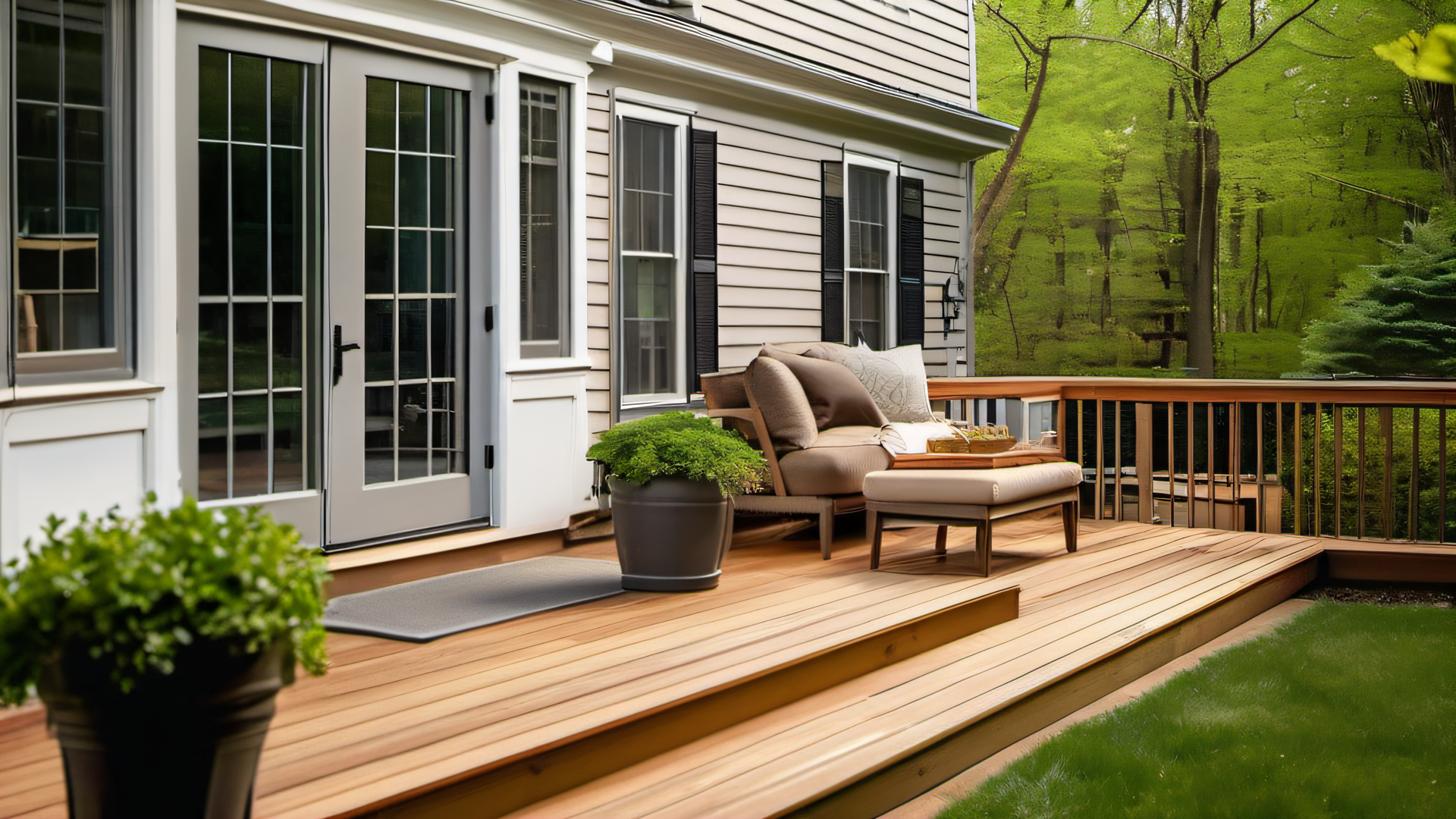
Wood decks trap moisture in the grain over winter and develop algae and mildew in the gaps between boards. Before staining or sealing, the deck needs a thorough wash at 500 to 600 PSI — softer than siding because wood is more easily damaged. Our complete guide to deck staining covers the full prep process.
3. Driveways and walkways
Concrete and pavers can handle more — 1,800 to 3,000 PSI — and benefit from cleaning after winter salt and sand treatment. Not a paint prerequisite, but worth doing while equipment is on-site.
How Long to Wait Before Painting
This is where Massachusetts homeowners get impatient in spring. The window feels short — you want to get paint on before the summer calendar fills up — but painting over wet wood or siding is one of the most reliable ways to cause early failure.
General waiting times after pressure washing:
- Vinyl siding: 24 to 48 hours in dry conditions
- Wood siding or trim: 48 hours minimum, up to 7 days if the wood is old and porous or if humidity is high
- Concrete and masonry: 24 hours in good drying conditions
Wood should read below 15% moisture content before paint goes on — something we check with a moisture meter on every job. In a wet spring, that wait can stretch longer than expected, which is one reason scheduling early in the season matters. Read more about timing in our guide on exterior painting temperature and timing in Massachusetts.
New England Humidity Makes This More Important Here
MetroWest homeowners deal with a specific combination of conditions that accelerates surface contamination: humid summers, freeze-thaw cycles that stress siding and wood, and the tree cover that shades many homes in towns like Sherborn, Dover, and Medfield. Shaded north-facing walls in particular can develop visible algae growth within a season.
Annual pressure washing of the full exterior is worth the cost here — not just as prep for painting, but as general maintenance. Professional house washing in the Boston metro runs $600 to $700 for a 1,500 to 2,000 square foot home. Deck washing runs $90 to $140. Driveway cleaning typically lands at $200 to $280.
DIY vs. Hiring a Pro
For driveways and low concrete surfaces, a rental pressure washer works fine if you're comfortable with the equipment. For siding and decks, the risk of DIY goes up — wrong pressure on vinyl can force water behind panels, and too much pressure on wood raises the grain and creates a rough surface that absorbs stain unevenly.
If you're prepping for a full exterior paint job, the safest call is to have it done professionally as part of the painting scope. We include pressure washing in our exterior paint quotes — it's not a separate line item, it's part of doing the job correctly.
Frequently Asked Questions
Do you have to pressure wash before painting a house?
Yes. Paint applied over mildew, chalking, or dirt bonds to the contamination rather than the surface. The result is premature peeling — typically within 2 years instead of 7 to 10. Pressure washing is a non-negotiable prep step for any exterior paint job done right.
How long after pressure washing can you paint?
Wait 24 to 48 hours for vinyl siding, and at least 48 hours for wood — longer if the wood is old or if spring humidity is high. Wood should read below 15% moisture content before paint is applied.
What PSI is safe for vinyl siding?
1,300 to 1,600 PSI. Higher pressure risks forcing water behind panels or damaging the surface. Wood surfaces should be washed at 500 to 600 PSI — significantly softer than concrete or masonry.
How much does pressure washing cost in Massachusetts?
Professional house washing runs $600 to $700 for a typical 1,500 to 2,000 square foot home in the Greater Boston area. Deck washing runs $90 to $140, and driveway cleaning typically costs $200 to $280.
How often should you pressure wash your house in New England?
Annually is the right cadence for most MetroWest homes, particularly on shaded north-facing walls where algae and mildew accumulate fastest. High-humidity zones near trees or water may benefit from cleaning every 6 to 8 months.
If you're planning exterior painting this spring and want to know what prep your home actually needs, give us a call at (774) 217-9567 — we're happy to take a look before you schedule anything.
Related Reading
Dave Griffiths
Dave Griffiths is the owner of Paint Pro New England, a professional painting company serving MetroWest Boston since 2011. With 15+ years of interior and exterior painting experience across the region, he leads every project with thorough prep, premium Benjamin Moore and Sherwin-Williams paints, and a 2-year warranty.

