



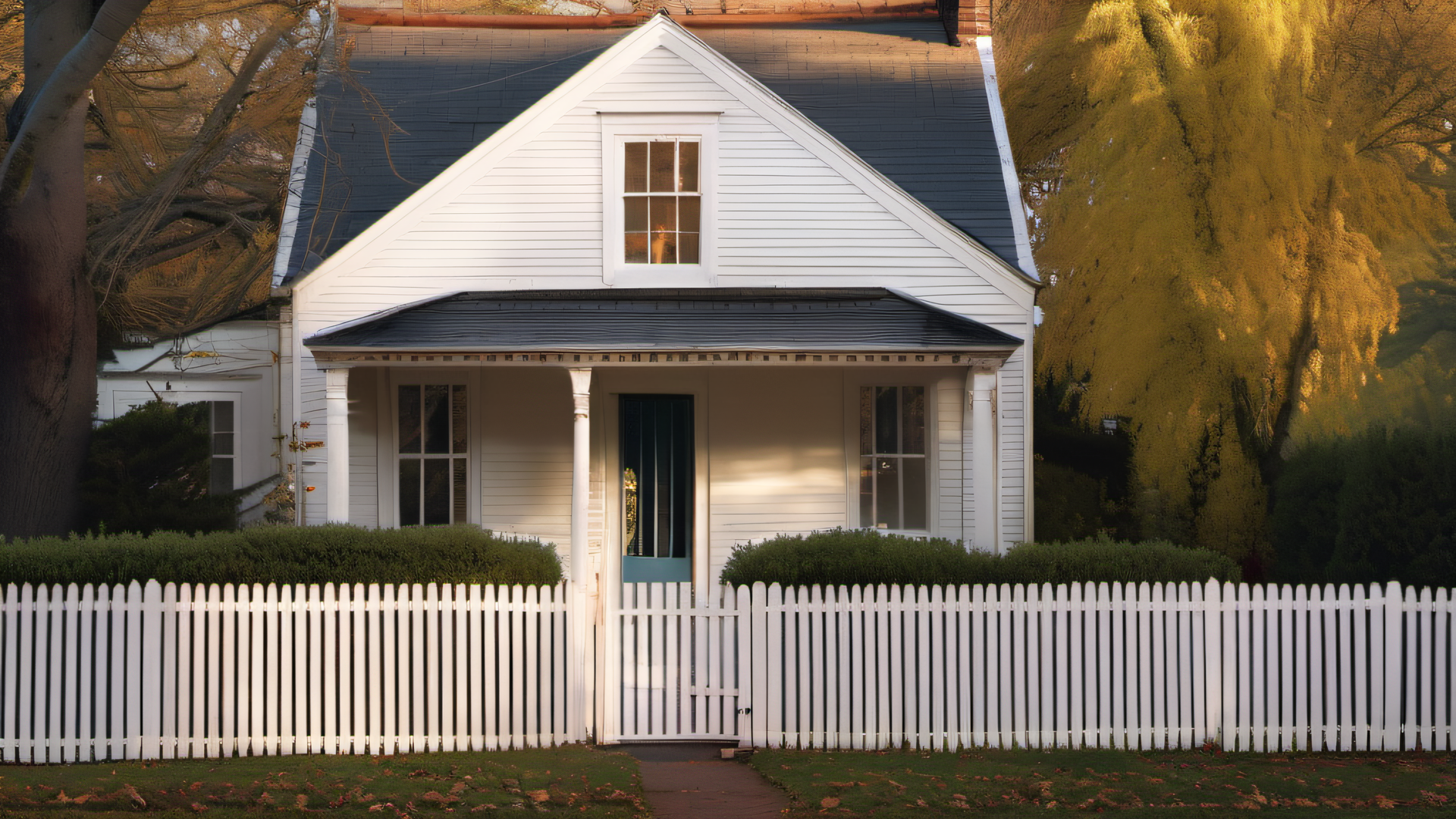
TL;DR: Walk your exterior now and note any peeling, failed caulk, or mold. Exterior painting in MetroWest can start reliably in late April once daytime temps hold above 50°F and nights stay above 35°F. Spring booking slots fill fast — if you're planning exterior work, get on the schedule now.
April is when most homeowners in Medway, Wellesley, and Framingham start noticing what winter did to their house. The light changes, you walk outside, and suddenly the siding looks rough in a way you didn't notice in January.
That's not coincidence. New England winters are hard on exterior paint. Freeze-thaw cycles, ice dams, and months of trapped moisture do real work on a paint film. Spring is when the damage shows up — and when the window to fix it opens.
Here's what to look for, when you can actually start, and how to get your home ready.
Walk Your Exterior First
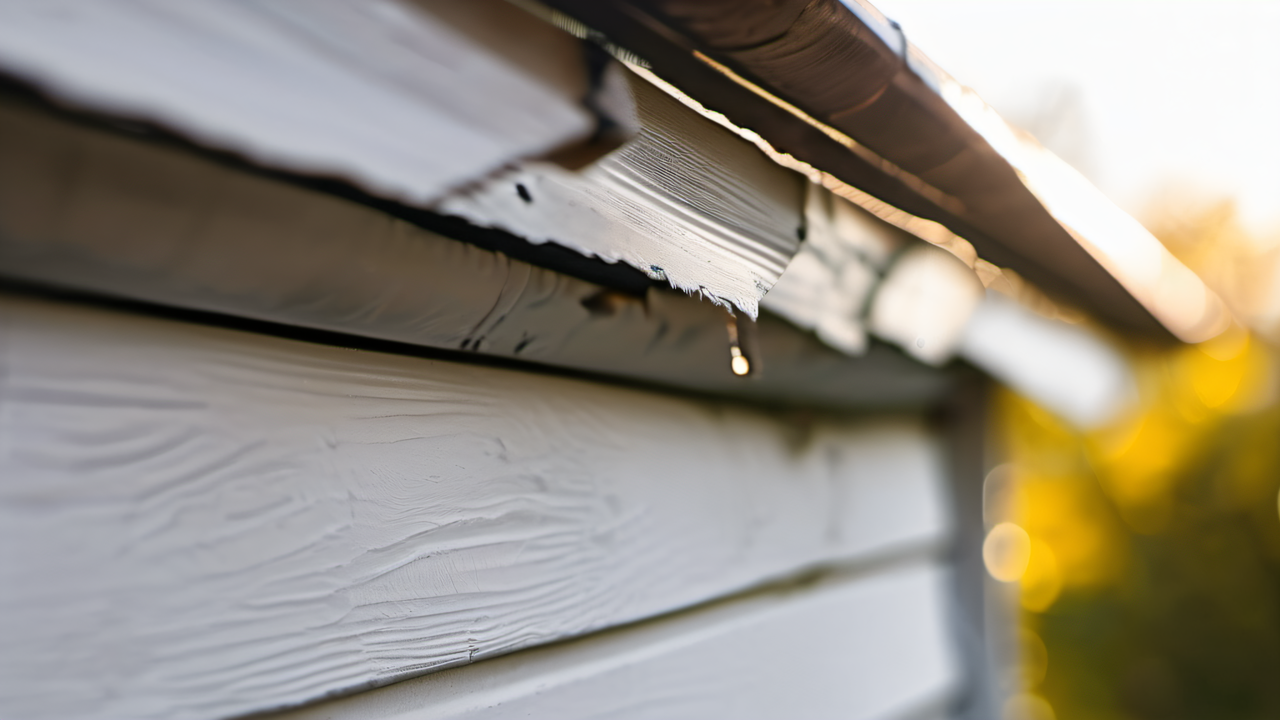
Before you call anyone, do a slow walk around the house. You're looking for five things:
- Peeling or blistering paint — usually a sign that moisture got behind the film over winter. Check north-facing walls and anywhere near gutters or downspouts first.
- Cracking or flaking — paint that couldn't bond through repeated freezes starts separating once it warms up. Fine cracks across a flat surface are different from deep cracks at joints, which may mean movement in the wood underneath.
- Dark streaks or green patches — mold and mildew, most common on shaded walls. Needs to be treated before any painting happens.
- Failed caulk — check around every window, door frame, and corner board. Caulk that's cracked, pulled away, or missing is an open path for water.
- Soft or spongy wood — press on trim boards and sill plates. If there's give, there's rot, and that needs to be addressed before paint.
Write it down or take photos as you go. This becomes your contractor conversation — and it helps you prioritize if you're not painting everything at once. For more on what winter damage actually looks like and why it happens, our post on why some paint jobs fail in two years covers the root causes.
When Can You Actually Start Painting Outside?
This is the question we get most in April. The answer depends on the paint and the conditions — not just the calendar.
Standard exterior latex requires air and surface temperatures above 50°F and nights that stay above 35°F for at least 48 hours after application. Applying paint when daytime highs are above 50°F but nights drop below 35°F is one of the most common mistakes — the paint film can't cure properly and you risk adhesion failure.
Benjamin Moore and Sherwin-Williams both make cold-weather formulas — Benjamin Moore's ben® Exterior and Sherwin-Williams Duration, Emerald, and SuperPaint — rated for application down to 35°F. These give us more flexibility in early spring, but the overnight minimum still applies.
For MetroWest Boston, the practical window looks like this:
- March: Generally too cold and too wet. Surface temps rarely hold above 50°F consistently.
- April: Workable on warmer days, but inconsistent. Morning dew and overnight freezes remain a risk through mid-month. We watch the forecast closely.
- Late April through June: The reliable exterior painting window. April, May, and June are the most consistent months for exterior work in this region.
The surface itself also needs to be dry for at least two days before we start — not just the forecast, but the actual wood. Spring rain can push start dates even when temps are right.
We have a full breakdown of seasonal timing in our guide to the best time to paint your house exterior in Massachusetts.
Get Your Exterior Ready Before Painters Arrive
A painting crew showing up to a prepared house moves faster and costs less. Here's what makes a real difference:
- Trim shrubs and branches. Anything within a foot of the siding needs to be pulled back. We can't paint behind a shrub growing into the clapboard.
- Clear the perimeter. Furniture, planters, grills, hoses — move them away from the house. We'll protect what can't move, but cleared space means a cleaner job.
- Note any repairs. If you found rot, cracked boards, or loose trim on your walk, tell us before we start. Painting over damaged wood is a short-term fix that fails fast.
- Finalize your color. Test swatches in different light — morning, afternoon, overcast. Color looks different on a chip than on a full wall. Make this decision before the crew shows up, not while they're standing there.
- Plan for access. We'll need parking and access to all sides of the house. Let us know about any gate codes or HOA restrictions in advance.
For a full interior prep list, our guide on how to prepare your home for professional painters walks through both exterior and interior projects.
Interior Projects Worth Tackling This Spring
Spring isn't only about the outside. The same impulse that sends you outside to check the siding usually also makes you notice the scuffed hallway and the kitchen that's looked the same since 2018.
The most common interior projects we see in spring:
- Living rooms and bedrooms — a full repaint is the fastest way to reset a space. Trending this year: warm neutrals, earthy taupes, soft clay tones — colors that hold up in the variable New England light.
- Cabinet refinishing — a fraction of the cost of replacement, and spring is ideal timing since low-VOC paints cure best in well-ventilated conditions.
- Trim and ceiling refresh — often overlooked, but fresh white trim changes how clean a room feels even when the walls stay the same color.
- Rooms coming off a renovation — if you had work done over the winter, spring is the natural time to paint the result.
Interior work can be scheduled any time of year, but spring availability tends to go faster than people expect — especially if you're also trying to coordinate exterior timing.
Book Earlier Than You Think You Need To
This is the part most homeowners underestimate. By mid-April, painting contractors across MetroWest are booking into June. If you want exterior work done in May — which is prime season — you need to be on the schedule now, not after you've made your final color decision.
You don't need to have everything figured out to get a date locked in. A quick conversation and a walkthrough is enough to hold a spot.
Frequently Asked Questions
When is it warm enough to paint the outside of a house in Massachusetts?
Exterior painting can start reliably in late April in MetroWest Boston, once daytime temperatures hold above 50°F and overnight lows stay above 35°F consistently. April, May, and June are the most reliable months for exterior work in this region.
What exterior paint problems show up after a New England winter?
The most common issues are peeling and blistering from freeze-thaw moisture cycles, cracking and flaking from repeated cold, failed caulk around windows and trim, and mold or mildew on north-facing walls. A spring walkthrough usually reveals all of them.
How far in advance should I book a painter for spring exterior work?
Book 3–4 weeks ahead minimum. In MetroWest Boston, quality painters fill their May and June schedules by mid-April. If you have a specific window in mind, get on the schedule before you've finalized every detail.
Can painters work in April in Massachusetts?
Yes, on the right days. April weather in MetroWest is inconsistent — warm stretches are workable, but overnight freezes and morning dew can delay starts. Cold-weather formulas from Benjamin Moore and Sherwin-Williams extend the window, but the surface still needs 48 hours of temperatures above 35°F to cure properly.
If you're ready to get on the schedule or want a second set of eyes on what winter did to your exterior, give us a call at (774) 217-9567. Spring spots fill fast, and we're happy to do a quick walkthrough before you commit to anything.
Related Reading
Dave Griffiths
Dave Griffiths is the owner of Paint Pro New England, a professional painting company serving MetroWest Boston since 2011. With 15+ years of interior and exterior painting experience across the region, he leads every project with thorough prep, premium Benjamin Moore and Sherwin-Williams paints, and a 2-year warranty.

