



TL;DR: After a Massachusetts winter, inspect your exterior for peeling, cracking, bare wood, failed caulk, and mildew — especially on south- and west-facing walls. Catching damage early, before bare wood weathers, keeps a repaint to a normal 5–7 year cycle instead of costly wood repair. Free estimate: (774) 217-9567.
Every Massachusetts winter takes a toll on your home's exterior paint. Freeze-thaw cycles, ice dams, wind-driven snow, and months of moisture exposure all work together to break down even the best paint jobs. The question isn't whether your paint took damage — it's how much.
Late February is a good time to take a walk around your house and look for the warning signs. Catching problems early means smaller repairs and less prep work when painting season arrives. Here's what to look for.
Peeling and Flaking Paint
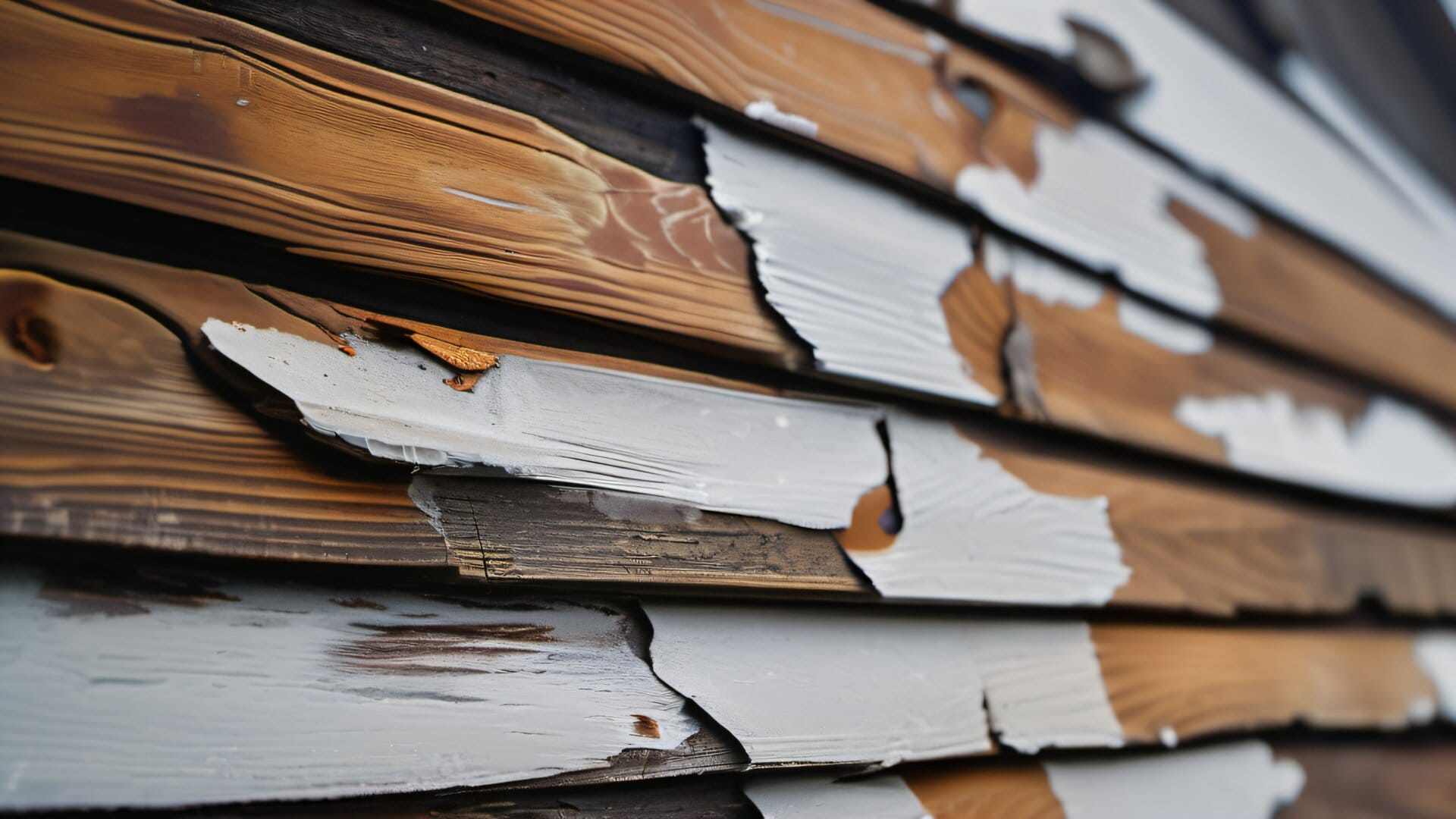
This is the most visible sign of winter damage. Moisture seeps into hairline cracks in the paint film, freezes, expands, and pushes the paint away from the surface. After enough freeze-thaw cycles, the bond breaks and the paint starts to curl, crack, and flake off.
Where to look first:
- Window and door trim — joints and corners where two pieces of wood meet are the most vulnerable
- South and west-facing walls — these get the most temperature swings (warm sun during the day, freezing at night)
- Horizontal surfaces — window sills, railings, and porch floors where snow and ice sit
For a deeper look at why paint peels and what to do about it, see our guide on why house paint peels.
Cracked and Missing Caulk
Caulk is your home's first line of defense against moisture at joints and seams. After a Massachusetts winter, it's common to find caulk that's cracked, shrunken, or pulled away entirely. This is especially true on homes where the caulk is more than 5–7 years old.
Check around every window, door, and trim joint. If you can see daylight or feel a draft, the caulk needs replacing. This is a standard part of the prep work we do before any exterior paint job.
Wood Rot and Soft Spots
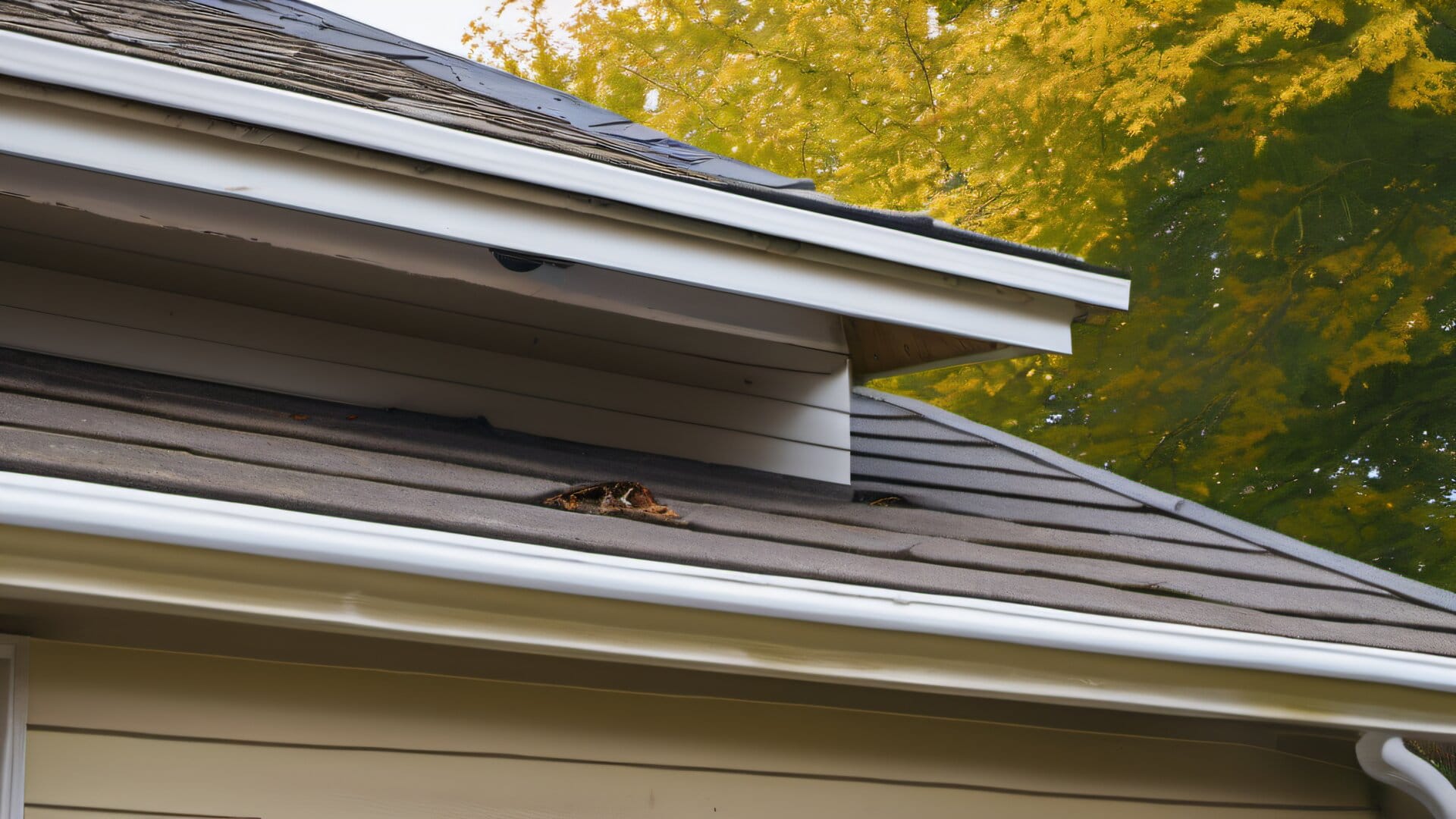
Once paint fails and moisture reaches bare wood, rot starts. In Massachusetts, this process accelerates during the freeze-thaw season because water gets forced deep into wood grain.
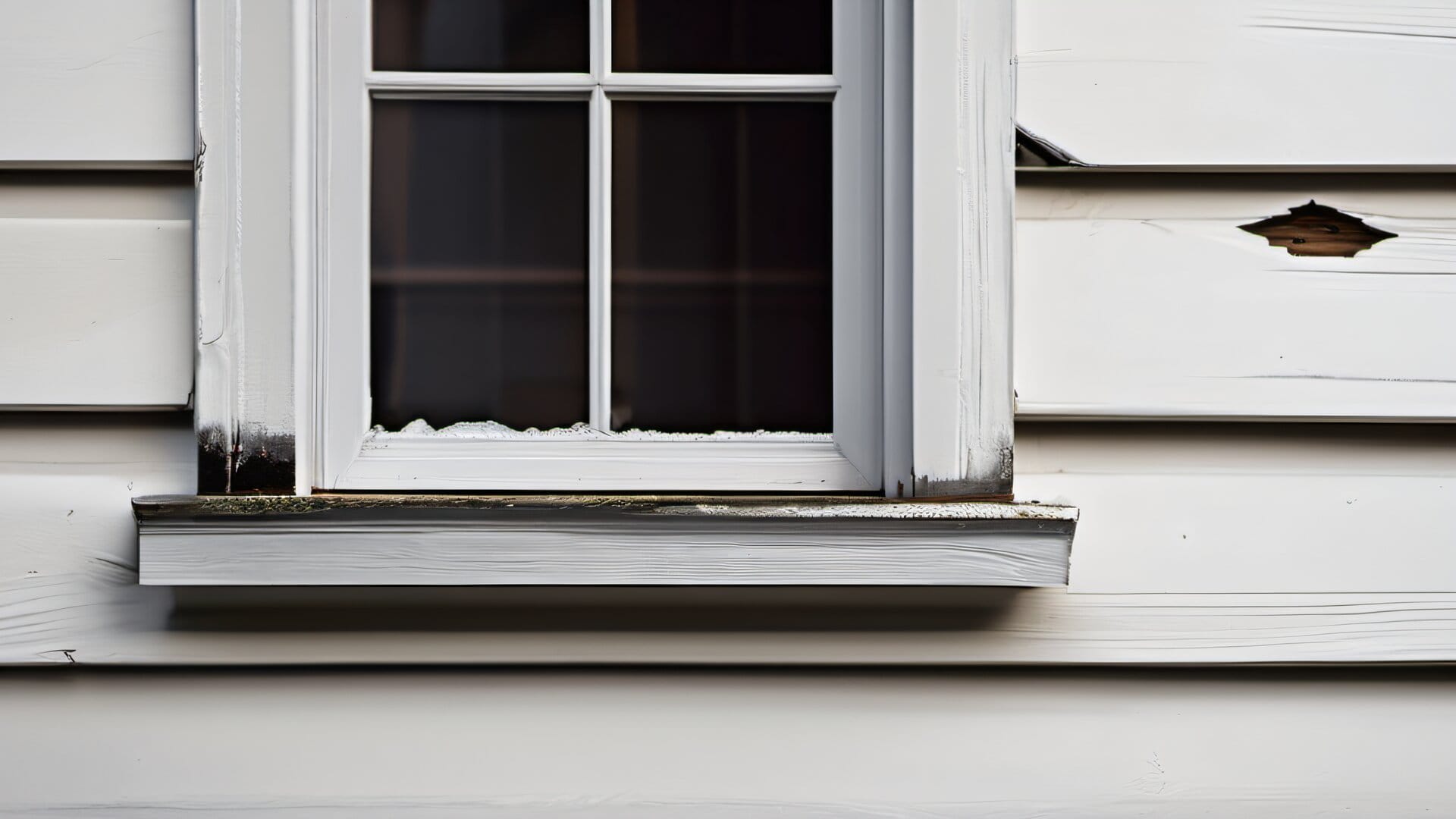
Press your thumb or a screwdriver into any area where paint has peeled. If the wood gives or feels spongy, that's rot. Common trouble spots:
- Fascia and soffits — especially below areas where ice dams form
- Window sills — where snow and ice accumulate
- Bottom edges of door trim — where splash-back from rain and snowmelt hits
- Porch columns and railings — constant exposure with limited drainage
Small rot spots can be repaired with epoxy wood filler as part of a paint job. Larger areas may need the damaged wood replaced before painting.
Mildew and Dark Staining
North-facing walls and areas under tree canopy are prone to mildew growth, especially after a wet winter. Look for dark gray or black patches on siding or trim. Mildew needs to be killed and removed before repainting — painting over it just traps it under the new coat.
A TSP wash or dedicated mildewcide treatment handles this during spring pressure washing.
Fading and Chalking
Run your hand across your siding. If you get a chalky white residue on your fingers, the paint's binder is breaking down. This is normal aging accelerated by UV exposure and weather, and it means the paint is nearing the end of its useful life. Our post on how long exterior paint lasts in New England covers the typical timelines.
Your Spring Action Plan
Once you've done your walkthrough, here's how to prioritize:
- Urgent: Exposed bare wood or active rot — these need to be addressed before spring rain makes them worse
- Soon: Widespread peeling or failed caulk — plan a paint job for the May–June window
- Monitor: Minor chalking or fading — you have time, but start planning for next season
For a complete pre-painting walkthrough, our spring painting checklist covers everything step by step.
Frequently Asked Questions
When should I inspect my home's exterior after winter?
Late February or early March is ideal — after the worst freeze-thaw cycles but before spring rain arrives. This gives you time to plan and schedule any needed work for the prime painting months of May through October.
Can I paint over peeling exterior paint?
Not directly. Loose and peeling paint must be scraped, sanded, and primed before new paint goes on. Painting over failed paint will just result in the new coat peeling too — usually within a year or two.
How do I know if paint damage is cosmetic or structural?
Press the wood behind any failed paint with a screwdriver. If it's firm, the damage is cosmetic and can be handled during a standard repaint. If the wood is soft or punky, you're looking at rot that needs repair before painting.
What's the most common cause of exterior paint failure in Massachusetts?
Moisture. Whether from freeze-thaw cycles, ice dams, poor caulking, or inadequate prep before the last paint job, water behind the paint film is responsible for the vast majority of peeling and blistering we see on MetroWest homes.
Need a Professional Assessment?
If your walkthrough turns up more than minor wear, give us a call at (774) 217-9567. We'll come take a look and give you an honest read on what needs attention now versus what can wait. Request a free estimate.
Related Reading
Dave Griffiths
Dave Griffiths is the owner of Paint Pro New England, a professional painting company serving MetroWest Boston since 2011. With 15+ years of interior and exterior painting experience across the region, he leads every project with thorough prep, premium Benjamin Moore and Sherwin-Williams paints, and a 2-year warranty.

