



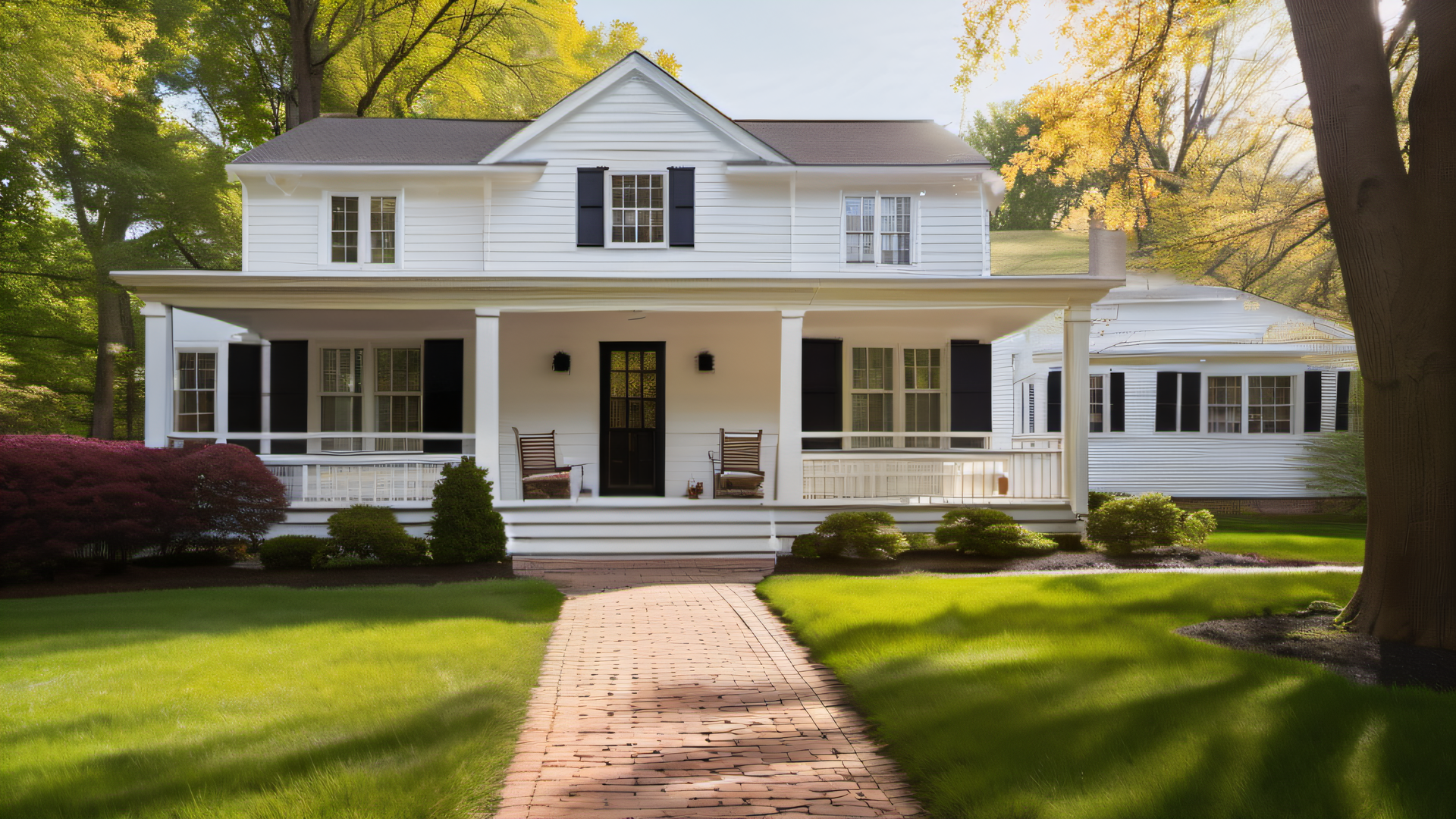
TL;DR: Paint rental units every 3–5 years on a fixed cycle rather than at every turnover. A full interior repaint runs $1,200–$4,500 for most MetroWest units. Book spring and summer slots now — painters in this area fill up 2–4 weeks out by April. Pre-1978 buildings have specific lead paint obligations under Massachusetts law that affect how you hire and who you hire.
If you manage rental properties in MetroWest Boston, you've probably been in this situation: a tenant moves out, you walk the unit, and you're staring at scuffed walls, grimy trim, and a lease start date three weeks away. You call a painter. They're booked until June.
The fix isn't finding a faster painter. It's planning far enough ahead that you're never scrambling. Here's how we approach painting schedules for property managers we work with across Medway, Natick, Framingham, and Wellesley.
How Often Should You Repaint a Rental Unit?
The industry standard is every 3–5 years for rental properties, though a quality paint job on properly prepped walls can last 5–7 years. Most landlords repaint on tenant turnover — but that approach gets expensive fast if you have high turnover.
A fixed-cycle schedule (every 4 years regardless of who moves in or out) tends to be more cost-effective than repainting every time a tenant leaves. It lets you:
- Negotiate a standing relationship with a painting contractor at a predictable price
- Plan your capital expenses annually instead of reacting to vacancies
- Catch surface problems before they become substrate problems
That said, if a unit has lived-in abuse — actual damage beyond normal wear — a targeted repaint between tenants makes sense. More on what counts as "damage" versus "wear" below.
What a Turnover Repaint Costs in MetroWest
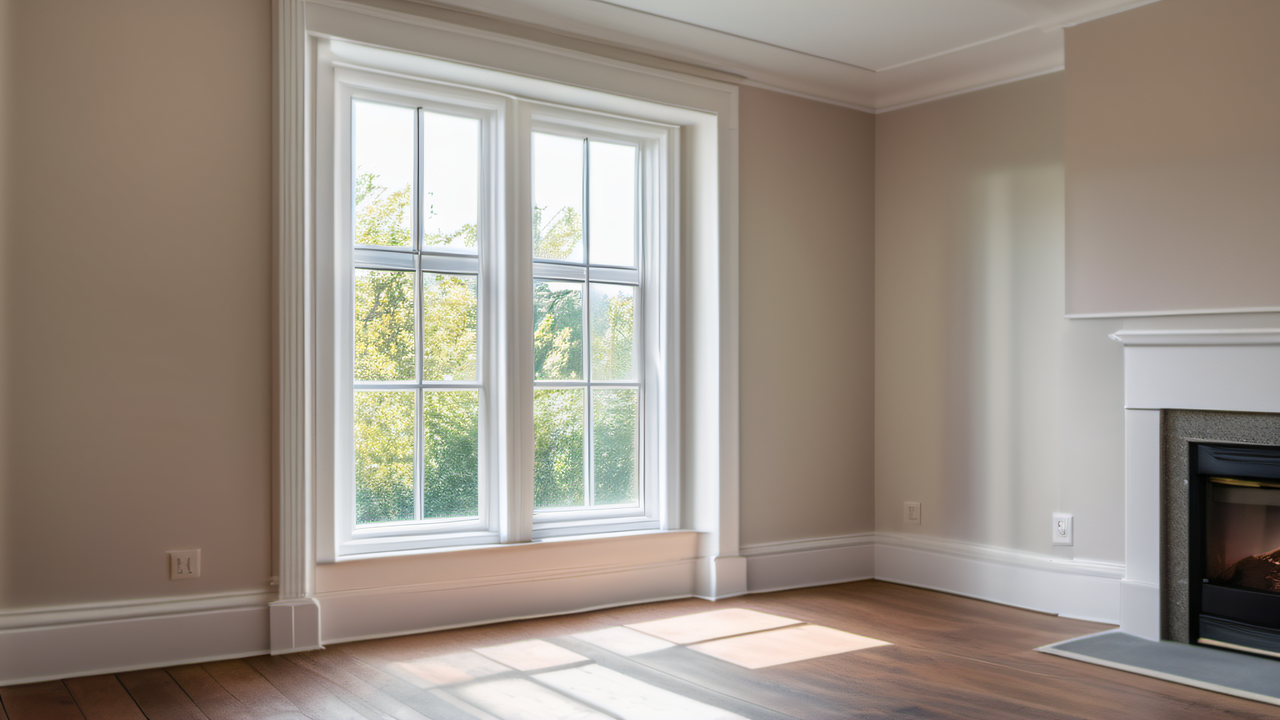
Here's what a typical full interior repaint runs in the Boston metro area in 2026, based on current market rates:
| Unit Size | Estimated Cost |
|---|---|
| Studio / 1BR apartment | $1,200–$2,800 |
| 2BR apartment | $2,000–$4,500 |
| Per square foot (interior) | $2–$6/sq ft |
| Per room (walls, ceiling, trim) | $700–$1,500 |
These ranges reflect standard neutral repaints — same color throughout, no accent walls, walls in reasonable condition. Color changes, heavy patching, or significant prep work will push toward the higher end. Units in pre-1978 buildings requiring lead-safe RRP protocols can run $8.00/sq ft or more.
Labor makes up 70–85% of total painting cost, which means it matters who you hire and how ready the unit is when they show up. A painter who spends two hours on patching that you could have handled beforehand is an expensive patch. See our guide on why prep work drives most of the cost and quality of a paint job for more on that.
For a broader breakdown across project types, our Massachusetts house painting cost guide covers everything from single rooms to full exteriors.
Massachusetts Lead Paint Law: What Property Managers Need to Know
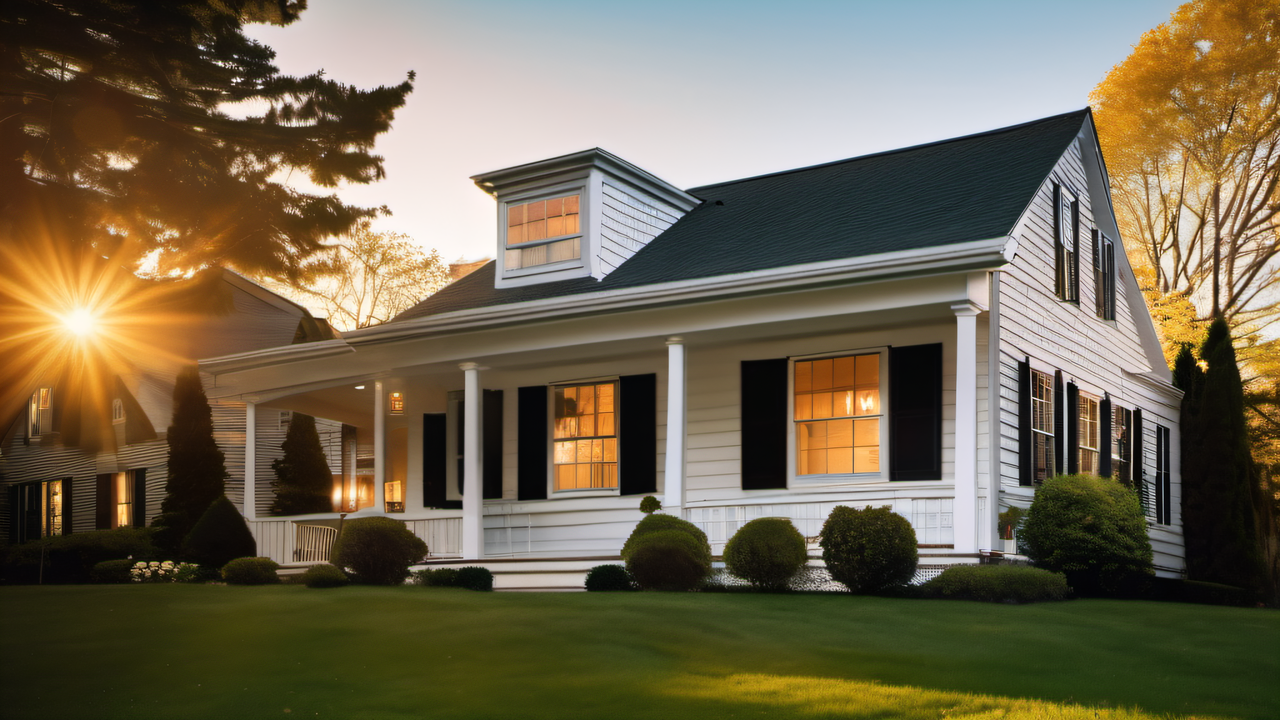
This is the part that catches property managers off guard. Under Massachusetts General Law Chapter 111, §197, any building built before 1978 is presumed to contain lead paint. That presumption has real consequences:
- If a child under 6 moves in, you must hire a licensed lead inspector and — if hazards are found — a certified deleading contractor. Strict liability applies.
- Before any rental agreement in a pre-1978 property, you must provide the Tenant Lead Law Notification and Certification Form and any existing inspection reports.
- Contractors disturbing lead paint must follow EPA Renovation, Repair, and Painting (RRP) rules. This applies to painting too — not just full deleading.
We are EPA RRP certified, which means when we work on pre-1978 properties in your portfolio, we follow proper containment and disposal procedures. If you're working with painters who aren't certified for lead-safe work, you may be taking on liability you don't realize.
What You Can (and Can't) Charge Tenants For
Massachusetts law draws a clear line between normal wear and actual damage — and that line affects your security deposit claims.
Normal wear and tear (you absorb it):
- Gradual fading or yellowing from sunlight
- Minor scuffs and small nail holes from hanging pictures
- Slight color dulling after a multi-year tenancy
Tenant damage (you can document and pursue):
- Large holes in walls
- Crayon, marker, or crayon damage
- Stains from smoke, grease, or pet accidents requiring more than standard repainting
- Unauthorized color changes requiring additional coats to cover
The Massachusetts Attorney General's office is clear: charging tenants for routine repainting due to normal wear is generally not enforceable under state security deposit law. Document condition at move-in and move-out with dated photos. If a turnover repaint is needed primarily because of damage, that documentation is what makes the claim stick.
Minimizing Vacancy Time During a Repaint
Every extra day a unit sits empty costs you money. Here's how property managers we work with keep turnaround tight:
- Book before the lease ends. Spring and summer are peak season across MetroWest — we're typically booked 2–4 weeks out by mid-April. Lock in a date while your current tenant is still in place.
- Coordinate move-out and paint start back-to-back. Walk the unit on day one, painters in on day two. Don't let a unit sit empty for a week before work starts.
- Use fast-dry, low-VOC paint. Benjamin Moore Natura and Sherwin-Williams Emerald both dry faster than standard latex and allow re-occupancy sooner. They cost more per gallon but save time.
- Standardize your neutral. If you use the same base color across all your units, we don't have to match and blend — we just paint. Faster job, fewer coats, lower cost.
- Handle repairs before we arrive. Patching drywall, re-securing trim, and fixing water damage before painters show up keeps our time running on painting, not carpentry.
For units turning over outside peak season — fall or winter — interior work can often be scheduled faster and at slightly lower cost. Worth considering if you have flexibility in lease timing.
For more on what the hiring process looks like, our guide for hiring a painting contractor walks through what questions to ask and what to watch out for.
Frequently Asked Questions
How often does a landlord have to repaint in Massachusetts?
Massachusetts law doesn't specify a repainting schedule. The State Sanitary Code requires habitable conditions — peeling, flaking, or mold-affected paint is a code violation. Most landlords repaint every 3–5 years to stay ahead of these issues and maintain unit appeal.
Can I charge my tenant for repainting when they move out?
Only if the need for repainting goes beyond normal wear and tear. Gradual fading, minor scuffs, and small nail holes are not chargeable under Massachusetts security deposit law. Significant damage — staining, large holes, unauthorized color changes — can be documented and pursued.
Does lead paint law apply every time I repaint a pre-1978 property?
Yes. Any contractor disturbing lead paint in a pre-1978 building must follow EPA RRP rules — this applies to standard repainting, not just full deleading. If a child under 6 will be living in the unit, additional inspections and certified contractor requirements apply.
How far in advance should I book a painter for a spring turnover in MetroWest?
Book 3–4 weeks ahead minimum during April through August. Quality painting contractors in the MetroWest Boston area fill up within 2–4 weeks during peak season. Lock in your painter before your current tenant moves out if you have a hard lease start date.
If you're planning your painting schedule for the season and want to lock in dates across multiple units, give us a call at (774) 217-9567 — we work with a number of property managers in MetroWest and can usually accommodate multi-unit schedules that keep your turnaround tight.
Related Reading
Dave Griffiths
Dave Griffiths is the owner of Paint Pro New England, a professional painting company serving MetroWest Boston since 2011. With 15+ years of interior and exterior painting experience across the region, he leads every project with thorough prep, premium Benjamin Moore and Sherwin-Williams paints, and a 2-year warranty.

