



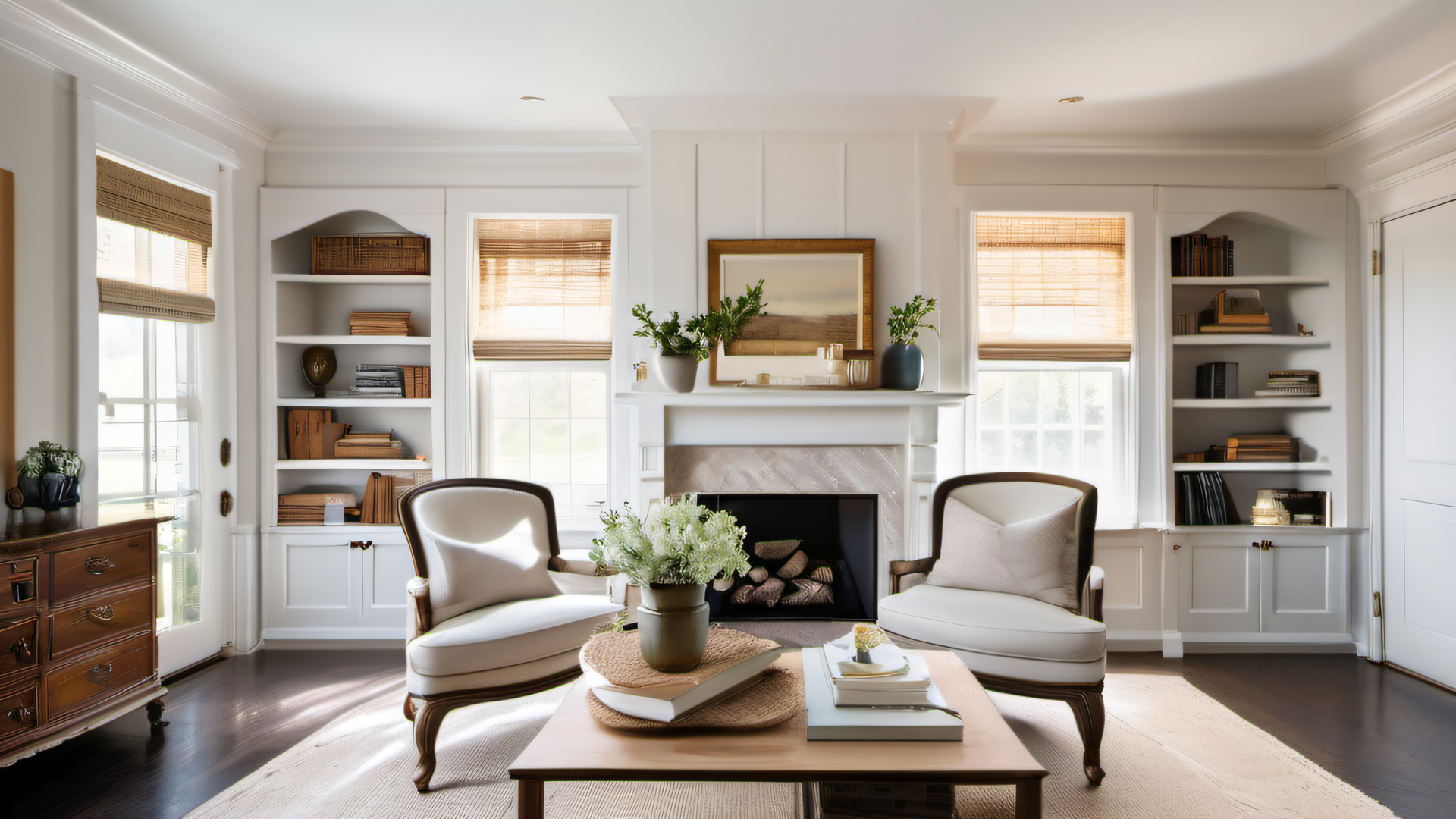
TL;DR: Removing wallpaper before painting is almost always the better long-term choice; wallpaper removal in Massachusetts costs about $200–$400 per room (or $600–$1,200 for larger, older jobs). Painting over wallpaper is cheaper up front but risks peeling seams and bubbling, especially on New England plaster walls with multiple layers. Free estimate: (774) 217-9567.
The wallpaper has been in that dining room since 1994. It's not your style, and you want it gone. The question is whether to pull it off entirely or just paint over it and move on.
We get asked this regularly — and the honest answer isn't always the easy one.
Quick answer: Painting over wallpaper works only if the paper is perfectly adhered with no loose seams, and only in dry rooms. In most cases, removal is the right call. Painting over wallpaper in a bathroom, kitchen, or older home almost always causes problems within a few years. Ninety-five percent of real estate professionals recommend removing it before selling.
Can You Paint Over Wallpaper?
Yes — but only under specific conditions. It works when the wallpaper is completely flat, with no bubbling, peeling, or loose seams, and only in rooms without significant moisture exposure. Kitchens, bathrooms, and mudrooms are almost never good candidates.
When it does work, you need an oil-based or shellac primer as the first coat — never water-based. Water-based primer activates the wallpaper adhesive and causes bubbling almost immediately. The shellac or oil primer locks everything down before the topcoat goes on.
Even under ideal conditions, you're accepting a few trade-offs: seams may show through paint no matter how well you prep, future buyers will likely discover it (home inspectors often flag it), and any moisture issue later will cause the whole thing to fail at once.
Why Removal Is Almost Always the Better Long-Term Choice
Removing wallpaper costs more upfront, but it eliminates every downstream problem painting over creates. Walls that have been properly stripped, repaired, and painted will outlast a painted-over surface by many years — and they won't surprise you mid-sale with bubbles or delaminating seams.
The resale data is clear: HomeLight research found that 95% of real estate professionals recommend removal over painting when preparing a home for market. Buyers at the $600K–$1M price point in Wellesley, Needham, and Dover can tell the difference — and they use it in negotiations.
In older New England homes, the case for removal is even stronger. Many MetroWest colonials from the 1950s–1970s have accumulated three to seven layers of wallpaper over plaster walls. Painting over all of that creates a surface that will eventually fail in ways that are expensive to fix.
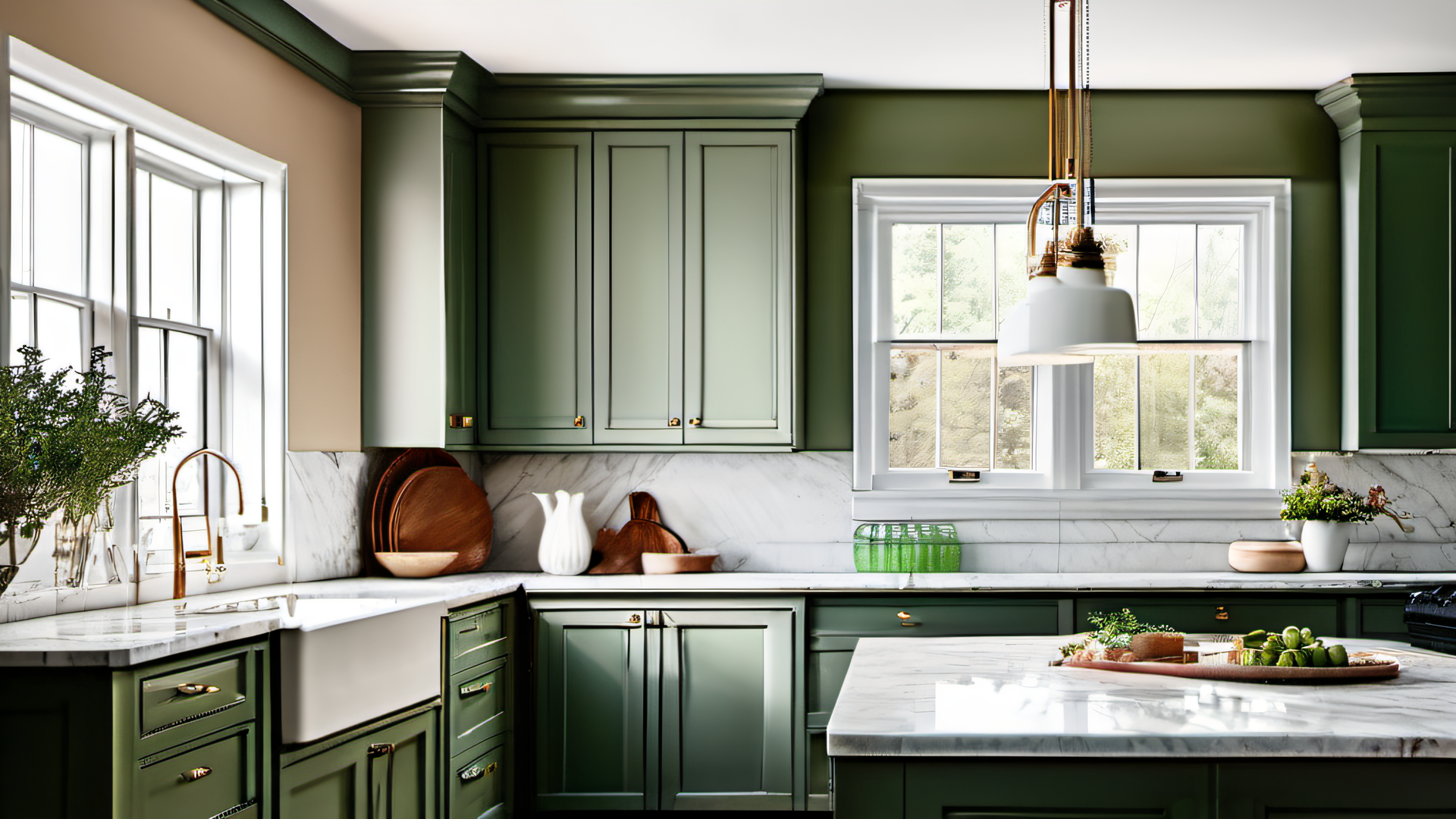
What Wallpaper Removal Costs in Massachusetts
Professional wallpaper removal runs $0.80–$3.00 per square foot depending on the number of layers and wall condition. A typical bedroom with a single layer of modern wallpaper might run $200–$400. A dining room with multiple older layers can run $800–$1,500 or more, not counting wall repair.
The variable no one talks about enough: wall repair after removal. Stripping wallpaper — particularly from plaster walls or drywall in older homes — almost always leaves surface damage. Torn paper facing, adhesive residue, small gouges. Those all need to be addressed before paint goes on.
For older homes with significant wall damage, skim coating is often the best solution: a thin layer of joint compound across the entire surface, sanded smooth and primed. Skim coating adds $1–$1.30 per square foot, or $600–$1,200 for a typical room. It sounds like an add-on, but it's what makes the final painted wall look like it was always painted — no texture ghosts or adhesive shadows showing through. We covered the full picture of prep work in our guide on removing wallpaper from older New England homes.
The New England Complication: Multiple Layers and Plaster Walls
This is where MetroWest homes are different from newer construction. A colonial built in 1958 in Medfield or Sherborn may have wallpaper that's been repapered over two or three times. The layers bond together and to the plaster substrate differently than modern drywall, and removal requires patience and the right technique to avoid damaging the wall underneath.
Steam removal works well for multiple layers and old adhesive. Chemical stripping is effective on single layers and more manageable sections. For plaster walls, lower moisture is better — plaster absorbs water and can soften or crack if oversaturated.
In 15 years of working in MetroWest homes, we've encountered walls behind wallpaper in every condition from mint to completely compromised. The only way to know what you're dealing with is to do a test strip in an inconspicuous corner before committing to the full room.
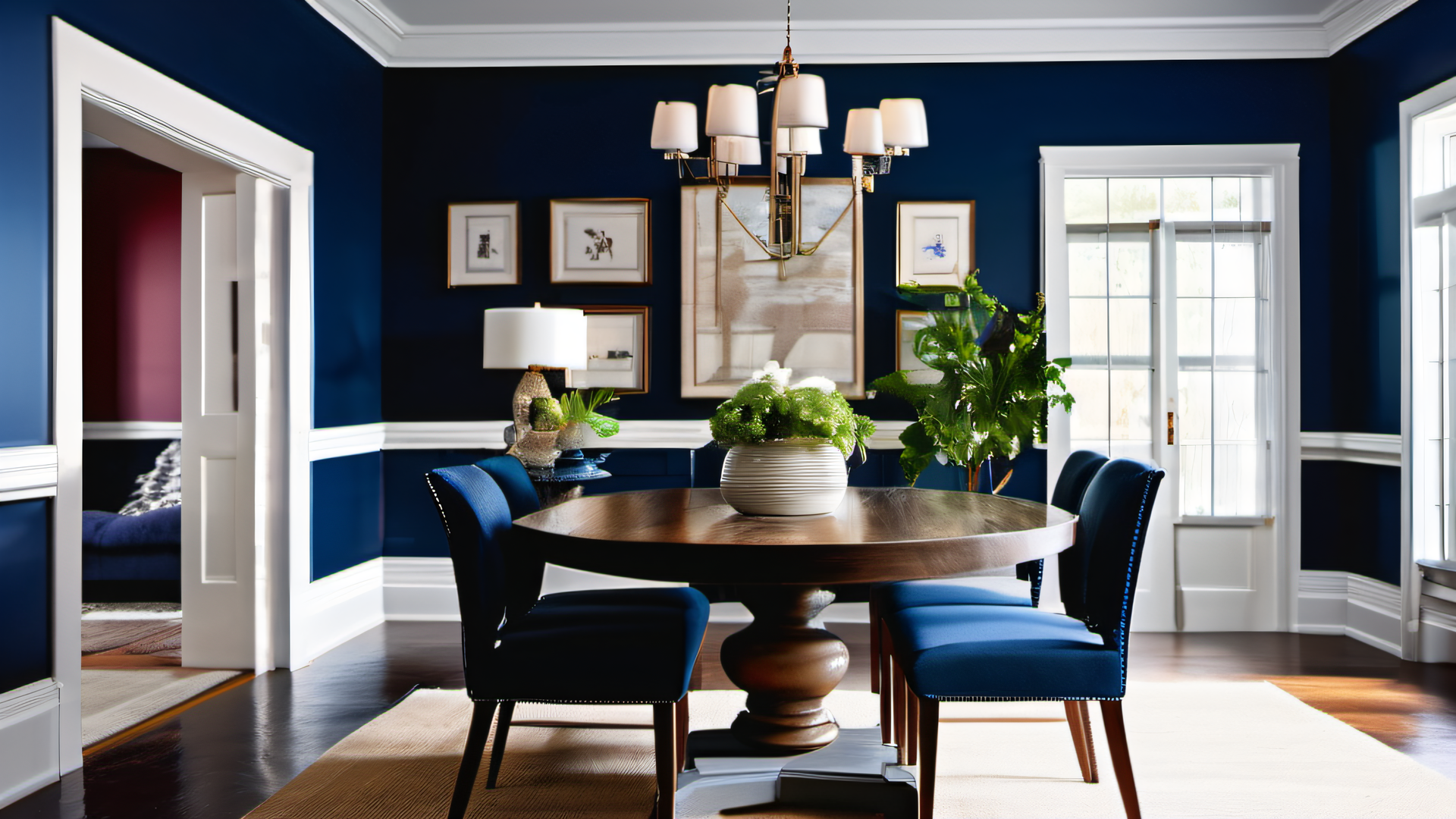
If You Do Paint Over Wallpaper
If removal truly isn't an option — the wallpaper is original to a historic home and removal would damage irreplaceable plaster, for instance — here's how to do it as well as possible:
- Re-adhere any loose seams with seam repair adhesive and let dry completely
- Fill any bubbles by slitting, re-gluing, and pressing flat
- Sand down any raised seams as much as possible
- Prime with an oil-based or shellac primer — not latex
- Apply two coats of topcoat, checking for bubbles after the primer dries
Avoid this in bathrooms, kitchens, or any room with steam, humidity, or temperature swings. Moisture is what causes painted-over wallpaper to fail, and New England winters guarantee moisture movement in exterior walls.
For guidance on the right paint for each room once walls are ready, see our guide on choosing the right paint finish for every room.
Frequently Asked Questions
Can you paint over wallpaper in Massachusetts?
Yes, if the wallpaper is completely flat with no loose seams and the room is dry. Use an oil-based or shellac primer — never water-based. Avoid painting over wallpaper in kitchens, bathrooms, or rooms with humidity. Most professional painters recommend removal for lasting results.
How much does wallpaper removal cost in Massachusetts?
Professional wallpaper removal runs $0.80–$3.00 per square foot depending on layers and wall condition. A typical room costs $200–$1,500 for removal, plus $600–$1,200 for skim coating if walls need repair afterward, which they usually do in older homes.
Does removing wallpaper increase home value?
Yes. Ninety-five percent of real estate professionals recommend removal before selling. Buyers in MetroWest Boston's $600K–$1M market notice painted-over wallpaper and use it as a negotiating point. Clean painted walls signal well-maintained, move-in-ready homes.
How many layers of wallpaper can you have in an older New England home?
Three to seven layers is common in MetroWest colonials from the 1950s–1970s. Each layer bonds differently and makes removal more complex. Steam removal works best for multiple layers; a test strip in a hidden corner before committing to the full room is always the right starting point.
Why can't you use latex primer over wallpaper?
Water-based latex primer activates the wallpaper adhesive, causing bubbling and lifting almost immediately. Oil-based or shellac primer seals the surface without introducing moisture, keeping the paper flat while providing a proper base for topcoats.
Not sure which direction makes sense for your project? We're happy to take a look and give you an honest assessment. Give us a call at (774) 217-9567.
Related Reading
Dave Griffiths
Dave Griffiths is the owner of Paint Pro New England, a professional painting company serving MetroWest Boston since 2011. With 15+ years of interior and exterior painting experience across the region, he leads every project with thorough prep, premium Benjamin Moore and Sherwin-Williams paints, and a 2-year warranty.

