



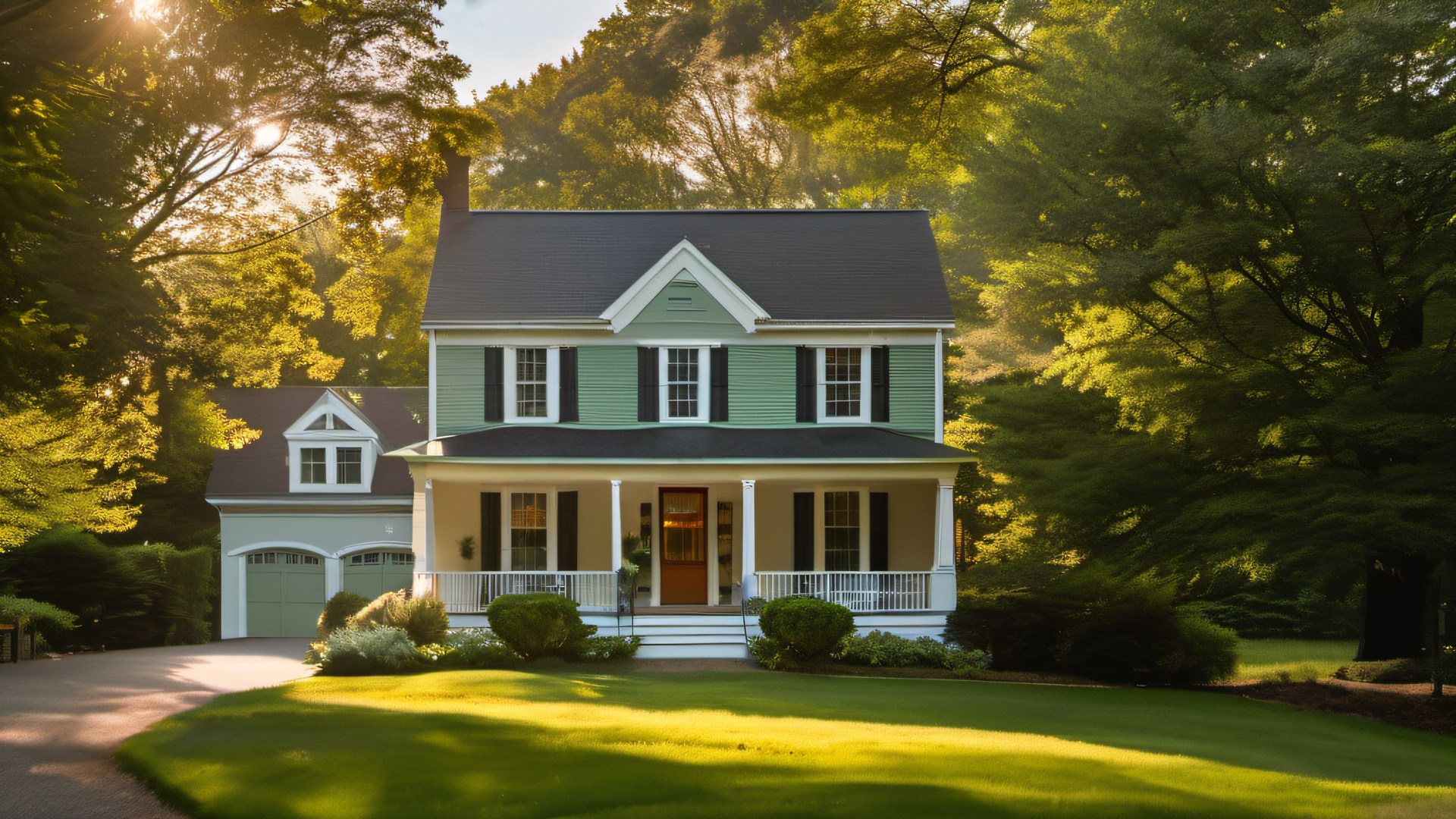
TL;DR: Yes, you can paint aluminum siding — and it's far cheaper than replacement. In Massachusetts, painting aluminum siding runs about $3,500–$16,000 depending on home size, after cleaning off chalky oxidation and priming bare spots. Done right with 100% acrylic paint, it lasts 10+ years. Free estimate: (774) 217-9567.
If your home was built between the late 1950s and early 1980s, there's a good chance it has aluminum siding. Across MetroWest Boston — in Medway, Framingham, Natick, and dozens of towns like them — aluminum-clad colonials and ranches are everywhere. And after 40-plus years, most of them look it.
The short answer: yes, you can paint aluminum siding, and in most cases it's a smart move. A professional paint job on structurally sound aluminum siding costs roughly half of what full replacement runs, and when done right, it lasts 10 to 15 years. But "done right" is doing a lot of work in that sentence.
Here's what we tell homeowners who ask us about it.
Why Aluminum Siding Fades (And Why It Looks Chalky)
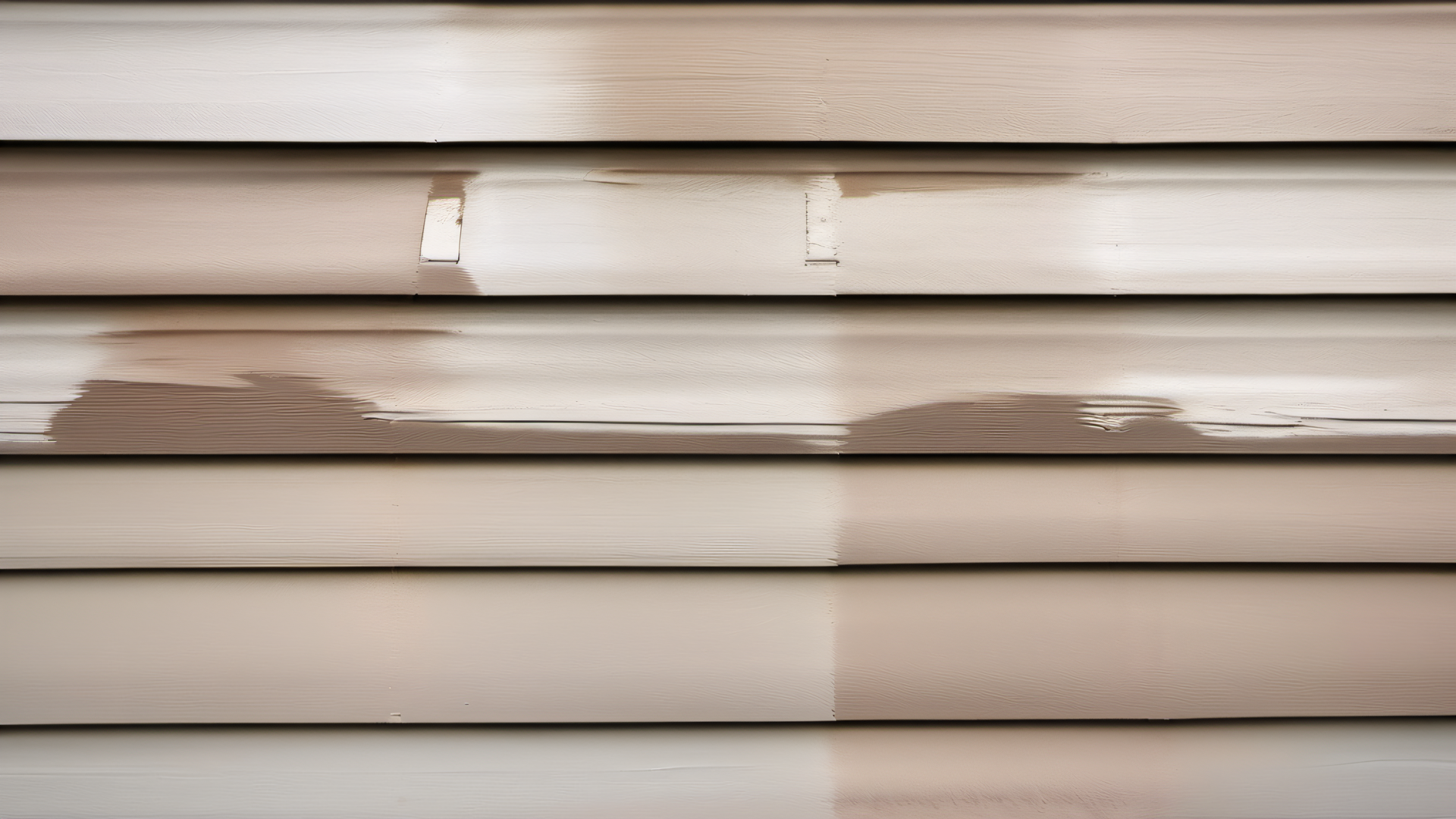
Aluminum doesn't rot, warp, or attract insects — that's why builders used so much of it. But the factory-applied paint coating breaks down over time. UV exposure degrades the binder that holds pigment to the surface, and the result is that white, powdery residue you can rub off with your hand. That's oxidation, and it's the single biggest reason aluminum-sided homes start looking tired.
In Massachusetts, the freeze-thaw cycle accelerates this process. Water gets into micro-cracks in the paint film, freezes, expands, and opens them wider. After a few decades of New England winters, the original finish is usually well past its useful life.
The good news: the aluminum underneath is almost certainly fine. If your siding isn't dented, corroded through, or pulling away from the house, painting is a practical and cost-effective way to get another decade or more out of it.
What It Costs to Paint Aluminum Siding in Massachusetts
Nationally, painting aluminum siding runs about $1.50 to $3.50 per square foot. In Massachusetts, expect to pay more. Boston-area labor costs run about 39% above the national average, and New England prep requirements — oxidation removal, caulking around older windows, priming bare metal — add time to every job.
For a typical MetroWest home, here's what the numbers look like:
- Single-story ranch (1,200–1,600 sq ft of siding): $3,500–$6,500
- Two-story colonial (2,000–2,800 sq ft of siding): $6,500–$11,000
- Three-story or large homes: $11,000–$16,000+
Compare that to full siding replacement, which typically starts around $15,000 and can exceed $25,000 for vinyl, or $30,000+ for fiber cement. If your aluminum is structurally sound, painting saves real money.
For a deeper look at exterior painting pricing across Massachusetts, our complete cost guide breaks it down by project type.
The Prep Work That Makes or Breaks the Job
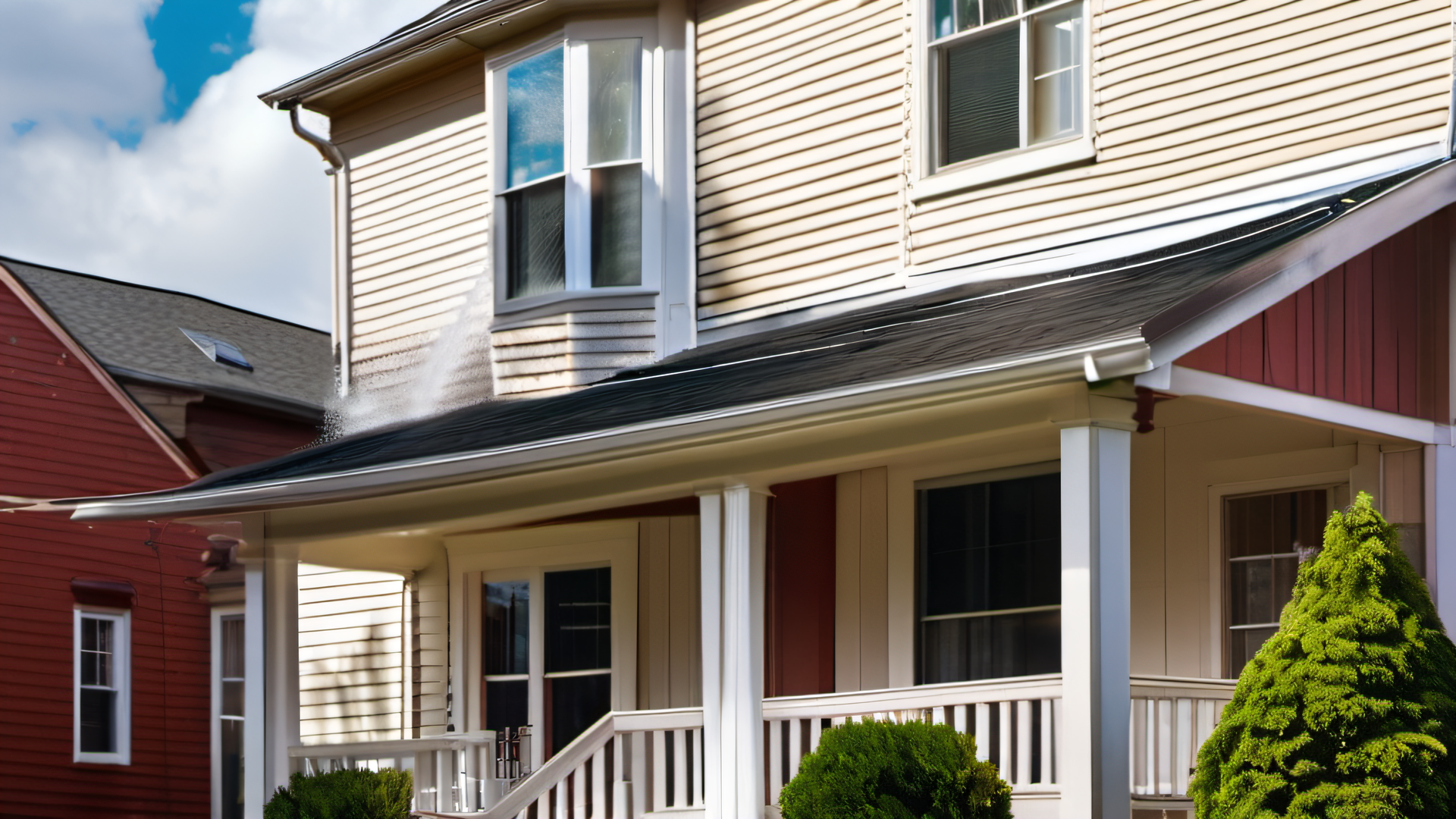
We've said it before: prep work is 80% of a great paint job. That goes double for aluminum siding. Skip the prep and your new paint will peel within two years. Do it right and you'll get a decade or more of clean, even coverage.
Here's what proper aluminum siding prep looks like:
1. Power Wash and Deoxidize
Every inch of siding gets pressure washed to remove dirt, mildew, and that chalky oxidation layer. For heavily oxidized surfaces, we use a TSP (trisodium phosphate) solution or a dedicated aluminum prep wash. The surface has to be clean down to sound material — any residue left behind means the primer can't bond.
2. Scrape and Sand Problem Areas
Anywhere the old paint is flaking, bubbling, or peeling gets scraped to a firm edge and sanded smooth. Aluminum dents easily, so this is hand work — no aggressive power sanding.
3. Caulk and Seal
Gaps around windows, doors, trim joints, and anywhere siding meets another surface get fresh caulk. On homes from the '60s and '70s, the original caulk is usually cracked or missing entirely.
4. Prime Bare Metal
Any spot where bare aluminum is exposed gets a coat of bonding primer before topcoat. This is critical — aluminum is non-porous, so regular paint won't grab it without primer. We use a high-adhesion acrylic primer designed for metal surfaces.
Choosing the Right Paint
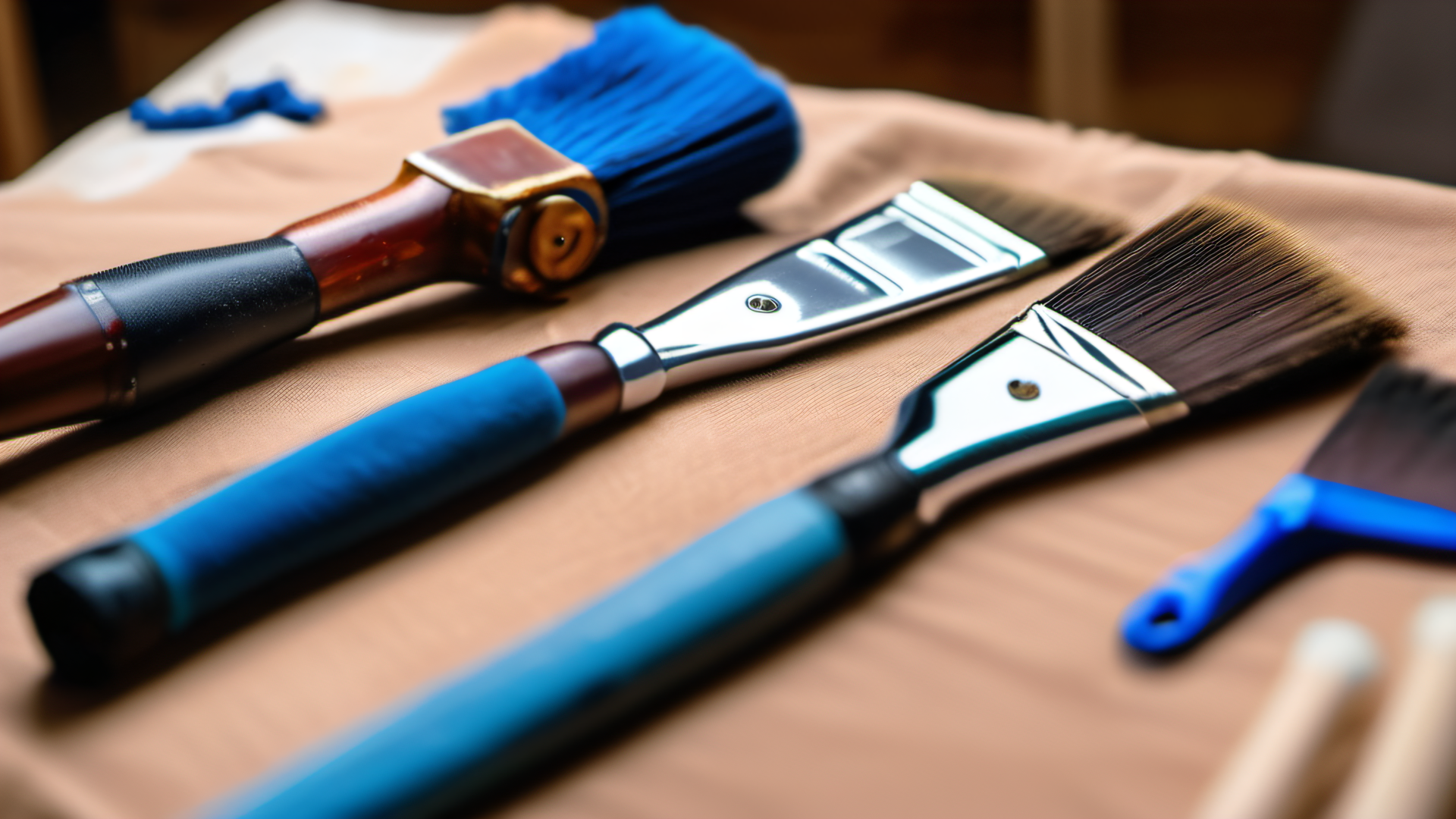
For aluminum siding in New England, the combination that works is:
- Primer: A high-adhesion bonding primer formulated for metal. This creates the mechanical grip that holds everything together.
- Topcoat: 100% acrylic latex exterior paint. Acrylic flexes with temperature swings — important when your siding expands in July heat and contracts in January cold. Two coats minimum.
Both Benjamin Moore and Sherwin-Williams make excellent options in both categories. If you're weighing the two, our comparison of both brands for New England exteriors covers the differences.
One important note on color: lighter shades perform better on aluminum. Dark colors absorb more heat, which causes the metal to expand and contract more aggressively. Over time, that thermal cycling stresses the paint bond and can lead to earlier failure. If you're set on a darker color, talk to your painter about heat-reflective formulations.
For current color trends that work well on aluminum, check out our 2026 exterior color guide for MetroWest homes.
Paint It or Replace It? How to Decide
Painting makes sense when:
- The siding is structurally sound — no widespread denting, corrosion, or panels pulling away
- You plan to stay in the home for at least 5–7 more years (enough time to recoup the investment)
- Your budget is $5,000–$12,000 rather than $20,000–$30,000
- You like the profile of your existing siding and just want a fresh look
Replacement makes more sense when:
- Multiple panels are dented, corroded, or damaged beyond repair
- There's moisture damage to the sheathing underneath
- You're already doing major renovations (windows, trim, insulation) and want to address everything at once
- The siding has been painted multiple times and is building up thick, unstable layers
We covered a similar decision for vinyl in our vinyl siding paint-or-replace guide — the logic is similar, though aluminum holds paint better than vinyl does.
How Long Will It Last?
With proper prep and quality materials, expect 10 to 15 years before the next repaint. That's on par with what you'd get from painting wood clapboard, and better than most vinyl siding paint jobs. For more on exterior paint longevity in our climate, see our breakdown of how long exterior paint lasts in New England.
The biggest variables are sun exposure (south- and west-facing walls fade faster), prep quality, and paint quality. A cheap job that skips the primer might look good for a year or two, then start chalking and peeling all over again.
Frequently Asked Questions
Can you paint aluminum siding that's already been painted?
Yes, as long as the existing paint is in reasonable condition. Loose or flaking paint needs to be scraped and sanded first, and any bare aluminum spots need primer. If the previous coat is sound and just faded, new paint adheres well over it after a thorough wash.
What's the best time of year to paint aluminum siding in Massachusetts?
Late May through early October gives the most reliable weather for exterior painting in Massachusetts. You need daytime temperatures between 50°F and 85°F with low humidity. Our spring painting checklist covers how to time your project.
Does painting aluminum siding increase home value?
Fresh exterior paint typically returns 50–60% of its cost at resale and significantly improves curb appeal. For aluminum-sided homes that look dated or chalky, the visual impact can be even more dramatic — it's one of the highest-ROI exterior improvements you can make.
Is it better to spray or brush-paint aluminum siding?
Professional crews typically spray aluminum siding for speed and even coverage, then back-brush to work the paint into seams and panel overlaps. Spraying alone can miss gaps and leave thin spots at edges. The combination gives you the best result.
Do I need to remove old paint before painting aluminum siding?
Not usually. You only need to remove paint that's actively failing — peeling, flaking, or bubbling. Sound, well-adhered old paint makes a fine base for new coats after washing and light sanding. Full stripping is only necessary when there are multiple thick, unstable layers built up over decades.
Ready to Talk About Your Aluminum Siding?
We've been painting homes across MetroWest Boston since 2011, and aluminum siding is one of the most common projects we take on. If your home's siding is looking chalky, faded, or just tired, give us a call at (774) 217-9567 or request a free estimate. We'll take a look and give you an honest read on whether painting or replacing makes more sense for your situation.
Related Reading
Dave Griffiths
Dave Griffiths is the owner of Paint Pro New England, a professional painting company serving MetroWest Boston since 2011. With 15+ years of interior and exterior painting experience across the region, he leads every project with thorough prep, premium Benjamin Moore and Sherwin-Williams paints, and a 2-year warranty.

