



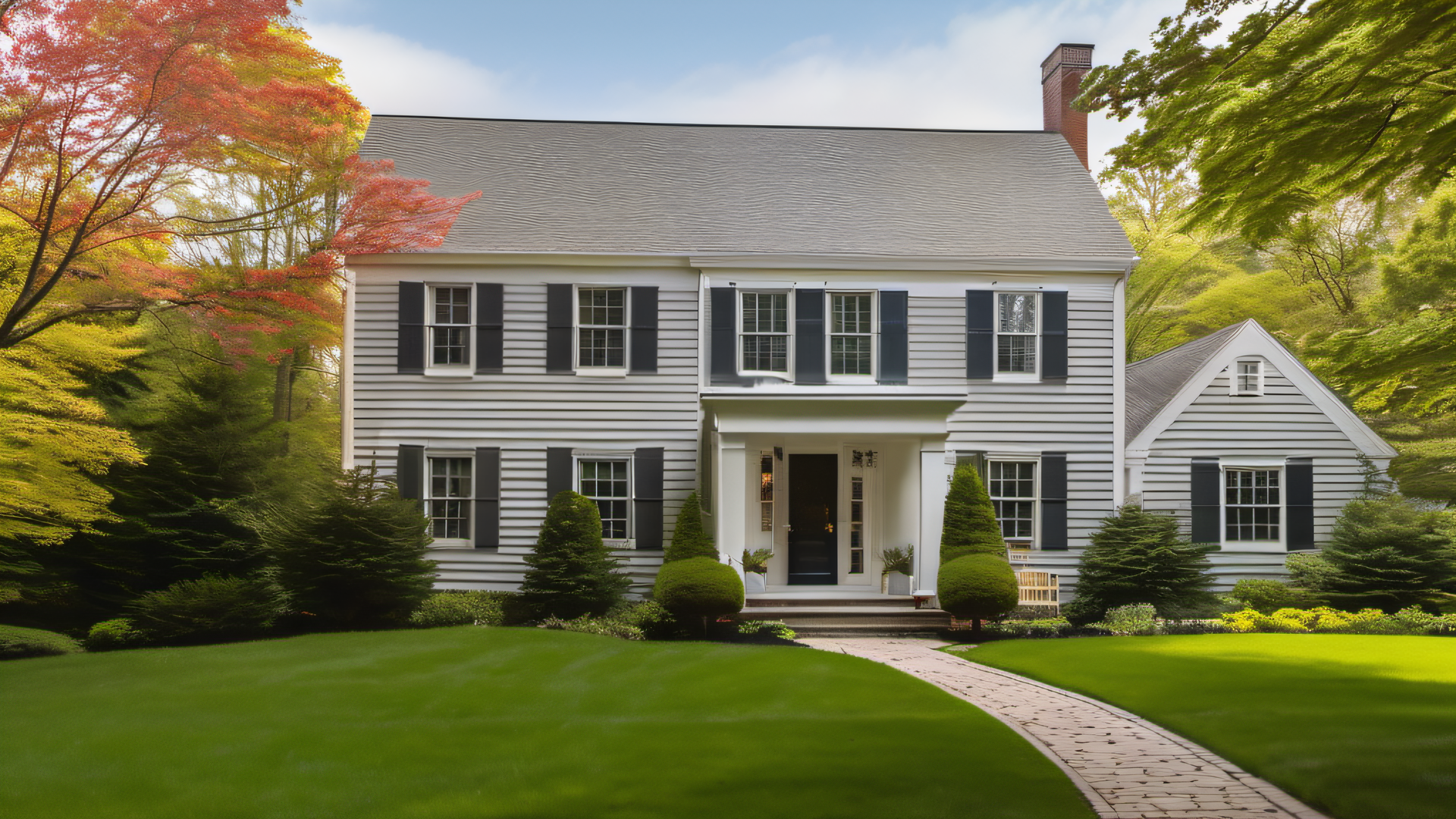
TL;DR: If your vinyl siding is structurally sound but faded, painting it is the far cheaper fix: roughly $2.81–$5.14 per square foot (about $4,000 for a typical 2,000 sq ft MetroWest home) versus $6–$24 per square foot to replace. The keys are thorough cleaning, vinyl-safe paint, and a color no darker than the original unless it is on a vinyl-safe palette with a light reflectance value (LRV) of about 55 or higher, so the panels do not absorb heat and warp. Replace only when the siding is cracked, brittle, or failing.
Want a straight paint-or-replace read on your house? Call or text Dave at (774) 217-9567. A walk-around tells us whether the vinyl will take paint, or whether replacement is the honest call.
It is one of the most common questions we hear in spring: the vinyl siding is faded, the color looks washed out, and the house does not have the curb appeal it used to. Is it worth painting, or is it time to replace? The honest answer depends on age and condition, and getting it wrong in either direction costs money.
Quick answer: If your vinyl is under 15 years old and structurally sound, painting is the cost-effective option. If it is over 20 years old, showing damage, or has moisture behind the panels, replacement usually delivers better long-term value.
Paint or replace vinyl siding: the decision at a glance
Use this as a first filter. The house still gets a hands-on look, because chalked vinyl that looks tired can paint beautifully, and vinyl that looks fine from the street can be brittle at the corners.
| Paint | Replace | |
|---|---|---|
| Typical cost, 2,000 sq ft MetroWest home | About $4,000 ($2.81–$5.14/sq ft) | $18,000–$30,000 ($6–$24/sq ft installed) |
| What you get | 5–10 years of fresh color | 20–40 years of new siding |
| Best when | Under 15 years, faded or chalky, panels tight | Over 20 years, cracked, warped, or wet behind |
| What a buyer reads | Maintained | Protected for the long haul |
That is a 4 to 7 times cost difference. For sound siding, painting is hard to argue against on price. Painting does not cancel the eventual replacement conversation. It buys a decade of curb appeal at a fraction of the cost.
How much does it cost to paint vinyl siding vs replace it?
Professionally painting vinyl siding in Massachusetts typically runs $2.81 to $5.14 per square foot, or about $4,000 on a 2,000-square-foot MetroWest home. Full replacement lands most projects between $18,000 and $30,000, depending on style and grade. Spread a paint job over a 5 to 10 year coat and you are in the low hundreds per year. Spread replacement over 20 to 40 years and the annual cost can look similar, but only if the existing vinyl is actually at the end of its life. If it is not, you paid for new siding you did not need yet.
The full exterior cost picture, including clapboard and trim, is in our Massachusetts house painting cost guide. Vinyl is usually on the lower-prep end of that range because you are not scraping wood.
When does painting vinyl siding make sense?
Vinyl is a good paint candidate when it is under 15 years old, the color has faded or chalked, the panels are not warped or cracked, and there is no moisture getting behind them. You also paint when you want a color change the factory never offered.
- The chalk test. Wipe a south-facing wall with a dry hand. White or colored dust on your palm is chalking, UV breakdown of the factory finish. That surface paints well once it is washed clean.
- Faded, not failed. Color washed out on the sun side, but the panels still lock, sit flat, and flex instead of snapping. That is paint territory.
- A color the mill never made. Factory vinyl palettes are limited. A vinyl-safe repaint is how Holliston and Wellesley colonials pick up a gray or greige the original siding never came in.
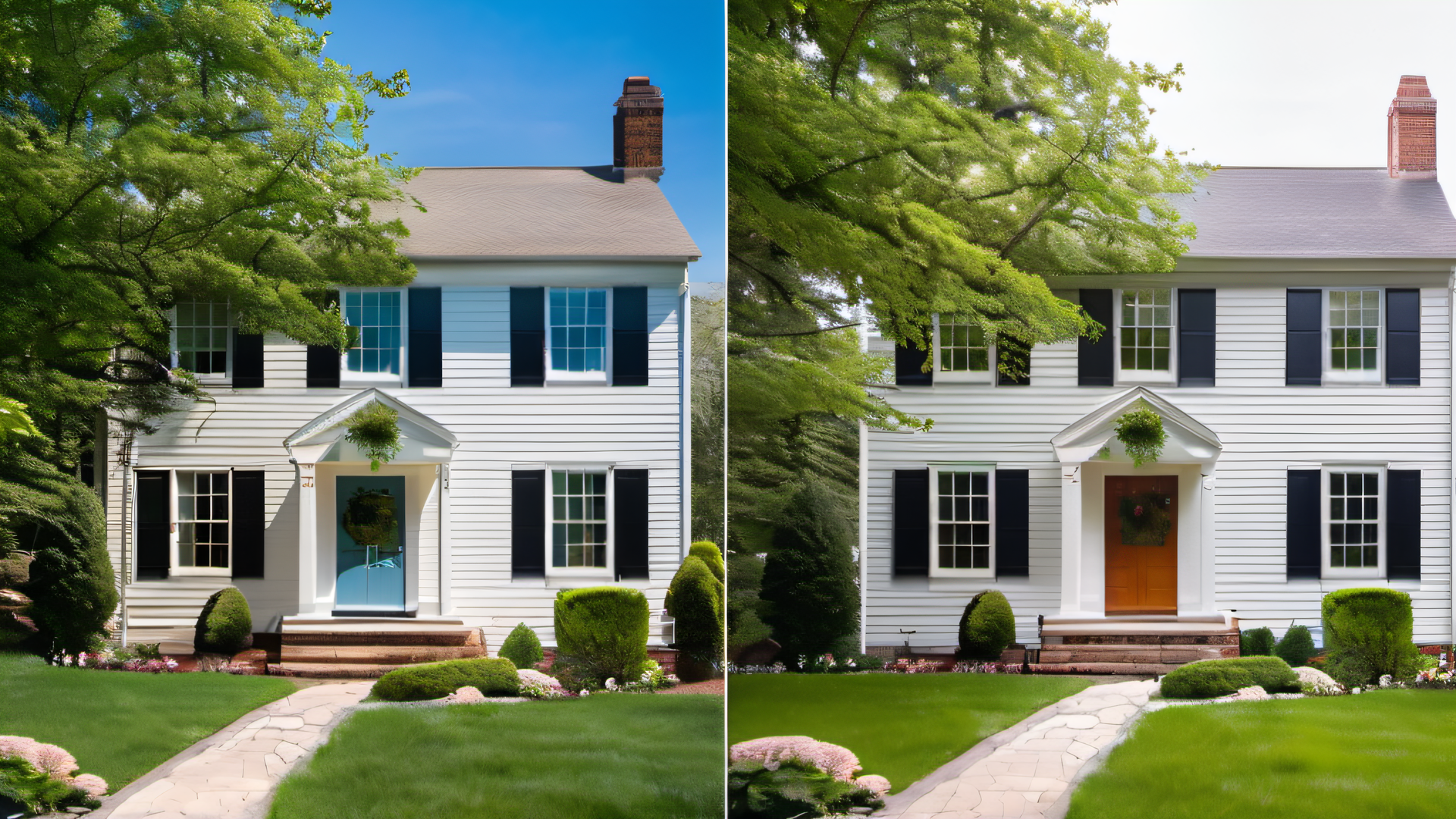
Faded vinyl just needs a clean surface and a coating that flexes with the plastic. Skipping that prep is what shortens a job, which is why we still treat it like the rest of our prep-first exterior work.
When should you replace vinyl siding instead of painting?
Paint covers color. It does not fix broken vinyl or a wet wall. Replacement is the right call when the siding is over 20 years old and structurally tired, panels are cracking, warping, or buckling, you are finding moisture, rot, or mold behind them, or gaps are letting air and water in.
New England freeze-thaw is hard on older vinyl. Cold makes it brittle. Summer sun expands it. Once a panel has been through enough of those cycles, it snaps at the nail slots or oil-cans between fasteners. Paint on top of that still moves with a substrate that is done. Replacement, installed with room to expand and contract, is the durable fix.
From a resale angle, new siding typically returns around 80% of its cost, and buyers read it as lasting protection. Painted siding reads as maintenance. Both are legitimate. They just signal different things when someone walks up the driveway.
Why do dark paint colors warp vinyl siding?
Dark colors absorb more sun. Vinyl is a thermoplastic. Heat it enough on a south or west wall and the panel expands past the point it can shrink back, then it buckles between the nails. Sherwin-Williams documents this as the usual cause of warped, previously painted vinyl: a darker repaint than the original color.
Two manufacturer rules we actually follow on MetroWest jobs:
- Do not go darker than the original unless the color is on a vinyl-safe palette. White, off-white, and pastels are the safe default.
- Watch LRV. Sherwin-Williams product data says not to paint vinyl darker than the original, or with an LRV under 56, unless you are using VinylSafe colors. Benjamin Moore's vinyl guidance uses the same idea with an LRV floor of 55 unless the color is from its vinyl-safe range.
VinylSafe is a list of about 100 colors, including some darker ones formulated to resist warping on sound, stable vinyl. It is not a free pass to paint a white 1990s ranch Iron Ore. The palette plus the original color plus the wall's sun load all have to agree. South- and west-facing walls in Needham and Natick take the afternoon hit. Those are the elevations where we get conservative.
Oil-based coatings are the other mistake. They do not flex with vinyl. We stay on 100% acrylic latex or acrylic urethane made for the substrate.
What paint should you use on vinyl siding?
You need an exterior acrylic formulated for vinyl, not a generic house paint. In our work that means Sherwin-Williams lines that accept VinylSafe colors (Duration, Resilience, Emerald, SuperPaint) or Benjamin Moore's vinyl systems: Regal Select Exterior REVIVE with Vinyl Lock, and the curated Colors for Vinyl palette. Primer is usually not required on clean, intact vinyl with an acrylic topcoat. Pitted, porous, or repaired spots do get a bonding primer. Bare plastic does not hold a finish the way chalked-but-sound vinyl does.
Always check the siding manufacturer's painting notes. Painting can affect the factory finish warranty. We would rather keep you inside those guidelines than chase a color that voids them.
Color ideas that still behave on vinyl, without going dark for the sake of a trend, overlap our 2026 New England siding color guide.
How do you paint vinyl siding so it lasts?
A vinyl job is mostly wash, inspect, and two coats in the right window. Rolling color over chalk is how a one-year failure starts.
- Thorough cleaning. Pressure-wash to remove chalk, mildew, algae, and film. Paint over contamination peels. Rinse until the runoff is clean, then let the siding dry.
- Inspect and replace failed panels. Cracked, warped, or missing pieces get swapped before paint. Painting a broken panel just highlights it.
- Prime only where needed. Bare spots, repairs, and heavily chalked patches get a bonding primer. Sound vinyl usually does not need a full prime coat.
- Two coats of vinyl-safe paint. Stay in the vinyl-safe / LRV rule. In Massachusetts we want the surface above about 50°F for standard acrylics (some formulas go to 40°F if it holds), and we keep rain off the film for 24 hours. The weather math is in our guide to exterior painting temperature requirements in Massachusetts.
Professionally painted vinyl typically looks good for 5 to 10 years before it wants a recoat. That cycle, and how it compares to wood and fiber cement, is in how often to repaint siding by material. New England sun and freeze-thaw are why those numbers are not national averages. See how long exterior paint lasts in New England.
How does vinyl compare with aluminum or fiber-cement siding?
Homeowners mix these up because all three can look like clapboard from the street.
- Vinyl is molded color. It does not need paint, but it accepts a vinyl-safe repaint for 5 to 10 years. Heat and dark colors are the risk.
- Aluminum chalks and dulls rather than peeling. It wants the chalk scrubbed off and a bonding primer. We cover that in painting aluminum siding in Massachusetts.
- Fiber cement (HardiePlank and similar) holds paint 10 to 15 years because the board barely moves. Factory ColorPlus is a different warranty conversation, which we walk through in painting HardiePlank and fiber-cement siding.
If you are not sure which product is on the house, we will tell you before we quote. The prep and the paint are not interchangeable.
Should you paint or replace vinyl siding before selling?
If the siding is in good shape, a fresh paint job is the faster, cheaper curb-appeal move. If the siding is at the end of its life, replacement is the signal buyers trust, and that roughly 80% cost recovery is why some sellers choose it. A 20-minute walk-around is enough to sort which story your house is telling.
Frequently Asked Questions
Can you paint vinyl siding in Massachusetts?
Yes. Sound vinyl can be painted with 100% acrylic latex or acrylic urethane made for vinyl. Prep and a vinyl-safe color (LRV around 55 or higher, or an approved vinyl-safe palette) matter more here than in milder climates because of freeze-thaw and summer sun.
How long does painted vinyl siding last?
A professional vinyl-safe repaint typically looks good for 5 to 10 years before fading or wear wants a recoat. New replacement vinyl lasts 20 to 40 years. Age and condition of the existing panels decide which number you should be shopping against.
How much does it cost to paint vinyl siding in Massachusetts?
Painting vinyl siding typically costs $2.81 to $5.14 per square foot, or about $4,000 for a 2,000-square-foot MetroWest home. Full replacement on the same house usually runs $18,000 to $30,000, four to seven times the paint price.
What happens if you paint vinyl siding too dark?
Dark colors absorb heat. Vinyl can expand, buckle, and pull at the fasteners, especially on south- and west-facing walls. Stay no darker than the original unless the color is on a vinyl-safe palette that meets the LRV 55/56 floor.
Do you need to prime vinyl siding before painting?
Usually no, if the vinyl is clean and intact and you are using a vinyl-rated acrylic. Prime repairs, bare plastic, and pitted or heavily chalked areas so the topcoat has something to grip.
Will painting vinyl siding void the warranty?
It can affect the siding manufacturer's finish warranty if you ignore their painting guidelines. We stay inside those notes, use vinyl-safe colors, and will tell you if a requested color is a warranty problem before we open a can.
Can you DIY paint vinyl siding?
You can wash and roll a small, single-story wall. Two-story work, color changes, and anything darker than the original is where the heat and adhesion mistakes show up. If you want a second opinion before you buy paint, call us.
Should I paint or replace vinyl siding before selling my home?
Paint if the siding is sound and just tired-looking. Replace if panels are failing or wet behind. Paint is the lower-cost curb-appeal move. Replacement is the longer-life signal, with roughly 80% of cost typically coming back at resale.
The bottom line
If the vinyl is tight, under about 15 years, and only faded or chalky, paint it with a vinyl-safe acrylic and respect the LRV rule. You spend about $4,000 instead of $18,000 to $30,000, and you get 5 to 10 years of a house that looks cared for. If the panels are over 20 years, brittle, warped, or wet behind, skip the paint and replace. That is the whole decision. Everything else is checking the walls so you do not pay for the wrong one.
Paint Pro New England has been painting MetroWest exteriors since 2011, including vinyl, aluminum, fiber cement, and wood across Holliston, Medway, Hopkinton, Sherborn, Dover, Wellesley, Natick, and the surrounding towns. Fully insured, 2-year warranty, 5.0 stars across 62+ reviews. For a free assessment and a straight paint-or-replace answer, call (774) 217-9567.
Dave Griffiths
Dave Griffiths is the owner of Paint Pro New England, a professional painting company serving MetroWest Boston since 2011. With 15+ years of interior and exterior painting experience across the region, he leads every project with thorough prep, premium Benjamin Moore and Sherwin-Williams paints, and a 2-year warranty.

