



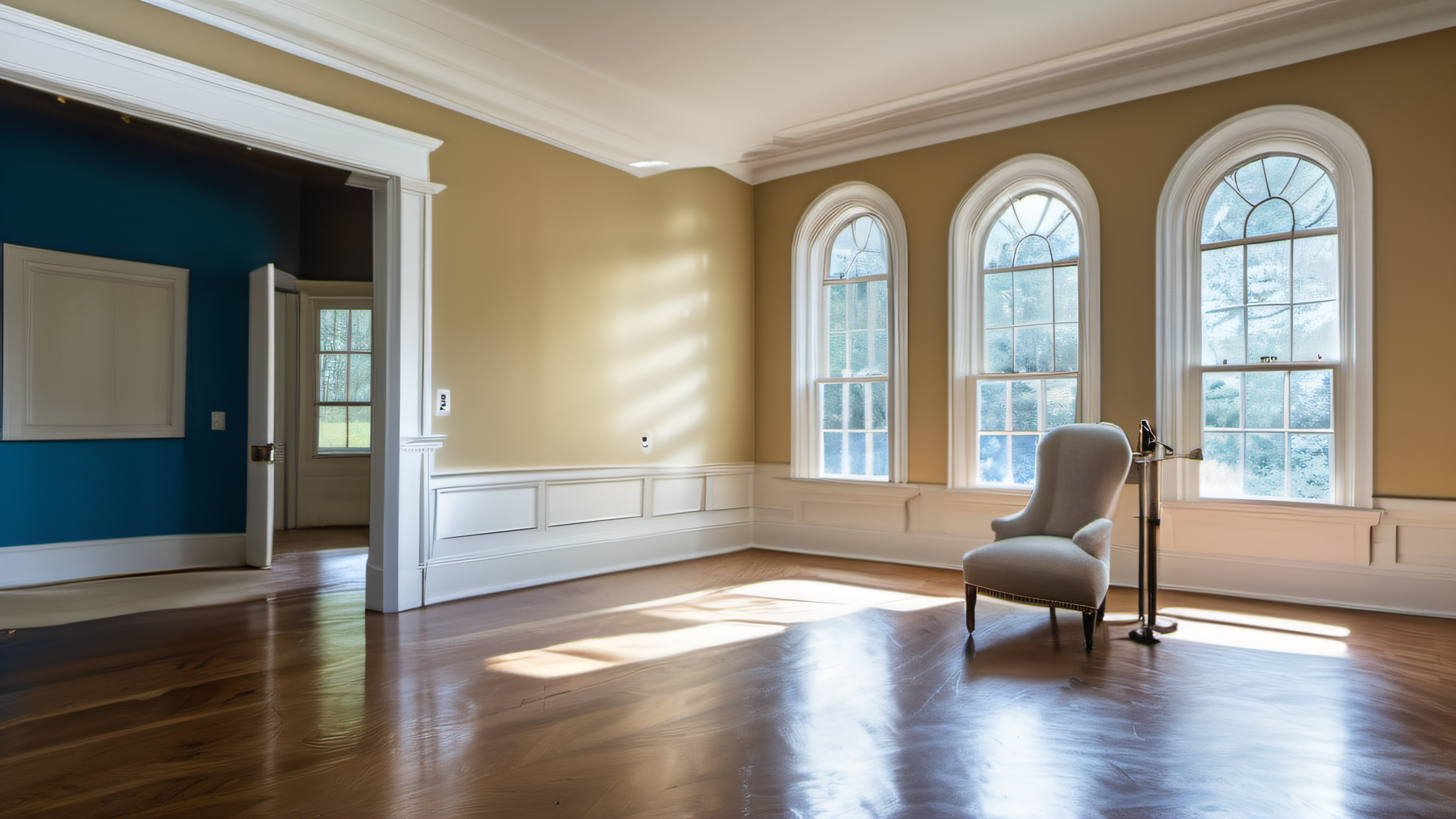
TL;DR: Before painters arrive, move or consolidate furniture, take items off the walls, give surfaces a quick clean, point out problem areas, and plan for kids and pets. You don't need to patch or prep-paint — that's the crew's job. A little prep saves billable time and protects your belongings. Free estimate: (774) 217-9567.
You booked a painter. The date is set. Now what? A little prep on your end can save hours of billable time, protect your belongings, and help the crew deliver a better result. Here’s what we recommend to every homeowner before we show up.
We’ve been painting homes across MetroWest Boston for 15 years, and the projects that go smoothest are always the ones where the homeowner spent 30–60 minutes getting things ready.
Move What You Can, Consolidate the Rest
Small items are easy — lamps, picture frames, books, anything on shelves or side tables. Box them up or move them to another room. For large furniture like sofas, beds, and dining tables, slide them toward the center of the room. We’ll cover everything with drop cloths, but the more space you give us along the walls, the faster and cleaner the job goes.
If you’re having multiple rooms painted, designate one room as the staging area. A quick rule of thumb: if you’d be upset to find a paint spatter on it, move it out of the room.
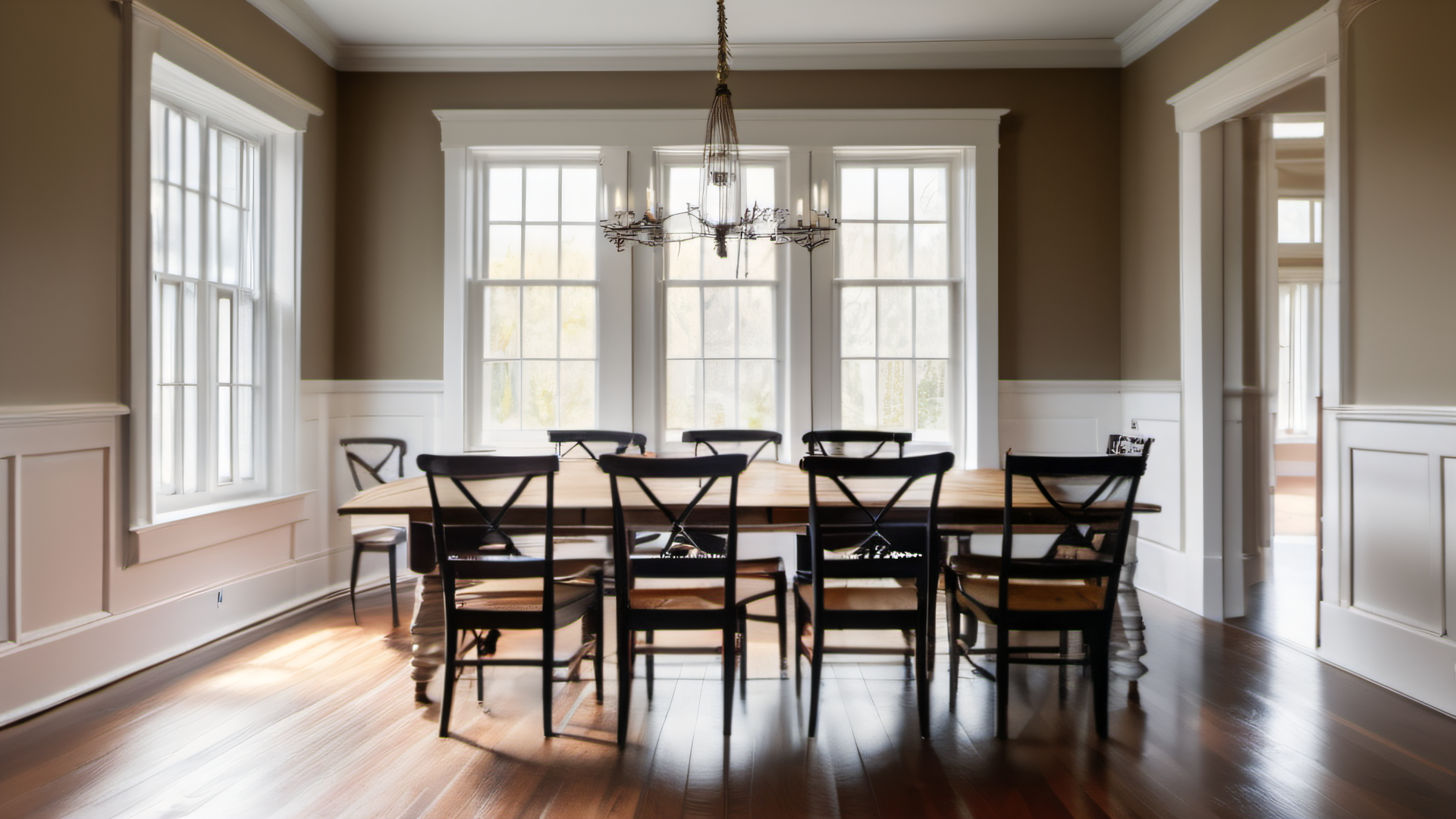
Take Things Off the Walls
Remove everything mounted on walls — artwork, mirrors, shelves, clocks, curtain rods. Pull the nails out too. We’ll be filling every hole anyway, but loose nails catch rollers and cause drips.
One thing people forget: switch plates and outlet covers. Unscrew them and put them in a labeled bag. It takes five minutes and it’s the difference between crisp, clean edges around every switch and paint bleeding underneath a plate that was taped over.
Clean the Walls
This is the step most homeowners skip, and it matters more than you’d think. Dust, cooking grease, and cobwebs build up on walls over time. Paint applied over a dirty surface won’t bond properly — and that’s how you end up with a paint job that fails in two years instead of ten.
A dry microfiber cloth or a Swiffer duster on each wall is plenty. Hit the corners where cobwebs collect, the area above the kitchen stove, and any spots near heating vents. If there are greasy spots, wipe with a damp cloth and a drop of dish soap. Let the wall dry completely before we arrive.
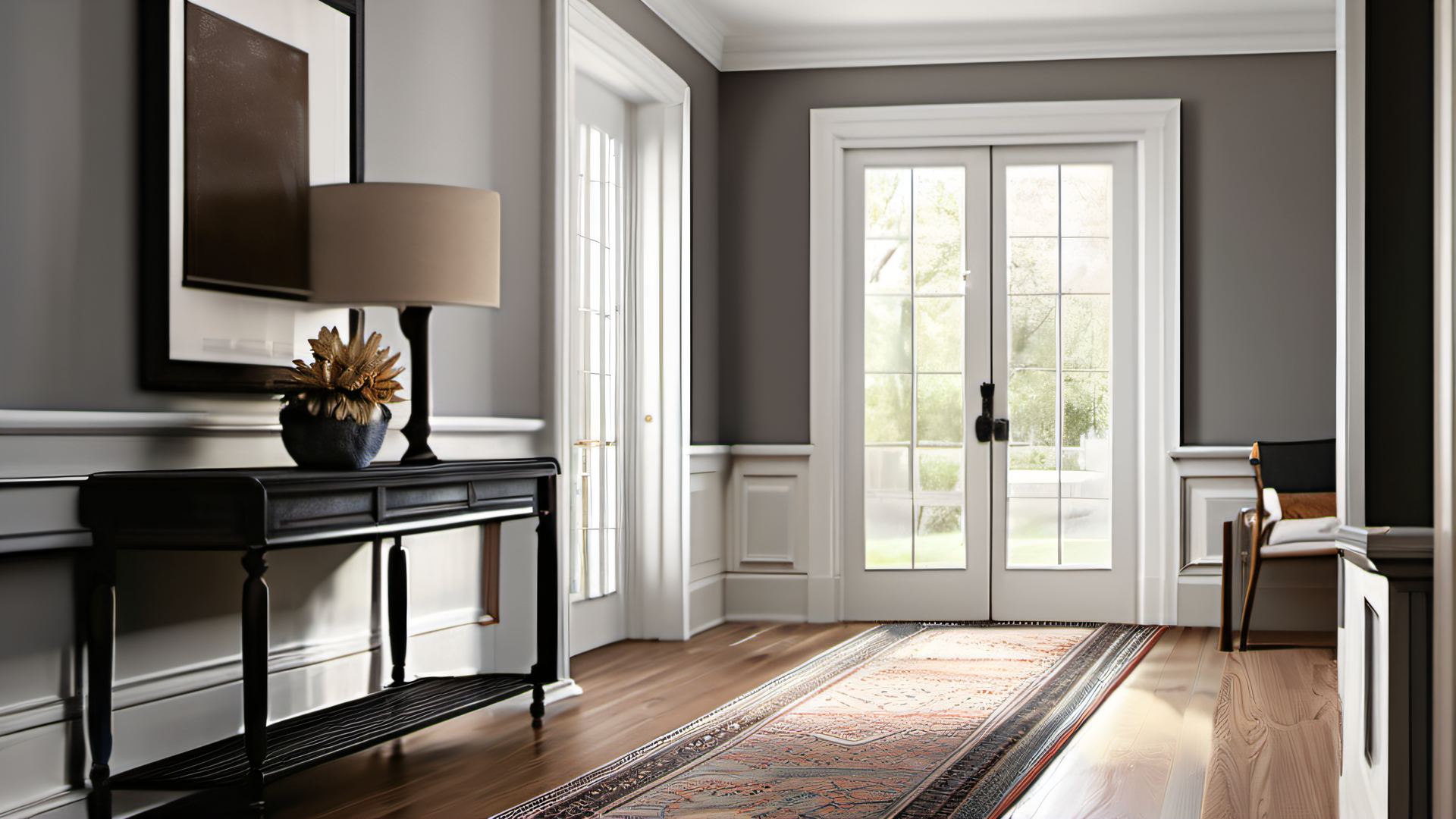
Point Out Problem Areas
Walk through each room with a flashlight the night before. Turn off the overhead lights and shine the flashlight at a low angle across each wall. You’ll see every nail pop, hairline crack, and drywall patch that’s not visible in normal lighting.
Mark them with a small piece of painter’s tape. When we arrive, walk us through what you found. We handle the repairs — filling, sanding, priming — but knowing where the issues are upfront means we come with the right materials.
If you see anything serious — water stains, soft drywall, visible mold — tell us before the project starts. Catching them early prevents the most common expensive mistake we see.
Plan for Kids and Pets
Wet paint, open cans, and ladders aren’t great around curious dogs or toddlers. If we’re painting a single room, just close the door. If it’s the whole house, consider whether kids and pets can spend the day somewhere else.
If your pet needs to stay home, let us know. We’ll keep doors closed and make sure everyone on the crew knows where the dog is.
Confirm the Details
Before we arrive, lock in these things:
- Colors are finalized — test patches on the actual wall, look at them in morning and evening light. If you need help, our guide to colors that increase home value is a good starting point.
- You know what’s included — are we moving furniture, or are you? Minor drywall repairs? Trim, or just walls? Get it in the contract.
- Access is arranged — parking, security codes, how to get in if you’re not home.
- Finishes are chosen — different rooms need different sheens.
What You Don’t Need to Do
A few things you can skip:
- Don’t tape anything — we bring our own, and our technique is faster and more precise.
- Don’t buy paint — we buy at contractor pricing (30–50% below retail) and know exactly which product works for your walls.
- Don’t prime — we handle all priming as part of our prep process. Wrong primer is worse than no primer.
- Don’t stress — we’ve done this thousands of times.
Quick Prep Checklist
- Move small items out of the room
- Slide large furniture to center
- Remove wall art, mirrors, curtain rods
- Pull nails from walls
- Unscrew switch plates and outlet covers (bag and label them)
- Dust walls with dry microfiber cloth
- Clean greasy spots with damp cloth + dish soap
- Walk rooms with flashlight — mark problem areas with tape
- Roll up area rugs
- Make a plan for pets and kids
- Confirm colors, finishes, and access details
Frequently Asked Questions
How long should I spend preparing for painters?
Most homeowners need 30–60 minutes per room. Moving furniture and removing wall décor takes the most time. Cleaning walls and unscrewing switch plates takes just a few minutes each.
Should I move furniture myself or will painters do it?
This varies by company. We move large furniture as part of the job, but clearing small items and wall décor is the homeowner’s responsibility. Confirm with your painter — it should be in the contract.
Do I need to buy the paint?
Not unless your painter specifically asks. Professional painters buy at contractor pricing, 30–50% below what you’d pay at the store. We use Benjamin Moore and Sherwin-Williams and recommend the right product for each surface.
Can I save money by doing some prep myself?
Yes. Moving furniture, removing wall décor, and cleaning walls can save $300–$800 in labor depending on the project size. Don’t try to tape, prime, or patch — those require specific technique and products.
If you're still deciding on colors, our guide on the best white paint for dark rooms can help — especially if you have north-facing rooms or smaller windows typical of MetroWest homes.
Got a project coming up? Give us a call at (774) 217-9567 — we’re happy to walk you through what your specific home needs before we show up.
Related Reading
Dave Griffiths
Dave Griffiths is the owner of Paint Pro New England, a professional painting company serving MetroWest Boston since 2011. With 15+ years of interior and exterior painting experience across the region, he leads every project with thorough prep, premium Benjamin Moore and Sherwin-Williams paints, and a 2-year warranty.

