




TL;DR: A professional crew paints the interior of an average 2,000 sq ft home in 3–5 days; a single room takes about 4–8 hours. DIY usually takes 2–3× longer. Trim detail, color changes, and wall repairs add time. Free estimate: (774) 217-9567.
The short answer: A professional crew can paint the interior of an average 2,000-square-foot home in 3-5 days. A single room typically takes 4-8 hours. DIY projects usually take 2-3 times longer.
But that's just the painting. The real timeline depends on what condition your walls are in, how much prep work is needed, and whether you're living in the house while it happens.
Here's how to figure out what your project will actually require.
Quick Reference: Interior Painting Timelines
Before diving into the details, here's a practical overview:
Single Room Estimates
| Room Type | Professional Time | DIY Time |
|---|---|---|
| Small bedroom (10x10) | 4-6 hours | 8-12 hours |
| Master bedroom (14x16) | 6-8 hours | 12-16 hours |
| Living room (16x20) | 8-10 hours | 16-24 hours |
| Kitchen (walls only) | 6-8 hours | 12-16 hours |
| Bathroom | 3-5 hours | 6-10 hours |
| Hallway | 2-4 hours | 4-8 hours |
Whole House Estimates
| Home Size | Professional Time | DIY Time |
|---|---|---|
| 1,000 sq ft | 2-3 days | 1-2 weeks |
| 1,500 sq ft | 3-4 days | 2-3 weeks |
| 2,000 sq ft | 3-5 days | 3-4 weeks |
| 2,500 sq ft | 4-6 days | 4-5 weeks |
| 3,000+ sq ft | 5-7 days | 5+ weeks |
Note: These assume standard conditions—walls in reasonable shape, no major repairs, neutral-to-neutral color changes.
What Actually Affects the Timeline
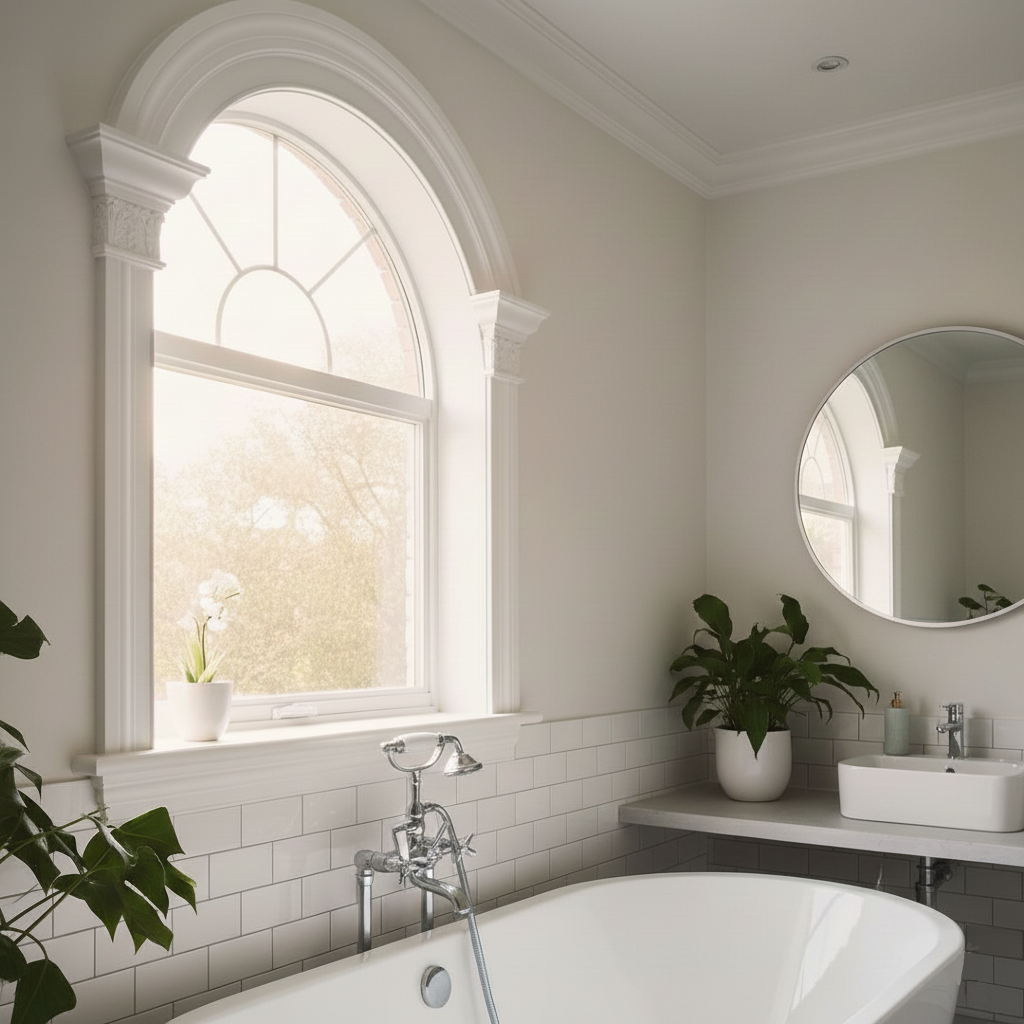
The estimates above are starting points. Here's what pushes a project shorter or longer.
Prep Work Requirements
This is the biggest variable, and it's where most timeline estimates go wrong.
Minimal Prep (Fastest)
If your walls are in good condition—no holes, cracks, or peeling paint—prep is simple. A quick wipe-down, some painter's tape, and drop cloths. Add maybe 30 minutes per room.
Moderate Prep (Typical)
Most homes need some patching. Nail holes from pictures, minor cracks at corners, scuffs and dings from everyday life. Each patch needs to be filled, dried, sanded, and primed before painting. Budget an extra 1-2 hours per room.
Extensive Prep (Adds Significant Time)
Older homes or walls with existing problems take longer:
- Peeling or flaking paint that needs scraping
- Water stains that need stain-blocking primer
- Textured walls or popcorn ceilings
- Wallpaper removal (can double project time)
- Lead paint testing and RRP-compliant procedures
A room that would take 6 hours in good condition might take 12-15 hours when serious prep is involved.
Color Changes
Light to Light or Dark to Dark
Same-depth color changes are straightforward. Two coats typically cover well, and the timeline estimates above apply.
Light to Dark
Going from white to navy? You'll need a tinted primer plus two topcoats—sometimes three if you want truly even coverage. Add 30-50% more time.
Dark to Light
This is the challenging one. Painting over red, dark green, or charcoal with a light color can require:
- Primer coat (sometimes two)
- Three or more topcoats
- Additional drying time between coats
I've seen dark-to-light room changes take nearly twice as long as standard repaints.
Ceiling and Trim Work
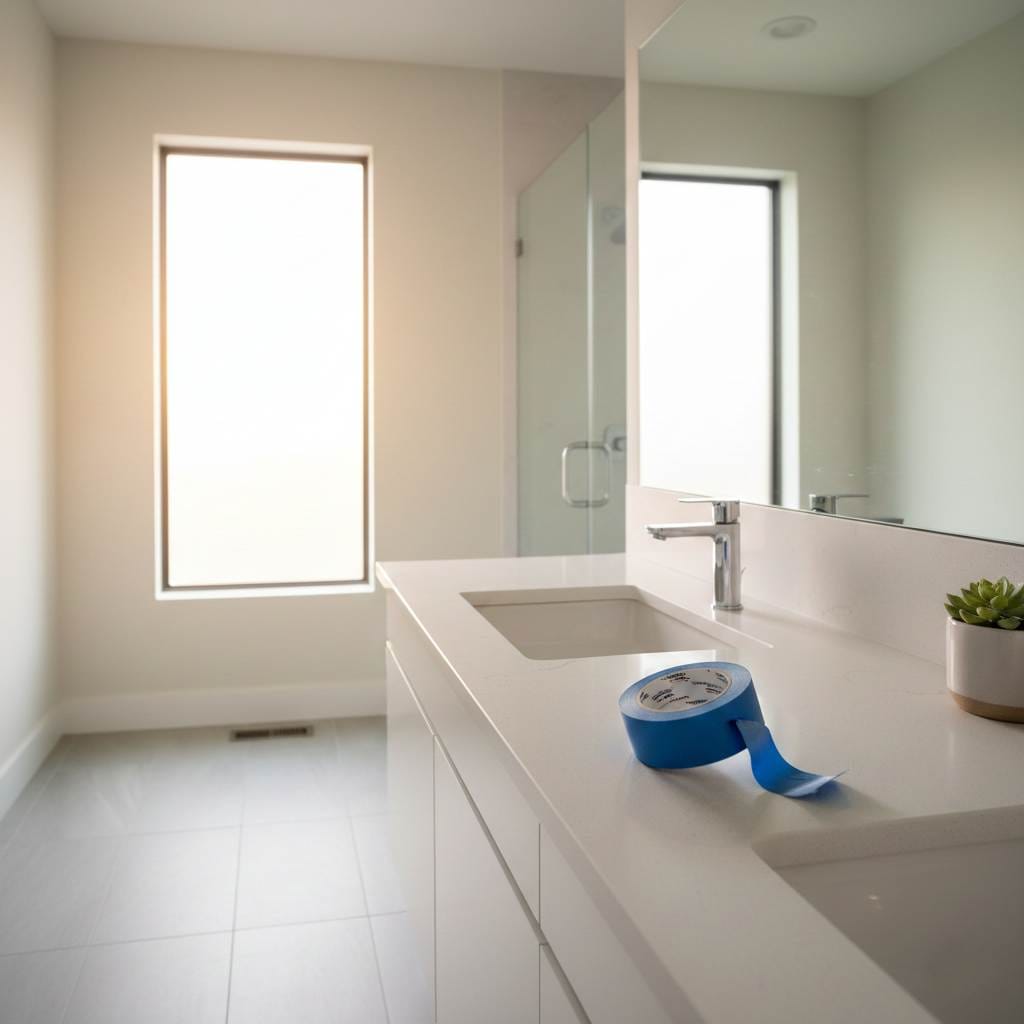
Walls Only
The base estimates assume walls only. This is sometimes all that's needed—if your trim and ceilings are in good shape.
Adding Ceilings
Ceiling painting adds roughly 40-60% more time per room. Ceilings are slower than walls—you're working overhead, paint drips are more likely, and cutting in around light fixtures requires care.
Adding Trim and Doors
Trim work (baseboards, window casings, door frames) is labor-intensive. Proper trim painting requires:
- Cleaning and light sanding
- Filling any nail holes or gaps
- Priming bare spots
- Multiple coats of paint, sanded between coats for smooth finish
Adding full trim work can double the time for a room. Doors add another 45-90 minutes each.
Number of Painters
A crew of two painters can often do more than double what one painter accomplishes—not just because there's two of them, but because they can work in parallel. One cuts in while the other rolls. One preps the next room while the other finishes.
For whole-house projects, crew size significantly impacts timeline:
- 1 painter: 7-10+ days for average home
- 2 painters: 3-5 days
- 3 painters: 2-4 days
Drying Time Between Coats
This is non-negotiable and often overlooked in DIY timelines.
Most interior latex paints need:
- 2-4 hours before a second coat
- 24 hours before normal use of the room
- 30 days for full cure (be gentle with painted surfaces until then)
When painting multiple rooms, professionals rotate between spaces—paint Room A, move to Room B while A dries, return to A for the second coat. This keeps the project moving without compromising results.
DIYers often underestimate this. You can't just keep applying coats. Rushing drying time leads to uneven finish, peeling, and adhesion problems.
Realistic DIY vs. Professional Timelines
Why DIY Takes Longer
It's not just experience—though that matters. The real difference is logistics:
Setup and cleanup time. Professionals arrive with everything ready. DIYers spend significant time buying supplies, mixing paint, cleaning brushes each session.
Available hours. Most homeowners paint on evenings and weekends. A room that takes a pro one day might stretch across three weekends.
Learning curve. Cutting in around trim, achieving even coverage, avoiding lap marks—these skills take practice. Your first room will be slower than your fourth.
Tool quality. Professional-grade brushes, rollers, and sprayers apply paint faster and more evenly than consumer-grade equipment.
When DIY Makes Sense
For a single room with good conditions and simple color change? DIY is reasonable if you have time and patience.
For a whole-house repaint, multiple rooms at once, or anything involving extensive prep? The professional timeline advantage becomes significant. A project that takes you a month of weekends might take a crew four days.
What Slows Down Any Paint Job
Living in the House During Painting
Painters can't work as efficiently when they're working around furniture, routing around family schedules, and making spaces usable at the end of each day.
An empty house with clear rooms paints 30-40% faster than an occupied home with furniture that needs moving and covering.
Weather (Yes, Even Interior)
Humidity affects drying time. In a Massachusetts summer, paint can take 50% longer to dry than manufacturer specifications suggest. Very cold, dry winter air with the heat running? Paint dries faster but can flash—drying before it levels properly.
Unexpected Discoveries
Open up a wall and find mold? Previous water damage? Old wallpaper under the paint? These discoveries add time, but skipping them creates bigger problems later.
How to Get an Accurate Timeline for Your Project
The estimates here are guidelines, not guarantees. Your specific project depends on:
- Current wall condition — Recently painted and maintained? Or decades of wear?
- Scope of work — Walls only? Ceilings? Trim? Doors?
- Color change complexity — Neutral to neutral? Or dramatic shift?
- Room access — Empty rooms? Or full of furniture?
- Your timeline flexibility — Need it done this week? Or can it stretch?
The only way to get an accurate answer is to have someone look at your specific space.
Frequently Asked Questions
Can painters finish faster if I pay more?
Not really. More painters can work faster (to a point—too many people in a room actually slows things down). But rushing the actual painting process—shorter dry times, fewer coats, less prep—just creates problems.
Should I move out of my house during interior painting?
It's not required, but it helps. Painters work more efficiently, you avoid paint fumes and disruption, and rooms can be painted in optimal order rather than around your daily schedule.
How long until I can move furniture back?
24 hours minimum before putting furniture back. 48-72 hours is safer for heavy pieces. Wait 30 days before hanging anything that requires nail holes—the paint needs full cure time before you puncture it.
Can you paint a house interior in one day?
A single room? Yes. A whole house? Only if it's very small and the walls are in perfect condition. More realistically, even a fast-moving professional crew needs 2-3 days for an average home.
What takes longer—interior or exterior painting?
Generally interior takes less time (no weather delays, more controlled environment). But interior involves more detail work—cutting around fixtures, multiple rooms, often trim painting. Square foot for square foot, they're surprisingly similar.

https://paintpronewengland.com/contact
Related Reading
Dave Griffiths
Dave Griffiths is the owner of Paint Pro New England, a professional painting company serving MetroWest Boston since 2011. With 15+ years of interior and exterior painting experience across the region, he leads every project with thorough prep, premium Benjamin Moore and Sherwin-Williams paints, and a 2-year warranty.

