



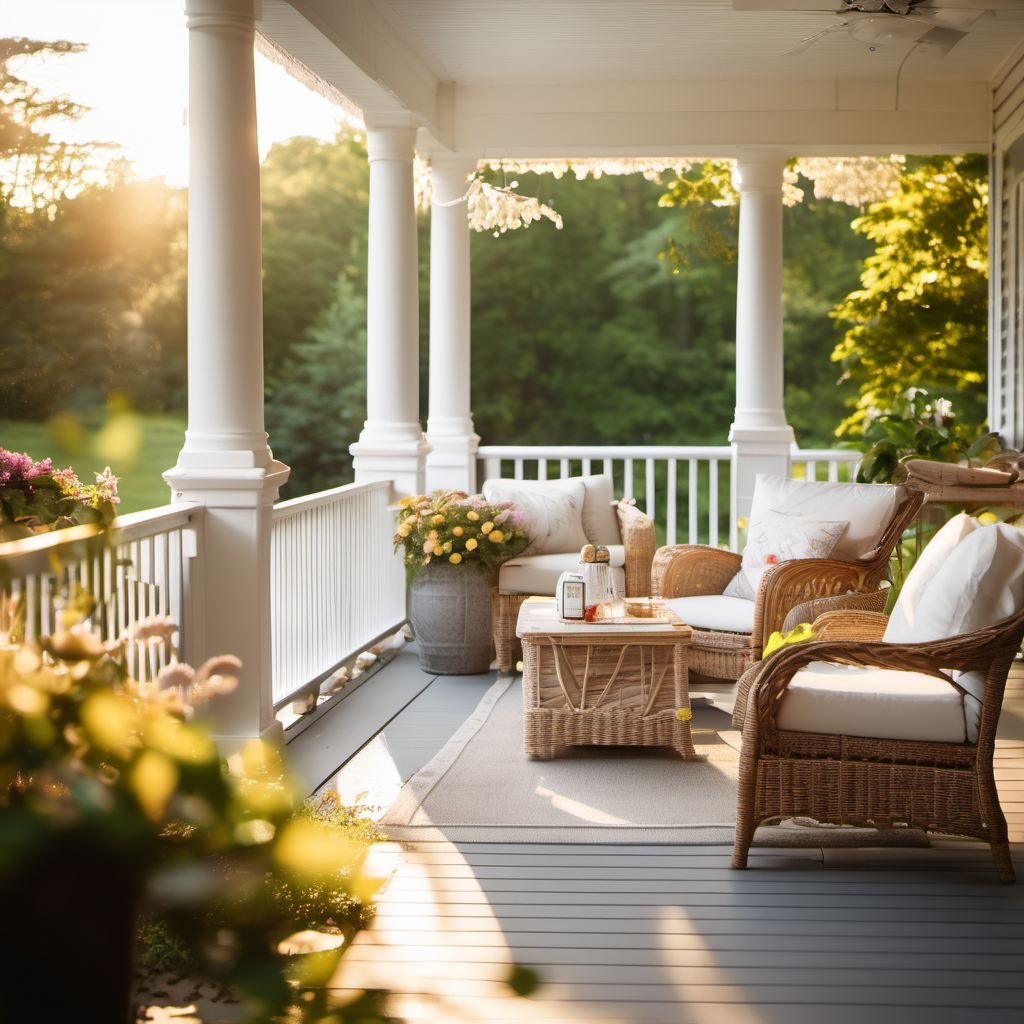
TL;DR: A typical MetroWest exterior paint job takes about 3–5 days for an average home, or up to 7–10 days for larger houses or heavy prep, spread across prep, priming, and two finish coats. Weather and extensive scraping or wood repair can extend it. Free estimate: (774) 217-9567.
"How long is this going to take?" is the first question almost every homeowner asks when we walk their property for an exterior quote. The honest answer is: it depends — on the size of the house, the condition of the current paint, the weather forecast, and whether we're doing siding only or siding plus trim plus doors plus a porch. But we can give you a real range, and a real day-by-day picture of what happens on a typical MetroWest exterior paint job. Here's how we plan them.
The Quick Answer: How Long an Exterior Paint Job Takes
For a typical MetroWest home, plan on these ballpark timelines, assuming cooperating weather:
- Small home (1,000–1,800 sq ft, ranch or Cape): 3–5 working days
- Medium home (1,800–3,000 sq ft, colonial): 5–8 working days
- Large home (3,000+ sq ft, multi-story): 8–14 working days
- Trim-only or color-refresh jobs: 2–4 working days
Those are working days, not calendar days — and New England weather means calendar time is usually longer. A "5-day job" in April often spans 7 to 10 calendar days because we'll pause around rain events and dew-point problems. We wrote about that dynamic in our recent post on how spring pollen and dew point affect exterior paint timing.
Day-by-Day: What Actually Happens on a Medium Colonial Job
To make this concrete, here's the typical flow on a 2,500-square-foot colonial in Needham or Holliston getting a full exterior repaint. Your specific job may compress or expand this, but the phases are consistent.
Day 1: Walk-Through, Setup, and Pressure Washing
Crew arrives with ladders, drop cloths, pressure washer, and the paint schedule. We walk the property with the homeowner one more time to confirm scope and colors. Plants and outdoor furniture get covered or moved. The entire exterior gets pressure washed — typically 3,000 to 4,000 PSI on siding, lower on delicate trim and older clapboard. The house then needs at least 24 hours to dry fully before any paint can be applied. More on this step in our spring pressure washing guide.
Day 2: Scraping, Sanding, and Caulking
This is where the real prep work lives. Failed paint gets scraped off. Bare wood gets sanded smooth. Gaps at trim, corners, and window frames get caulked. Any raw wood gets spot-primed so the full coat can adhere properly. On older MetroWest colonials, this day can stretch to two or even three days — and honestly, this is where the difference between a good paint job and a great one is made. Prep work really is 80 percent of a great paint job, and we don't short it.
Day 3: Priming Bare Wood and Problem Areas
Bare spots exposed during scraping get full primer coats — usually Sherwin-Williams Extreme Bond, Benjamin Moore Fresh Start, or an oil-based primer on weather-exposed wood. Primer typically needs 4 to 6 hours to dry before topcoat, so we often schedule primer in the morning and start siding paint in the afternoon if conditions allow.
Day 4–5: First Coat on Siding
Siding gets its first full coat — rolled on flat surfaces, brushed into grooves and edges. We start on the shady side of the house early in the morning (sun-warmed siding can make latex paint flash-dry and show lap marks). Weather has to cooperate: surface at least 5°F above dew point, humidity below 85 percent, no rain in the forecast for the next 48 hours. If the forecast shifts, we push.
Day 6–7: Second Coat on Siding + Trim
Second coat goes on once the first is fully dry — typically 24 hours later in good weather, longer in high humidity. Trim work happens in parallel and after — windows, doors, fascia, soffits, corner boards. Trim is almost always a different color from siding, and it takes longer per square foot because it's detail work that has to be cut in cleanly.
Day 8: Detail Work and Final Walk-Through
Last touches — doors, shutters, gutters if in scope, any spot repairs where ladders or pressure wash marks left the surface needing attention. Drop cloths come up, furniture goes back, and we walk the property with the homeowner to check every elevation. If there's a punch list, it gets handled that day or first thing the next morning. We don't roll off the job with open items.
What Can Stretch the Timeline
A handful of things regularly add days to an exterior job in MetroWest:
- Heavy prep on older homes. Pre-1950 colonials with 80 years of paint history may need an extra day or two of scraping, priming, and wood repair.
- Weather delays. Rain, dew point within 5°F of surface temp, temperatures under 40°F, and pollen waves all push work back. April and November are especially weather-sensitive months in MA.
- Color changes. Going from dark to light (or vice versa) may require a third coat for full coverage — one extra day of work per elevation.
- Scope additions mid-project. "While you're at it, can you also..." is a real thing. We quote it before doing it.
- Lead-safe RRP work. On pre-1978 homes, lead-safe containment and cleanup add real time — we don't cut corners on this.
- Multi-story or awkward access. Scaffolding, lift rental, or steep grades slow everything down.
What You Can Do to Keep Things on Schedule
- Be available for the walk-through on day 1 and the final walk on the last day. A 15-minute conversation at each end saves hours of back-and-forth later.
- Decide on colors before we start. Color changes mid-project add days. If you're still deciding, give yourself two weeks with real samples before booking. We've written about color selection for New England homes — same principles apply outside.
- Move cars and outdoor items 8–10 feet off the house. Clear working space means faster setup every morning.
- Keep pets away from the perimeter. Wet paint, ladders, and curious dogs don't mix.
- Close windows on painting days. Obvious but forgotten — especially second-floor bedrooms.
- Trust the weather calls. If we push a day because of a front coming through, we're saving you a bad cure that shows up as peel in two years.
Frequently Asked Questions
How many days will painters be at my house for an exterior job?
For a typical MetroWest colonial (1,800–3,000 sq ft), plan on 5 to 8 working days of active presence. Calendar time is usually 7–10 days because weather and drying windows often push work beyond consecutive days.
Do painters work in the rain?
No — exterior paint needs dry substrate and dry conditions for the first 24 to 48 hours to cure properly. We monitor the forecast daily and pause work when rain is imminent or humidity is too high for safe cure.
Can you paint two elevations at the same time?
Yes on larger crews — two-painter teams can work opposite sides of a house simultaneously, which compresses the siding phase. Smaller jobs usually use a single crew moving elevation to elevation, which keeps the work tidy and the color matching consistent.
What happens if weather delays the job?
We pause, tarp anything vulnerable, and restart the next clear day. Delays don't add to the total cost — they just stretch the calendar. Most MetroWest exteriors see at least one weather pause per season between April and June.
Do I need to be home during the painting?
No — most exterior work can proceed with the homeowner away, as long as we have access for water, occasional outlet use, and the walk-through at start and finish. Keeping windows locked and pets indoors helps.
Getting Started
If you're thinking about an exterior repaint this season and want a realistic timeline for your specific home, that's the first thing we'll talk about on a site walk. Call us at (774) 217-9567 or reach out by email at [email protected]. We'll come out, look at your siding and trim, and give you an honest read on the scope — and a day-by-day schedule so you know exactly what the week looks like.
Related Reading
Dave Griffiths
Dave Griffiths is the owner of Paint Pro New England, a professional painting company serving MetroWest Boston since 2011. With 15+ years of interior and exterior painting experience across the region, he leads every project with thorough prep, premium Benjamin Moore and Sherwin-Williams paints, and a 2-year warranty.

