



TL;DR: With modern low-VOC latex paint and good ventilation, most people can safely sleep in a freshly painted room after about 24 hours; wait 48–72 hours to be fully cautious. Oil-based paints and anyone pregnant, asthmatic, or with young children should allow more time and extra airflow. Free estimate: (774) 217-9567.
Quick answer: With modern low-VOC latex paints and good ventilation, most people can safely sleep in a freshly painted room after 24 hours. For complete peace of mind, wait 48-72 hours.
But the real answer depends on several factors: what paint was used, how well ventilated the space is, and who's sleeping there.
Understanding Paint Fumes
What's Actually in the Air
When paint dries, it releases VOCs (volatile organic compounds). These are the solvents that keep paint liquid in the can. As paint cures, VOCs evaporate into the air—that's the "paint smell."
Traditional paints contained high levels of VOCs and required significant ventilation time.
Modern low-VOC and zero-VOC paints release far fewer compounds and cure faster. Most interior paints sold today fall into this category.
The Difference Between Dry and Cured
Dry to touch: 1-2 hours for most latex paints
Dry for recoat: 2-4 hours
Safe for normal use: 24 hours
Fully cured: 14-30 days
"Safe for normal use" means the majority of VOCs have dissipated. "Fully cured" means the paint has reached maximum hardness and all chemical processes are complete.
Safe Timeline by Paint Type
Low-VOC Latex Paint (Most Common)
| Stage | Timeline |
|---|---|
| Can enter room | 2-4 hours |
| Safe to sleep | 24 hours |
| Ideal if cautious | 48-72 hours |
| Fully cured | 2-4 weeks |
This is the paint most professional painters use today. Benjamin Moore Regal, Sherwin-Williams SuperPaint, and similar quality paints are all low-VOC.
Zero-VOC Paint
| Stage | Timeline |
|---|---|
| Can enter room | 1-2 hours |
| Safe to sleep | 12-24 hours |
| Fully cured | 2-4 weeks |
Zero-VOC paints have even fewer emissions. Some people can sleep in these rooms the same night with good ventilation, though waiting until the next night is safer.
Oil-Based Paint
| Stage | Timeline |
|---|---|
| Can enter room | 24+ hours |
| Safe to sleep | 48-72 hours |
| Ideal if cautious | 72+ hours |
| Fully cured | 7-14 days |
Oil-based paints are rarely used on interior walls anymore, but they're still common for trim and some specialty applications. They off-gas longer and stronger than latex.
Primer (Especially Shellac-Based)
Primers vary widely. Shellac-based primers (like Zinsser BIN) have strong fumes that dissipate quickly—usually safe within 24 hours with ventilation. Oil-based primers take longer.
Factors That Affect Safety
Ventilation
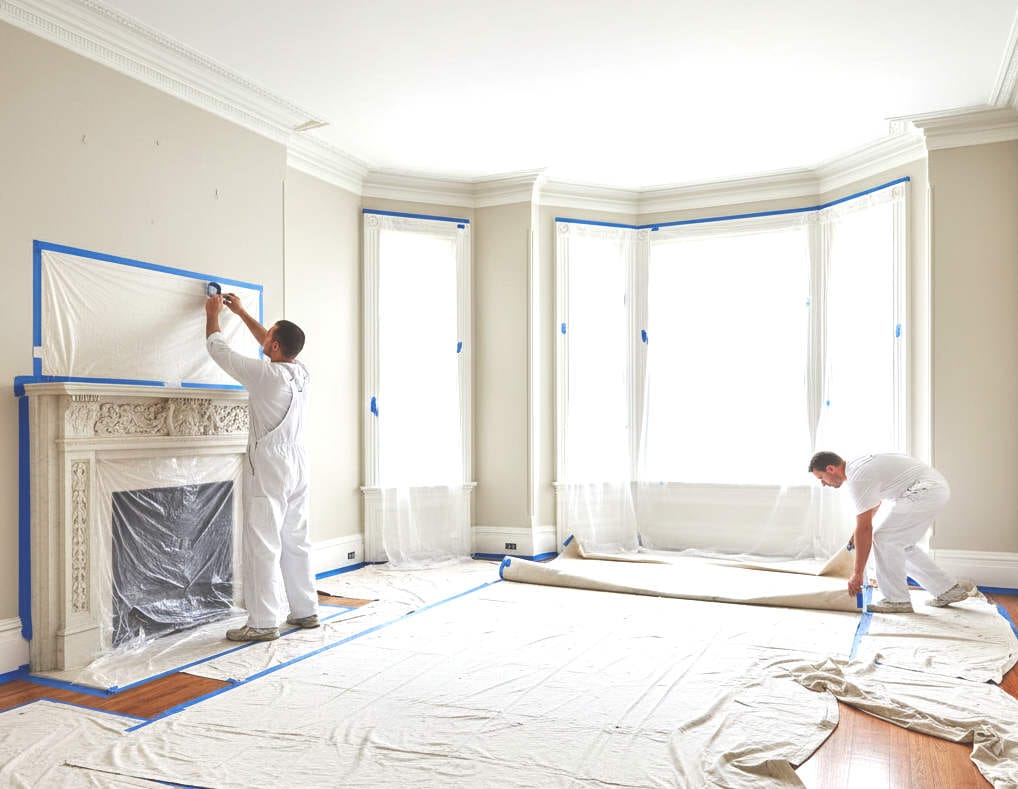
A freshly painted room with windows open and a fan creating airflow is safe to sleep in much sooner than a closed-up room. Ventilation is the single biggest factor you can control.
What helps:
- Open windows (even a crack helps)
- Box fan pointed outward to exhaust air
- Ceiling fan or portable fans circulating
- Keep door open to rest of house
Room Size
A small bathroom takes longer to air out than a large bedroom with multiple windows. Smaller spaces concentrate fumes.
Number of Coats
More coats = more paint = more off-gassing. A room with heavy coverage may need extra ventilation time.
Temperature and Humidity
Paint cures faster in warm, dry conditions. A room painted in humid weather or with the heat off may take longer to fully off-gas.
Who Should Be Extra Cautious
Pregnant Women
VOC exposure during pregnancy is a legitimate concern. While modern low-VOC paints are considered safe, pregnant women may want to:
- Stay out of the room during painting
- Wait 48-72 hours before sleeping there
- Ensure excellent ventilation throughout
Infants and Young Children
Babies and toddlers have developing respiratory systems. For nurseries and kids' rooms:
- Use zero-VOC paint
- Wait 48-72 hours minimum
- Ventilate thoroughly
- Consider painting 1-2 weeks before baby arrives
People With Respiratory Conditions
Asthma, COPD, chemical sensitivities—if you have respiratory issues, err on the side of caution:
- Request zero-VOC products
- Stay elsewhere during painting if possible
- Wait 72+ hours before sleeping in the room
- Ventilate longer than standard recommendations
Pets
Birds are particularly sensitive to fumes—keep them far from freshly painted areas for several days. Dogs and cats are more tolerant but shouldn't be confined in freshly painted rooms.
Practical Steps for Safe Sleeping
The Day of Painting
- Keep windows open during painting
- Run fans to circulate air
- Sleep elsewhere if possible (couch, guest room)
The Next Day
- Continue ventilation
- Check for lingering odor
- Most people can sleep in the room by night 2
If You're Sensitive or Concerned
- Wait the full 48-72 hours
- Keep a window cracked overnight
- Use an air purifier with activated carbon filter
Frequently Asked Questions
Is the smell dangerous, or just unpleasant?
Modern paint smell is mostly unpleasant, not dangerous—at the concentrations present in a ventilated room. But odor sensitivity varies. If it gives you a headache or irritates your breathing, you need more ventilation time.
Can paint fumes make you sick?
High VOC exposure can cause headaches, dizziness, and respiratory irritation. Modern low-VOC paints in ventilated spaces rarely cause these issues for healthy adults. If you feel unwell, leave the room and increase ventilation.
What if I have to sleep there the same night?
Choose zero-VOC paint. Ventilate aggressively during painting. Keep a window open overnight. It's not ideal, but it's manageable with modern paints.
Does the paint fume smell mean it's not safe?
Not necessarily. Some odor persists even after VOCs drop to safe levels. Conversely, some harmful compounds have no smell. Use time guidelines, not just your nose.

Sign up for Paint Pro New England
Related Reading
Related: how to get paint smell out of your house fast, how long interior painting takes, and our complete guide to house painting in MetroWest Boston.
Dave Griffiths
Dave Griffiths is the owner of Paint Pro New England, a professional painting company serving MetroWest Boston since 2011. With 15+ years of interior and exterior painting experience across the region, he leads every project with thorough prep, premium Benjamin Moore and Sherwin-Williams paints, and a 2-year warranty.

