




TL;DR: The best time to paint a house exterior in Massachusetts is late April through October, with day and night temperatures steadily above 50°F and low humidity — May–June and September are the sweet spots. Avoid painting within 24–48 hours of rain, and book 4–8 weeks ahead in peak season. Free estimate: (774) 217-9567.
Timing matters with exterior painting. Paint applied in the wrong conditions won't stick properly, won't dry correctly, and won't last as long as it should.
In Massachusetts, you have a window of good painting weather—and it's shorter than you might think.
We've been painting homes across MetroWest Boston for 15 years. Here's what we've learned about timing exterior projects in New England.
The Best Months for Exterior Painting
Ideal: Late April through October
This period offers the most consistent conditions for exterior painting in Massachusetts:
- Temperatures typically between 50-85°F
- Lower humidity than summer peaks
- More predictable weather patterns
- Longer daylight hours for work
Peak season: May, June, September, October
These four months combine good weather with the most pleasant conditions for outdoor work.
Workable: July, August, Early November
July and August can work, but high humidity (moisture in the air) slows drying and afternoon thunderstorms can interrupt projects. Early November is possible but risky—temperatures drop fast.
Avoid: December through March
Cold temperatures prevent proper paint curing (the process of paint fully hardening and bonding to the surface). Even water-based paints that claim to work at 35°F often fail to perform well in real-world winter conditions.

Weather Conditions That Matter
Temperature
Minimum: Most exterior paints require temperatures above 50°F during application AND for several hours after. Check the paint manufacturer's specifications.
Maximum: Temperatures above 85-90°F cause paint to dry too quickly, leading to brush marks, poor leveling (paint not smoothing out), and adhesion problems.
The catch: In Massachusetts, temperatures can swing 30 degrees between morning and afternoon. A surface that's 50°F at 8 AM might be 85°F by 2 PM in direct sun.
Humidity
Target range: 40-70% relative humidity
Too humid: Paint dries slowly and may not cure properly. High humidity can cause blistering (bubbles in the paint) and poor adhesion (paint not sticking).
Too dry: Rare in Massachusetts, but very low humidity causes paint to dry too fast.
Rain
Before painting: Surfaces need 24-48 hours to dry completely after rain.
After painting: Most paints need 4-8 hours before rain won't damage them. Check the product specifications.
The risk: If rain comes before paint cures, you could be stripping and repainting.
Dew and Morning Moisture
New England mornings often bring dew or moisture that doesn't burn off until mid-morning. Starting too early on a damp surface causes adhesion problems.
Professional painters wait for surfaces to dry completely before starting, even if that means a later start time.
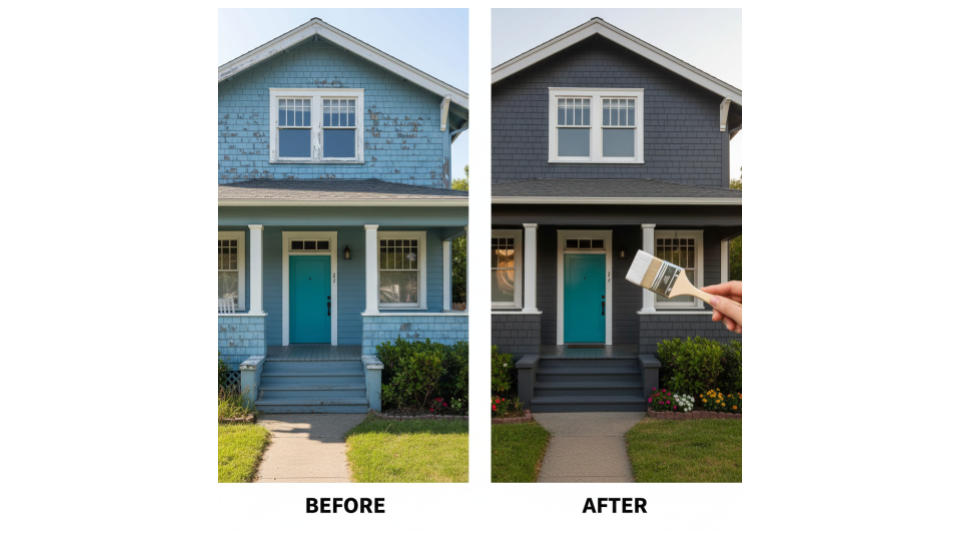
Month-by-Month Breakdown
April
Conditions: Warming but unpredictable. Rain common. Some days perfect, others impossible.
Verdict: Later April can work. Experienced painters know how to adapt.
May
Conditions: Increasingly reliable. Fewer rain days. Comfortable temperatures.
Verdict: Great month for exterior painting.
June
Conditions: Warm, longer days, generally dry. Some late-month humidity.
Verdict: One of the best months.
July
Conditions: Hot and humid. Afternoon thunderstorms common.
Verdict: Workable but requires weather monitoring and schedule flexibility.
August
Conditions: Similar to July. Hot, humid, storm-prone.
Verdict: Can be done. Experienced crews adjust their approach for the conditions.
September
Conditions: Cooling temperatures, lower humidity, beautiful weather.
Verdict: Excellent month for exterior work.
October
Conditions: Cool mornings, pleasant days. Leaves may complicate cleanup.
Verdict: Good month. Watch for early cold snaps.
November
Conditions: Unpredictable. Early November may work; late November usually doesn't.
Verdict: Early November only, with weather flexibility.
December - March
Conditions: Too cold for reliable exterior painting.
Verdict: Wait for spring. Use this time for interior projects.
What About New England Weather?
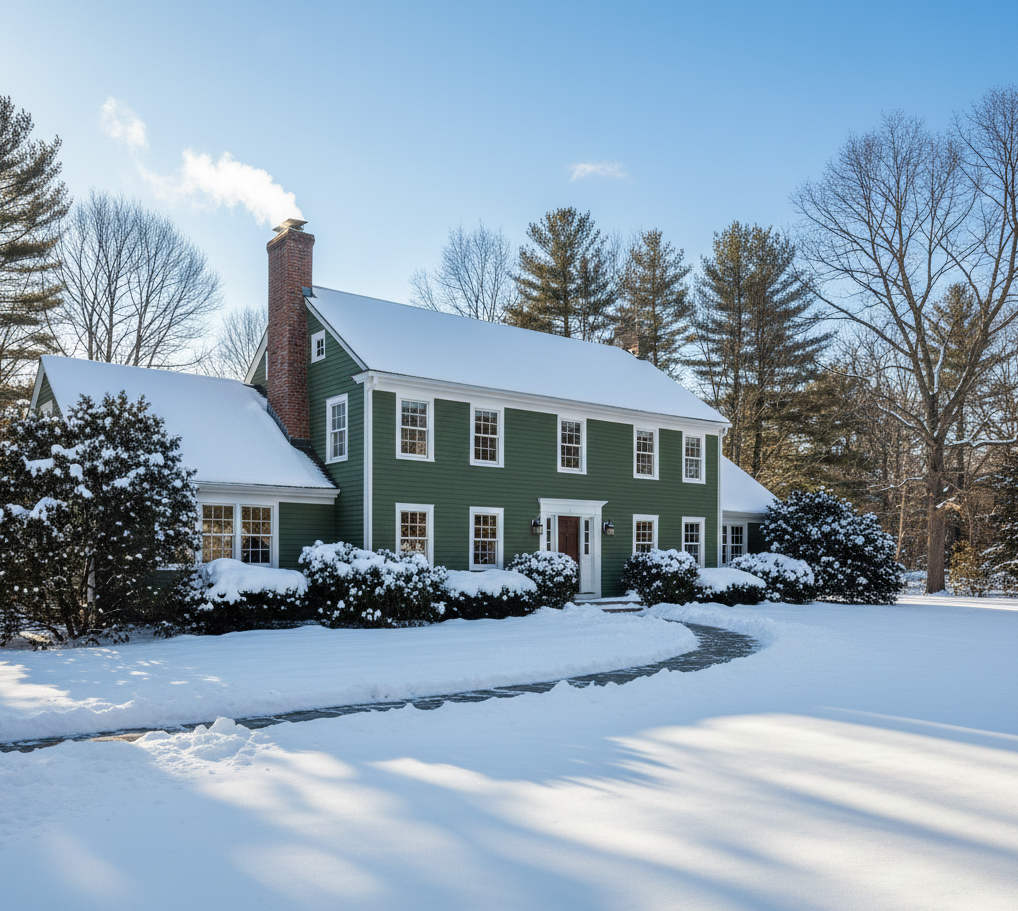
Massachusetts weather is famously unpredictable. A gorgeous forecast can turn to rain in hours.
Experienced local painters know this and plan accordingly:
- Build buffer days into schedules
- Monitor weather closely
- Adjust start times based on conditions
- Protect work in progress if storms approach
- Have indoor work (prep, doors, trim) available for rainy days
A good painting team adapts to New England weather rather than fighting it.
Prep Work and Weather
Exterior painting prep—washing, scraping, sanding, caulking, priming—also has weather requirements:
Power washing: Surfaces need 24-48 hours to dry completely before painting can begin.
Caulk: This is the flexible sealant used to fill gaps around windows and doors. Most caulks need temperatures above 40-50°F to set up properly.
Primer: Same temperature requirements as paint.
What If I Need It Done Soon?
Good news: You don't need to wait months to get your home painted.
Our team works efficiently and knows how to navigate New England's weather challenges. If you're within a workable weather window (April-October), we can typically get your project scheduled and completed without a long wait.
If you're reading this in winter and want exterior work, we can schedule for early spring and have everything ready to start as soon as conditions allow. In the meantime, interior projects are always an option.
The point: Don't assume you need to wait forever. Give us a call, tell us your situation, and we'll give you an honest assessment of what's possible.
About Paint Pro New England
We've painted through fifteen New England seasons. Our approach:
- We don't start projects we can't finish properly
- We monitor weather and communicate schedule changes
- We use quality paints rated for New England conditions
- We back our work with a 2-year warranty
- We stick to our timelines—when we say it'll be done, it gets done
If you're thinking about exterior painting for your home, give us a call. We'll let you know what makes sense for your timeline.
Call (774) 217-9567 or visit paintpronewengland.com
Frequently Asked Questions
Can you paint a house exterior in November in Massachusetts?
Early November (first two weeks) may work if temperatures stay above 50°F. Late November is too risky.
What if it rains during my exterior painting project?
Good painters monitor weather and protect work in progress. Some delays may occur, but the project will resume when conditions allow.
Is spring or fall better for exterior painting?
Both work well. Fall often has more stable weather; spring gives you the results to enjoy all summer.
How long does exterior paint take to cure?
Paint is dry to the touch in hours but takes 14-30 days to fully cure (reach maximum hardness). Avoid washing or heavy contact during this period.
Does humidity affect paint drying?
Yes. High humidity slows drying and can cause adhesion problems. Professional painters adjust technique and timing accordingly.
How quickly can you get to my project?
Give us a call and let us know your situation. We're known for keeping our commitments and can often work with tighter timelines than you might expect.
Planning exterior painting in MetroWest Boston? Contact Paint Pro New England at (774) 217-9567 for a free estimate.
Before you lock in a date, it's worth doing a full exterior inspection — our spring painting checklist walks through exactly what to look for after a New England winter.
Property managers juggling multiple units and tenant schedules should also read our rental property painting schedule guide — it covers how to book spring slots across a portfolio without losing rental income to vacancy.
Related Reading
- How Long Does Exterior Paint Last in New England?
- What Temperature Is Too Cold to Paint Outside?
- How Much Does House Painting Cost in Massachusetts? (2025-2026...
- Painters in Holliston, MA — Interior, Exterior & Cabinet Refin...
Frequently Asked Questions
What is the best month to paint a house exterior in Massachusetts?
May, June, and September are ideal — warm, stable temperatures and lower humidity. Late April through October is the overall window.
Can you paint a house exterior in winter in Massachusetts?
Generally no. Most exterior paints need surface and air temperatures steadily above 50°F, which Massachusetts rarely holds in winter, so we schedule winter exteriors for the following spring.
How long should exterior paint dry before rain?
Allow at least 24–48 hours of dry weather after painting. Rain too soon can wash out or blister a fresh coat.
Dave Griffiths
Dave Griffiths is the owner of Paint Pro New England, a professional painting company serving MetroWest Boston since 2011. With 15+ years of interior and exterior painting experience across the region, he leads every project with thorough prep, premium Benjamin Moore and Sherwin-Williams paints, and a 2-year warranty.

