



TL;DR: For New England's freeze-thaw, humidity, and UV, the best exterior paints are 100% acrylic latex lines like Benjamin Moore Aura (about $85–95/gal) and Sherwin-Williams Duration and Emerald — they flex, resist mildew, and last 10–15 years with proper prep. The right product depends on your siding. Free estimate: (774) 217-9567.
New England is one of the hardest climates in the country for exterior paint. Freeze-thaw cycles crack rigid coatings, summer humidity breeds mildew, UV exposure fades colors, and salt air along the coast accelerates everything. The paint you choose has to handle all of it.
After 15 years of painting homes across MetroWest Boston, here's what we've learned about what works and what doesn't.
100% Acrylic Latex: The Clear Winner
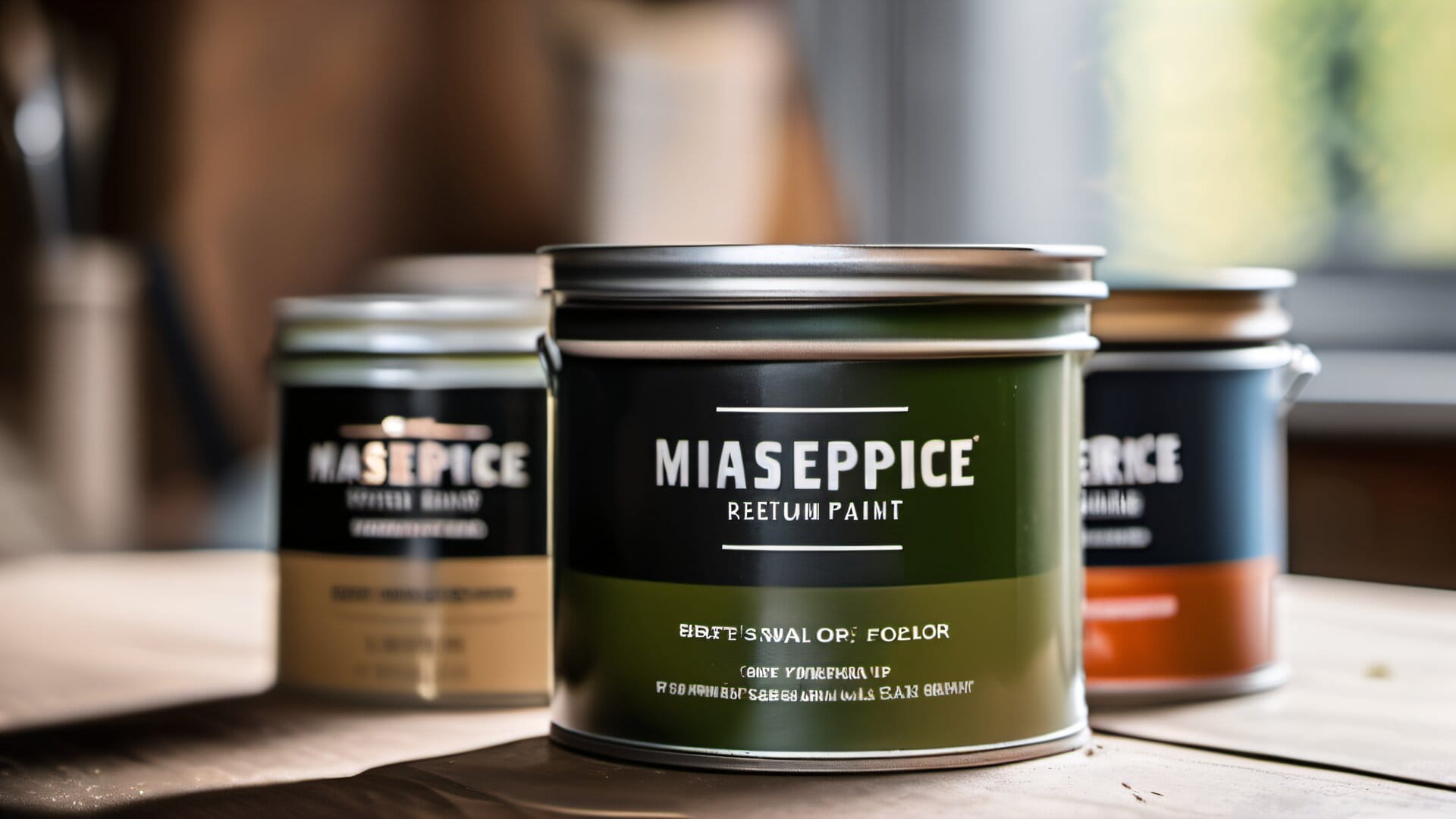
For nearly every exterior surface in Massachusetts — clapboard, cedar shingles, trim, and even properly primed aluminum — 100% acrylic latex is the right choice. Here's why:
- Flexibility: Acrylic paint expands and contracts with temperature changes without cracking. In a climate where surfaces can swing 100°F between a July afternoon and a January night, this is critical.
- Breathability: Acrylic lets moisture vapor pass through the paint film rather than trapping it underneath. Trapped moisture is the number one cause of peeling in New England.
- UV resistance: Modern acrylic formulations hold color significantly longer than oil-based or older latex paints.
- Mildew resistance: Premium acrylics include mildewcides that help in the shaded, humid conditions common on north-facing walls and under tree canopy.
Our Top Picks for MetroWest Homes
We use Benjamin Moore and Sherwin-Williams exclusively, and for good reason. For a detailed comparison of the two brands, see our head-to-head review.
Benjamin Moore Aura Exterior
Aura uses Benjamin Moore's proprietary Color Lock technology, which bonds pigment into the paint film for exceptional color retention. It's self-priming on most surfaces, handles moisture well, and is particularly good for bold or dark colors that tend to fade faster. Around $80–$90 per gallon.
Sherwin-Williams Emerald Exterior
Emerald is Sherwin-Williams' premium line with excellent adhesion and flexibility. Strong UV protection and self-priming capabilities. It performs well in both heat and cold — a key requirement here. Around $85–$95 per gallon.
Sherwin-Williams Duration
A step below Emerald in price but still a premium product. Excellent flexibility and adhesion for climates with dramatic temperature swings. A solid choice when budget matters but you don't want to compromise on longevity. Around $70–$80 per gallon.
Why We Don't Use Oil-Based Exterior Paint
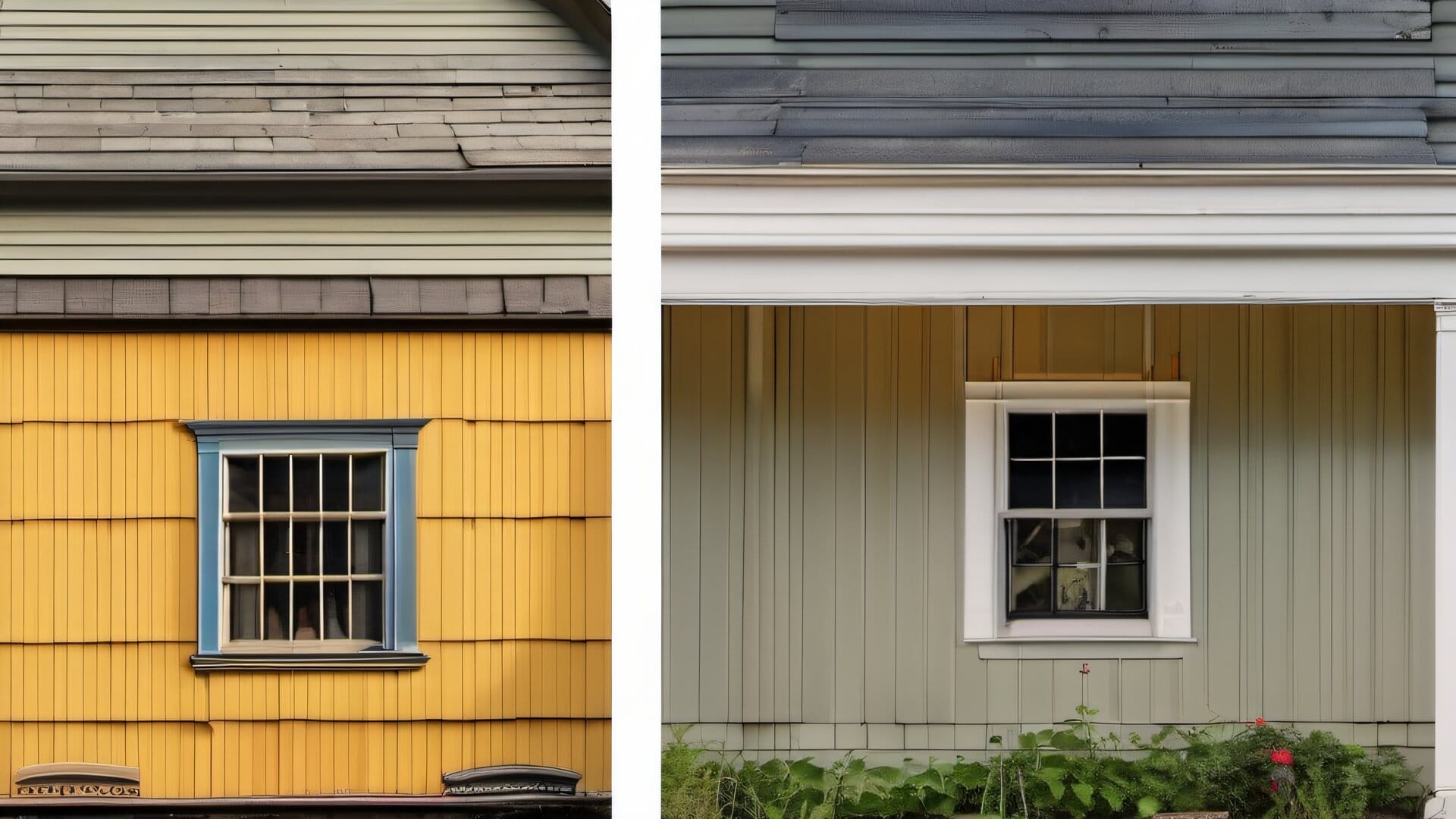
Oil-based (alkyd) paints were the standard for decades, and some homeowners still ask for them. In New England, we don't recommend them for exteriors anymore. Here's why:
- Oil paint becomes brittle over time, especially in cold climates. Once it loses flexibility, freeze-thaw cycles crack it apart.
- It doesn't breathe — moisture gets trapped behind the film, leading to blistering and peeling.
- It yellows over time, especially in shaded areas.
- Massachusetts VOC regulations restrict oil-based paint formulations, and the reformulated versions don't perform as well as the originals.
The one exception: we sometimes use oil-based primer on bare wood or metal before topcoating with acrylic. The primer provides a strong bond to the substrate, and the acrylic topcoat provides the flexibility and weather resistance. For aluminum siding specifically, see our aluminum siding painting guide.
How Long Should Good Paint Last?
On a properly prepped MetroWest home with premium paint:
- Clapboard siding: 10–15 years
- Wood trim: 7–10 years (more UV and moisture exposure)
- Cedar shingles: 8–12 years
- Previously painted aluminum: 10–15 years
The biggest variable isn't the paint — it's the prep work. The best paint in the world won't last on a poorly prepared surface. For the full breakdown, see our post on how long exterior paint lasts in New England.
Color and Paint Performance
One thing homeowners don't always consider: color affects durability. Dark colors absorb more heat, causing the paint film and substrate to expand and contract more aggressively. On wood siding, this can lead to earlier cracking and peeling.
If you want a dark color, use a top-tier paint (Aura or Emerald) — their advanced binder technology handles thermal stress better. And consider limiting dark colors to accent areas like shutters and doors rather than full-body siding.
For color ideas suited to MetroWest architecture, check our 2026 exterior color guide.
Frequently Asked Questions
Is expensive paint worth the extra cost?
Yes, for exteriors in New England. The difference between a $40/gallon paint and an $85/gallon paint is 5–8 years of additional life. Over the lifetime of your home, premium paint saves money by extending the interval between repaints. Our post on the real cost of cheap paint breaks this down.
Can I use interior paint outside?
No. Interior paint lacks the UV stabilizers, mildewcides, and flexible binders that exterior paint needs to survive weather exposure. It will fail within one to two seasons.
How many coats do I need for exterior painting?
Two coats of topcoat over primer is the standard for a lasting job. One coat may look fine initially but won't have the thickness needed for long-term protection. On color changes (especially light to dark or dark to light), you may need a tinted primer plus two topcoats.
Does the paint brand matter more than the painter?
Both matter, but the painter matters more. Premium paint applied over poor prep will fail faster than good paint applied over excellent prep. Start with a contractor who takes prep seriously, and then use the best paint your budget allows.
Questions About Paint for Your Home?
We're happy to talk through paint options for your specific situation — siding type, exposure, color goals, and budget all factor in. Call us at (774) 217-9567 or request a free estimate.
Related Reading
Dave Griffiths
Dave Griffiths is the owner of Paint Pro New England, a professional painting company serving MetroWest Boston since 2011. With 15+ years of interior and exterior painting experience across the region, he leads every project with thorough prep, premium Benjamin Moore and Sherwin-Williams paints, and a 2-year warranty.

