



TL;DR: The clearest signs your home needs repainting are peeling or bubbling paint, fading, cracking or alligatoring, mildew or staining, failed caulk, exposed or rotting wood, and simply age — most exteriors last 5–10 years. Repainting on time (a $4,000–$10,000 job) prevents far costlier wood-rot repairs. Free estimate: (774) 217-9567.
Paint does more than make your home look good - it's a protective barrier against the elements. Knowing when to repaint can prevent costly damage and keep your home looking its best. Here are seven signs that tell you it's time to call a professional painter.
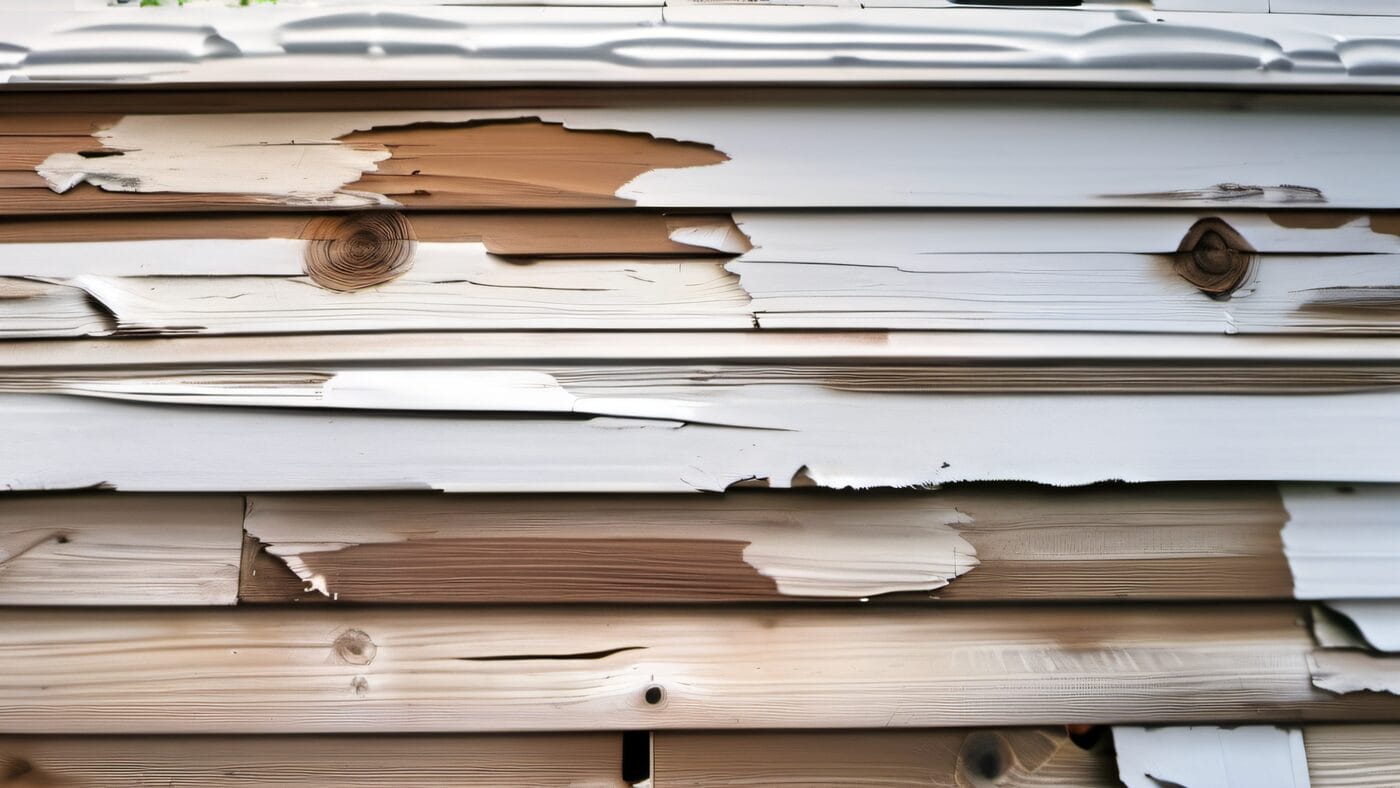
1. Peeling, Flaking, or Bubbling Paint
What You'll See:
- Paint lifting away from the surface
- Curled edges and chips
- Bubbles under the paint film
Why It Matters:
Peeling paint exposes the underlying surface to moisture, UV damage, and pests. On exteriors, this can lead to wood rot. On interiors, it often indicates moisture problems that need addressing.
Common Causes:
- Moisture infiltration
- Poor surface preparation on previous paint job
- Incompatible paint layers
- Age and weathering
What to Do:
Don't just paint over peeling paint - it will fail again quickly. The surface needs proper scraping, sanding, priming, and painting by professionals who can identify and address the underlying cause.
2. Fading and Discoloration
What You'll See:
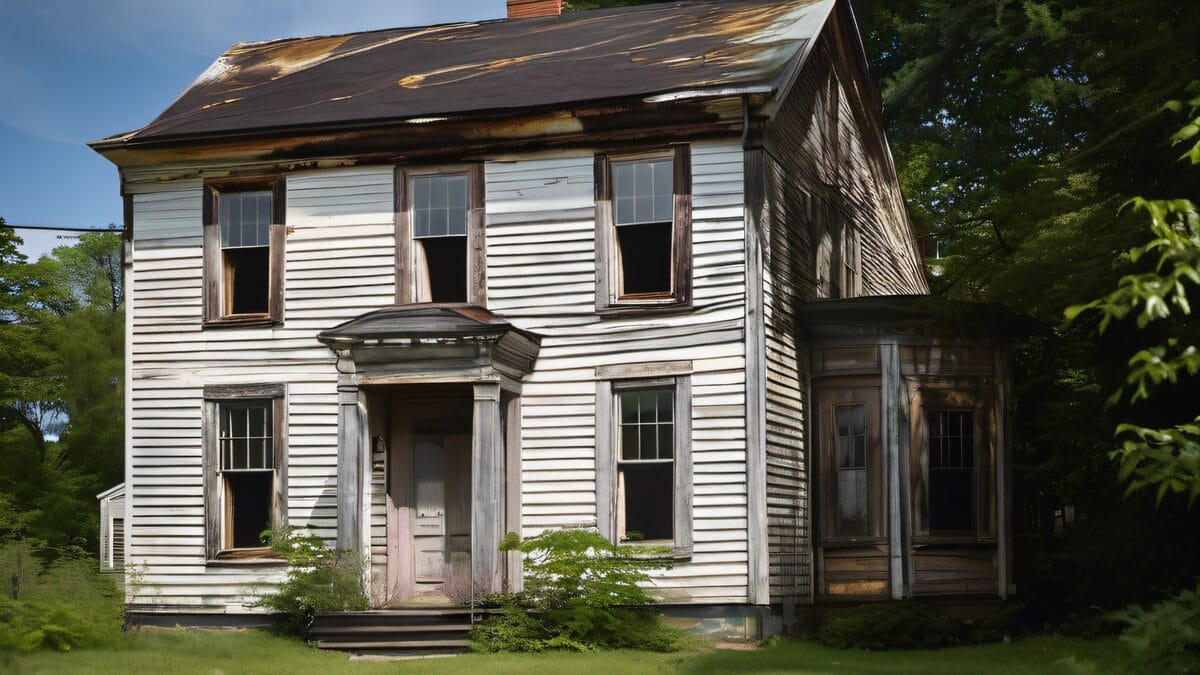
- Significant color change from original
- Uneven fading (especially on sun-exposed walls)
- Chalky residue when you touch the surface
Why It Matters:
Faded paint isn't just an aesthetic issue. The fading indicates UV breakdown of the paint's protective properties. That chalky residue? That's the paint's binders deteriorating.
Most Affected Areas:
- South and west-facing walls
- Areas without shade coverage
- Dark-colored paint (fades faster)
- Horizontal surfaces like deck floors
What to Do:
Plan to repaint before the next painting season. While fading alone isn't urgent, it signals that the paint's protective qualities are diminishing.
3. Cracking or Alligatoring
What You'll See:
- Fine lines that look like spider webs (checking)
- Deep cracks resembling dried mud (alligatoring)
- Pattern cracks covering large areas
Why It Matters:
Cracks allow moisture to penetrate behind the paint, accelerating deterioration. In Massachusetts winters, water in cracks freezes and expands, making the damage worse with each freeze-thaw cycle.
Common Causes:
- Paint applied too thickly
- Painting over unstable substrate
- Natural aging of oil-based paints
- Dramatic temperature fluctuations
What to Do:
Cracking requires prompt attention, especially on exteriors. The surface needs complete scraping, sanding, possible wood repair, proper priming, and new paint.
4. Visible Mold, Mildew, or Staining
What You'll See:
- Black, green, or gray spots
- Fuzzy growth patterns
- Stains that return after cleaning
Why It Matters:
Mold and mildew aren't just unsightly - they can cause health issues and indicate ongoing moisture problems. If left untreated, they can spread to structural elements.
Where to Look:
- North-facing walls (less sun exposure)
- Areas near gutters or downspouts
- Bathroom walls and ceilings
- Behind furniture against exterior walls
- Around windows and doors
What to Do:
First, identify and fix the moisture source. Then clean thoroughly with appropriate mildewcide. Use paint with mold-resistant properties for the new application.
5. Gaps and Caulk Failure
What You'll See:
- Cracks between trim and siding
- Gaps around windows and doors
- Missing or crumbling caulk
- Visible separation at seams
Why It Matters:
Failed caulk allows water, air, and pests into your home. Energy bills increase as conditioned air escapes. Water infiltration can cause hidden damage behind walls.
Critical Areas:
- Window and door frames
- Where different materials meet
- Corner boards and trim
- Around exterior light fixtures
- Where siding meets foundation
What to Do:
Recaulking is typically part of a proper exterior paint job. All old caulk should be removed and replaced with quality, paintable caulk before painting.
6. Wood Rot or Damage
What You'll See:
- Soft, spongy wood when pressed
- Discolored or darkened areas
- Wood that crumbles or flakes
- Visible holes or hollow sounds
Why It Matters:
Rot spreads. What starts as a small damaged area can compromise entire sections of siding, trim, or structural elements if not addressed promptly.
Common Problem Areas:
- Window sills and frames
- Door frames and thresholds
- Trim at ground level
- Fascia and soffits
- Deck boards and railings
What to Do:
Rotted wood must be replaced or repaired with epoxy before painting. Painting over rot doesn't stop it - the rot continues to spread underneath.
7. It's Been 5-10 Years
Interior Paint Lifespan:
- High-traffic areas: 3-5 years
- Bedrooms: 5-7 years
- Ceilings: 7-10 years
Exterior Paint Lifespan:
- Quality job on good surface: 7-10 years
- Budget paint or poor prep: 3-5 years
- Harsh exposure: 5-7 years
Why It Matters:
Even if paint looks okay, its protective properties diminish over time. Proactive repainting prevents the more expensive repairs that come from waiting too long.
The Cost of Waiting
Delaying necessary painting doesn't save money - it costs more in the long run:
| Issue | If Caught Early | If Left Too Long |
|---|---|---|
| Fading | Repaint only | Repaint only |
| Peeling | Scrape, prime, paint | Possible wood repair + paint |
| Cracks | Sand, prime, paint | Strip, repair, prime, paint |
| Rot | Small repair + paint | Major wood replacement + paint |
A paint job that might cost $4,000 today could easily become a $10,000+ project if rot damage spreads over another year or two.
What About Interior Paint?
Interior paint fails differently than exterior:
Signs to Watch For:
- Scuff marks that won't clean
- Stains bleeding through
- Nail pops showing
- Color looking dated or tired
- Walls that never look clean
High-Priority Areas:
- Kitchens (grease and moisture)
- Bathrooms (humidity damage)
- Entryways (heavy wear)
- Kids' rooms (scuffs and marks)
- Hallways (touch marks)
Schedule a Professional Assessment
Not sure if your home needs painting? Paint Pro New England offers free consultations for homeowners throughout MetroWest Boston. We'll honestly assess your situation and let you know if you can wait or if action is needed.
We serve Holliston, Framingham, Natick, Wellesley, Needham, and 18+ communities in Middlesex and Norfolk counties.
Call (774) 217-9567 or request a free estimate for a professional assessment.
Related Reading
- How Long Does Exterior Paint Last in New England?
- What Temperature Is Too Cold to Paint Outside?
- How Much Does House Painting Cost in Massachusetts? (2025-2026...
- Painters in Holliston, MA — Interior, Exterior & Cabinet Refin...
Once you've spotted the signs, our spring painting checklist for MetroWest Boston homes covers what to look for on a full exterior walkthrough and when you can actually start painting.
Property owners managing rentals will find our rental property painting planning guide useful — it covers when to repaint versus wait, and what you can and can't charge tenants for.
Paint Pro New England provides professional interior and exterior painting services throughout MetroWest Boston. Fully insured with a 2-year warranty on all work.
Frequently Asked Questions
How often should you repaint a house exterior?
Most New England exteriors need repainting every 5–10 years, sooner for south- and west-facing walls that take the most sun and weather.
What are the signs a house needs repainting?
Peeling, flaking, or bubbling paint; fading or discoloration; cracking or alligatoring; mildew or staining; failed caulk; and exposed or rotting wood.
Is it cheaper to repaint before the old paint fails?
Yes. Repainting on schedule is a $4,000–$10,000 job; waiting until bare wood is exposed adds carpentry and rot repair that can cost far more.
Dave Griffiths
Dave Griffiths is the owner of Paint Pro New England, a professional painting company serving MetroWest Boston since 2011. With 15+ years of interior and exterior painting experience across the region, he leads every project with thorough prep, premium Benjamin Moore and Sherwin-Williams paints, and a 2-year warranty.

